
Paraimpu: Bridging Social Networks and the Physical Web of Things
Paraimpu: a platform for a social web of things
Paraimpu is a social Web of Things (WoT) platform that provides a scalable, REST-based architecture for interconnecting physical objects and virtual services. By abstracting heterogeneous entities into "Sensors" and "Actuators," it enables users to create complex mashups and share device access through a social-network-inspired interface.
TL;DR
Paraimpu is a pioneering platform designed to transform the Internet of Things into a Social Web of Things. It allows users to add, interconnect, and share both physical devices (like Arduino) and virtual services (like Facebook) using simple RESTful abstractions. By treating every "thing" as either a data producer (Sensor) or consumer (Actuator), it simplifies complex automation through a web-based mashup editor.
Background: Beyond Simple Connectivity
In the early 2010s, the "Web of Things" (WoT) emerged as a way to use standard web protocols (HTTP) to interact with smart objects. However, two major hurdles remained: Heterogeneity (devices don't speak the same data language) and Isolation (devices are locked to single users). Paraimpu was built to solve these by applying social networking paradigms to hardware.
The Core Insight: Sensors, Actuators, and Social Links
The genius of Paraimpu lies in its aggressive abstraction. Instead of worrying about specific hardware drivers, it classifies everything into two categories:
- Sensors: Data producers (e.g., a temperature sensor, a Foursquare check-in, or a Twitter search).
- Actuators: Data consumers (e.g., a smart LED, a Google Calendar, or a Facebook wall).
To bridge the gap between a sensor sending JSON and an actuator expecting plain text, Paraimpu introduced a JavaScript-based Rule Engine. This allows users to write simple "If-Then" logic to filter and transform data on the fly.
 Figure 1: The Paraimpu ecosystem where physical and virtual objects are harmonized through a central social hub.
Methodology & Scalability
The authors recognized that a "Social WoT" would eventually need to support billions of objects. To handle this, they implemented a stack designed for high concurrency:
- Tornado Web Server: A non-blocking server designed to solve the C10K problem (handling 10,000 concurrent connections).
- MongoDB: A schema-free database that allows for easy sharding and horizontal scaling.
- RESTful API: Every interaction is modeled as a resource, making the system inherently compatible with existing web infrastructure.
Real-World Impact: From Healthcare to Urban Art
The paper highlights two compelling use cases:
- Ambient Assisted Living: A medicine box (sensor) notifies a smart rabbit (Karotz) to light up when it's time for an elderly patient to take a pill. Once the pill is taken, the system automatically tweets to the family, providing peace of mind.
- Tlight: A social urban lighting project at the T Hotel in Cagliari. By tweeting specific hashtags, the public could change the color of the hotel tower's RGB lights in real-time.
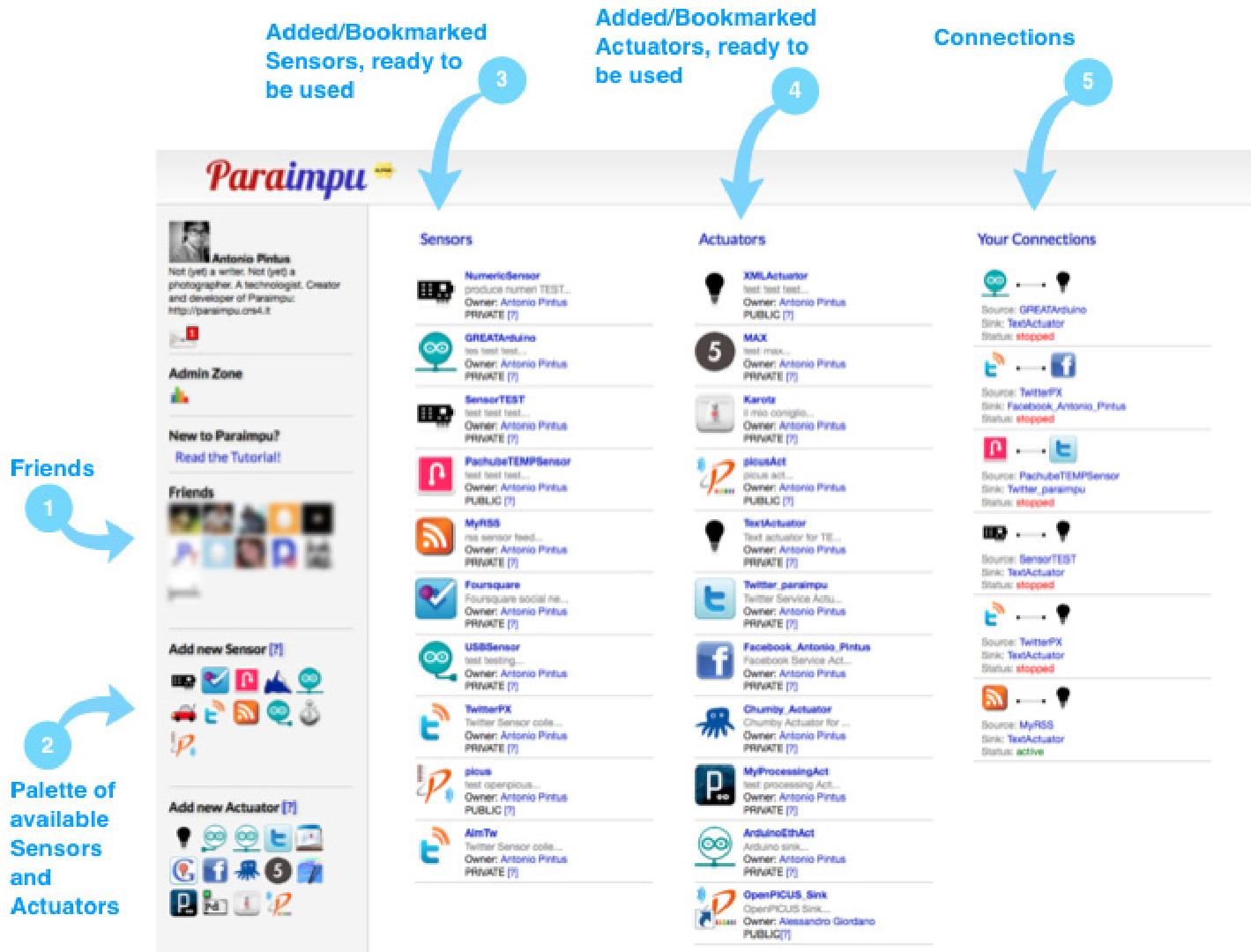 Figure 2: The GUI for creating connections, showcasing the intuitive drag-and-drop logic for data transformation.
Critical Insight & Future Outlook
Paraimpu was ahead of its time by recognizing that sharing is as important as connecting. While many modern IoT platforms (like IFTTT) have adopted similar "Applet" styles, Paraimpu’s emphasis on "Social Visibility" (Private vs. Public vs. Moderated things) offered a more granular approach to collaborative hardware.
Limitations: The primary bottleneck of such a system is its centralized nature; if the Paraimpu server goes down, the connections break. Furthermore, handling complex binary data (video/audio) through a pure REST/JSON intermediary remains a challenge.
Conclusion
Paraimpu successfully demonstrated that the Web of Things doesn't have to be a playground for engineers only. By leveraging social web patterns and robust abstractions, it paved the way for a more participative, interconnected world where my "sensor" can safely talk to your "actuator."