
The Nexus of Influence: Scaling Deep Learning for Real-Time Social Network Analysis
Parallel Computing for Machine Learning in Social Network Analysis
This paper explores the convergence of Deep Learning, Network Science, and Parallel Computing to address large-scale Social Network Analysis (SNA). It identifies a roadmap toward "3rd Generation" SNA, characterized by real-time, simultaneous machine learning of both individual agent behaviors and global network structures using high-performance parallel architectures.
TL;DR
The integration of ubiquitous social media, network science, and parallel computing is birthing a new era of "3rd Generation" Social Network Analysis. This shift moves us from offline, static modeling to real-time, simultaneous learning of individual behaviors and global network structures, powered by massive GPU clusters and specialized parallel algorithms.
Problem & Motivation: The Velocity of the Human Graph
Social Network Analysis (SNA) is no longer a small-scale sociological exercise. With Facebook alone hosting over 1.86 billion monthly users (as of the paper's data), the sheer volume of edges—estimated at 630 billion—renders traditional, single-node analysis impossible.
The primary limitation of 1st and 2nd Generation approaches is their "offline" nature. 1st Gen techniques analyzed agents and structures separately, while 2nd Gen modeled them together but in batch mode. The industry's "Holy Grail" is the 3rd Generation: a system that ingests millions of comments, image uploads, and likes per minute to update behavioral models and connectivity patterns dynamically and online.
Methodology: Achieving 3rd Generation Convergence
The author argues that the path to real-time SNA lies in the fusion of four maturing trends:
- Network Science: Using graph theory to handle asymptotic properties of massive networks.
- Deep Learning: Utilizing deep neural networks to extract high-level features from noisy social data (images, text, behavioral patterns).
- Parallel Computing: Moving beyond CPUs to GPUs and specialized cloud architectures.
Architectural Evolution
The transition from batch to online modeling requires a fundamental shift in how we handle data:
- Node-Level Learning: Deep learning models act as "automata" that simulate individual agent logic.
- Edge-Level Learning: Simultaneously learning the probability of link formation (Link Prediction) in real-time.
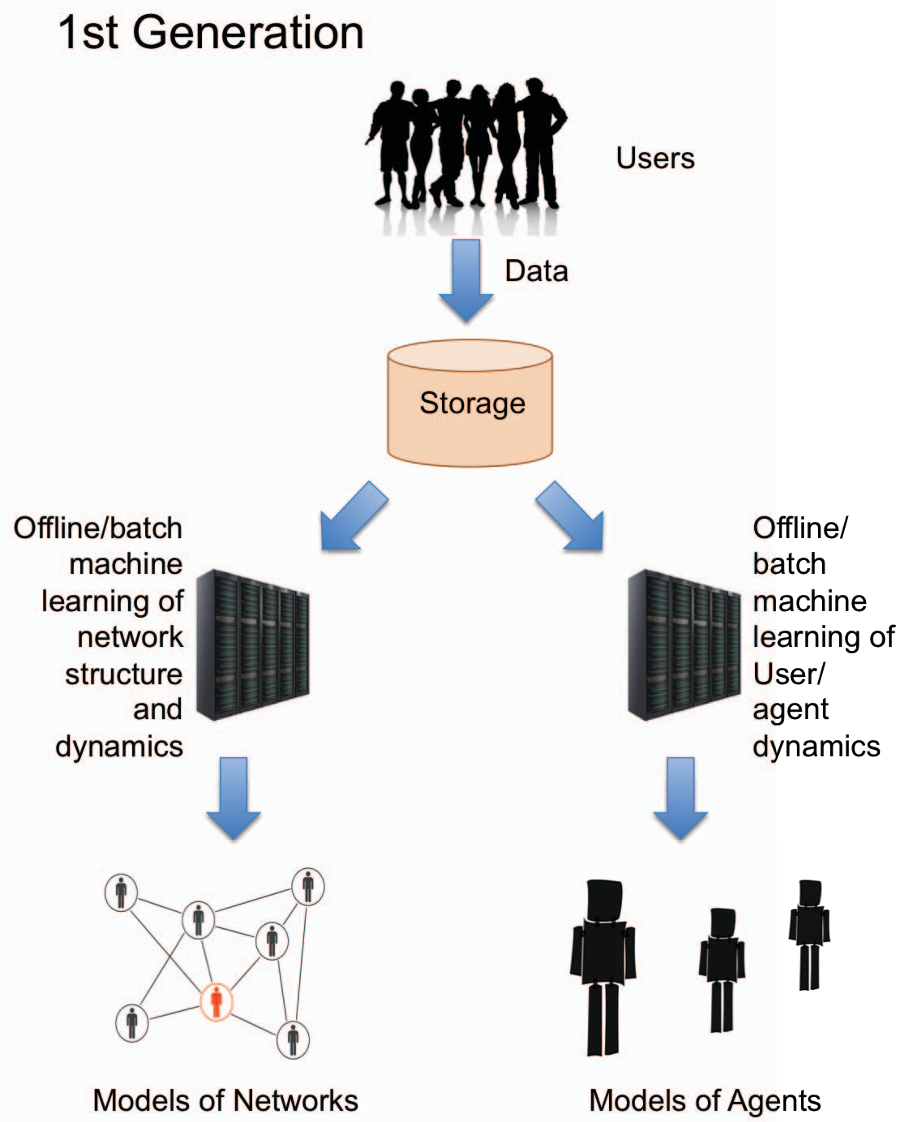 Figure 1: 1st Generation - Separate analysis of agents and structures.
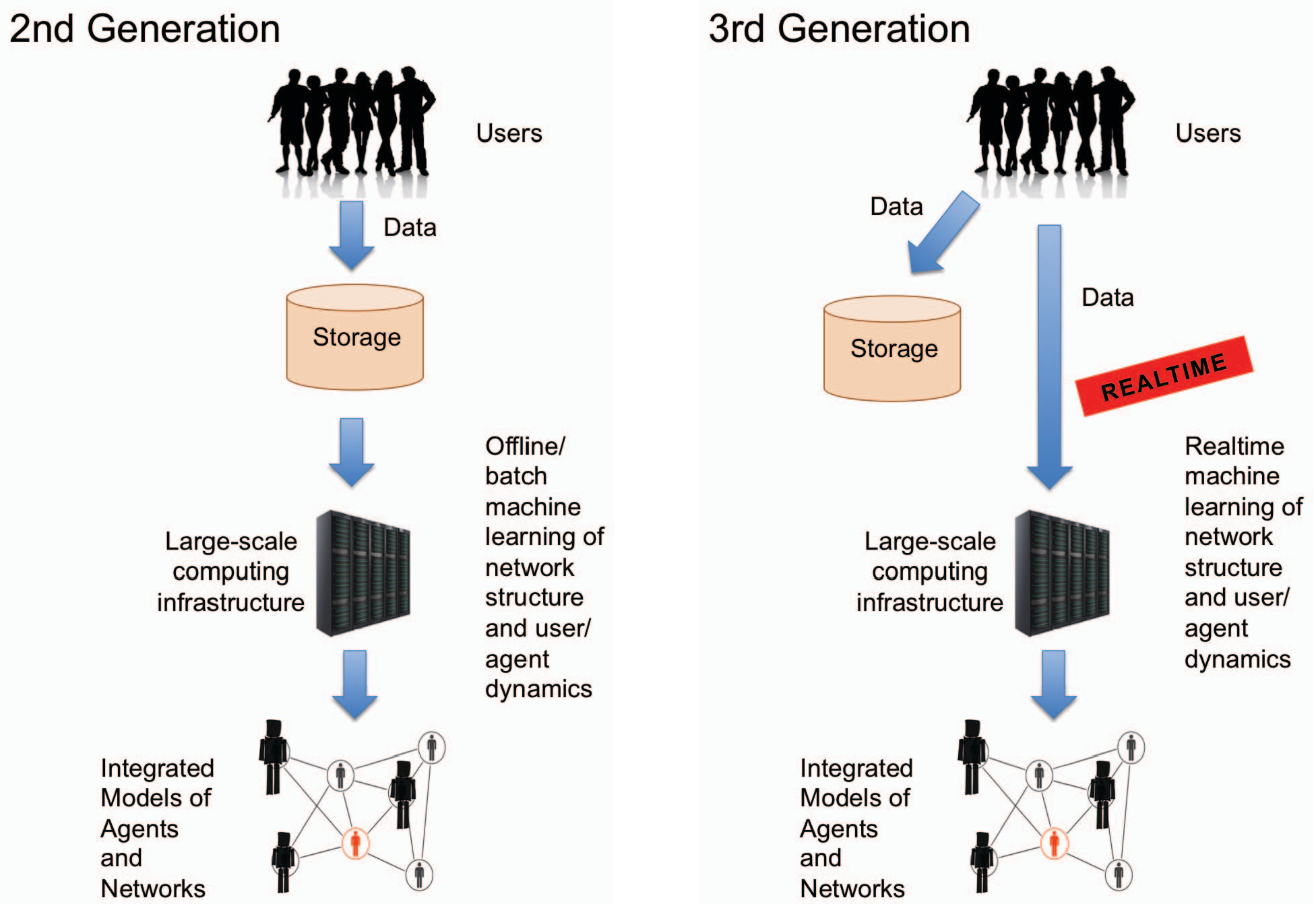 Figure 2: 2nd Generation - Combined modeling, but restricted to offline batch processing.
Experiments & Results: The Power of Parallelism
The paper cites critical performance data demonstrating that parallelization isn't just an optimization—it's a requirement.
- GPU Dominance: In benchmarks using the Theano library, GPU implementations processed roughly 38k data entries per second compared to just 6.5k on CPUs, representing a nearly 6x speedup.
- Scale of Operation: Training a model with 38 million parameters can take 3 days on a single GPU. At the scale of a global social network, this necessitates thousands of machines working in concert.
- Data Throughput: With 510,000 comments and 293,000 status updates per minute, the "ingestion" layer of future 3rd Generation systems must operate at a scale traditionally reserved for high-frequency trading or experimental physics.
| Implementation | CPU vs GPU | Data processed per second |
|---|---|---|
| Theano | GPU | 38,310 |
| Theano | CPU | 6,573 |
| Matlab/GPUmat | GPU | 5,864 |
Critical Insight & Future Outlook
The "3rd Generation" of Social Network Analysis faces a significant barrier: the Resource Gap. Because of the extreme data and computing requirements, these advanced implementations may remain locked within a few commercial giants (Meta, Google) or government entities, creating a research silo.
Key Takeaways:
- Dynamic Adaptability: Models must move from "training-then-inference" to a "continuous loop" of learning.
- Load Balancing: Traditional scientific computing (dense matrices) differs from SNA (sparse, irregular graphs). Future parallel architectures must optimize for the high-frequency communication patterns between cores that represent "friends" in a social graph.
The future of parallel computing will be defined by its ability to assimilate human behavior at the speed of thought, turning static social snapshots into living, breathing digital twins of society.