
Beyond the Screen: Decoding Social Media Dynamics Among Kuwaiti Students
Perception and Use of Social Networking Sites among Undergraduate Students in Kuwait
This study investigates the perception and behavior of 300 undergraduate students in Kuwait regarding Social Networking Sites (SNS). Using a quantitative survey methodology, the research identifies Twitter (89% penetration) and Facebook (55%) as the dominant platforms, primarily used for entertainment and social connectivity.
TL;DR
While Kuwait leads the Arab region in Twitter penetration, undergraduate students exhibit a complex "dual-persona" in their digital lives. This research uncovers a landscape where students are hyper-connected yet largely passive, utilizing SNS primarily for entertainment and family bonding while simultaneously struggling with academic distraction and significant privacy vulnerabilities.
Contextual Positioning
In the global research map of Social Networking Sites (SNS), the Middle East has often been a "terra incognita" compared to the saturated studies of Western populations. This paper serves as a foundational demographic and behavioral audit, situating Kuwaiti students within the global digital ecosystem not just as consumers, but as a demographic balancing traditional social values with modern digital openness.
The "Passive Participant" Motivation
The overarching motivation for this study was to move beyond the "Arab Spring" narrative that hyper-politicized Middle Eastern social media use. The author sought to understand the "everyday" digital life of a student. The research reveals a striking insight: consumption outpaces contribution.
- The Consumption Bias: 74% of students check their feeds multiple times a day, but less than half (47%) engage in active posting.
- The Entertainment Trap: 70% of use is dedicated to entertainment, suggesting that for the Kuwaiti undergraduate, SNS is a digital "Third Space" for leisure rather than a professional or academic tool.
Methodology and Demographics
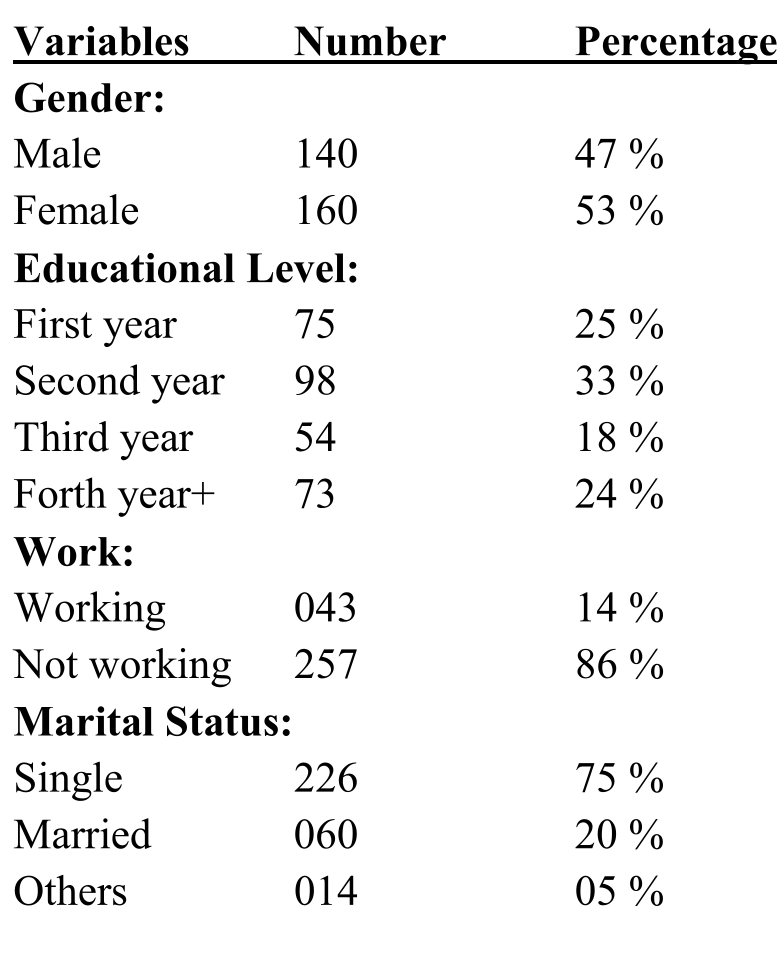
The study surveyed 300 students, providing a representative snapshot across various years of study. A unique aspect of the methodology was the bilingual approach, ensuring that students from Arabic-instructed colleges (Arts, Education) were equally represented.
Student Profile Breakdown
Core Findings: The Twitter Dominance
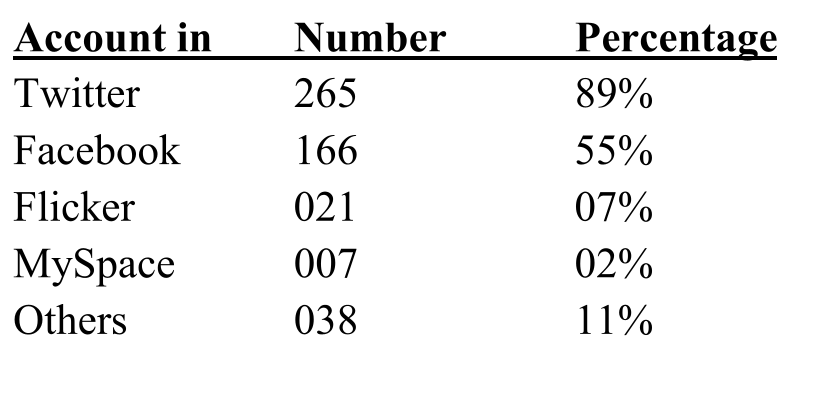
Unlike the global trend where Facebook dominates, Kuwaiti students showed a fierce preference for Twitter.
- Twitter: 89% adoption.
- Facebook: 55% adoption.
- The Privacy Gap: Perhaps the most alarming finding is that 70% of students have public, uncontrolled accounts. Despite the cultural emphasis on privacy in the physical world, a "Privacy Paradox" exists in the digital realm where students leave their profiles open to the world.
Platform Involvement
The Impact: Positive vs. Negative
The study categorizes the dual nature of social media influence.
The Two Sides of the Digital Coin
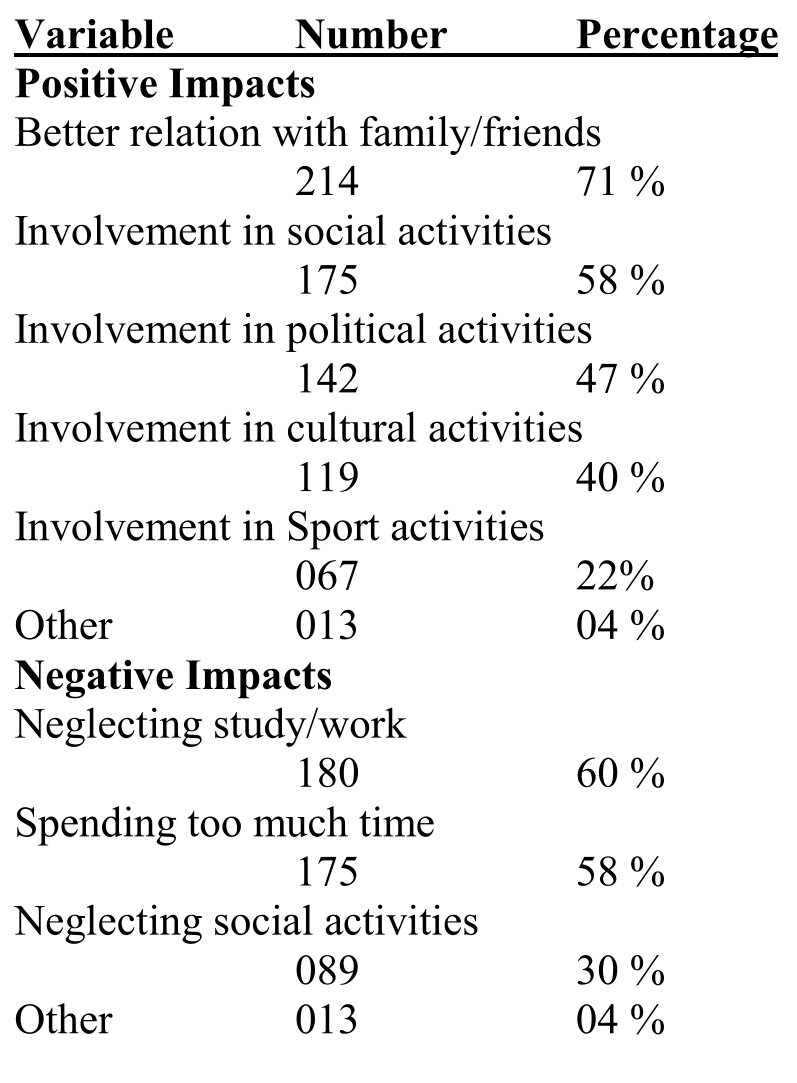
- The Positive: 71% of students utilized SNS to strengthen ties with family and friends. In a culture where family kinship is central, SNS has become a modern tool for maintaining the "Diwaniya" spirit (traditional social gatherings) online.
- The Negative: 60% admit to neglecting studies. This suggests that the "rich information" environment of SNS often turns into "informational noise" that disrupts academic focus.
Critical Analysis & Conclusion
This paper serves as a wake-up call for educational institutions in Kuwait. The "passive consumption" and "public privacy settings" indicate a lack of Digital Citizenship education.
Takeaway for the Future: The transition from entertainment-based usage to value-driven, professional usage is missing. Future research and university curricula should focus on:
- Privacy Ergonomics: Teaching students the long-term implications of public digital footprints.
- Productive Contribution: Encouraging students to move from "lurkers" to "thought leaders" in their respective fields (Arts, Politics, Science) via social platforms.
While the paper successfully maps "what" is happening, the "why" regarding the lack of privacy settings—despite cultural conservative norms—remains a fascinating area for future sociolinguistic and psychological inquiry.