
The Digital Lifecycle: Building a Sustainable Future for Cultural Heritage
Permission to make digital or hard copies of part or all of this work for personal or classroom use is granted without fee provided that copies are not made or distributed for profit or commercial advantage and that copies bear this notice and the full citation on the first page. Copyrights for third-party components of this work must be honored. For all other uses, contact the Owner/Author
This keynote paper outlines a comprehensive Digital Lifecycle Program (DLP) for the sustainable preservation of cultural heritage and digital scholarship. Using the "Digital Dunhuang" project as a primary case study, it establishes a framework for integrating data curation, long-term storage, and cross-disciplinary access.
TL;DR
In his JCDL '20 keynote, Peter Zhou (UC Berkeley) argues that the survival of our digital culture depends on a rigorous Digital Lifecycle Program (DLP). By mapping the permanence of print scholarship onto digital workflows—specifically through the lens of the Digital Dunhuang project—Zhou provides a blueprint for turning fragile digital data into enduring historical repositories.
Contextualizing the Digital Fragility
For centuries, the "Print Lifecycle" has successfully preserved human knowledge through a stable chain of custody: physical curation, cataloging, and archived storage. However, in the digital realm, we face a paradox: while data is easily replicated, it is deceptively easy to lose.
Existing methods often treat digital preservation as a simple backup task rather than a continuous process. Zhou identifies that without a systematic integration of data mining, metadata interpretation, and migration protocols, digital scholarship risks obsolescence within decades—a stark contrast to the centuries-long lifespan of paper.
Methodology: The Five Pillars of the Digital Lifecycle
The core of Zhou’s proposal is the Digital Lifecycle Program (DLP). This isn't just about "saving files"; it is a holistic architecture for digital existence.
1. Creation and Curation
This phase involves selection, data mining, and high-fidelity conversion. For projects like the Mogao Caves (Dunhuang), this means capturing cultural assets with extreme precision to ensure the digital surrogate is a valid scholarly object.
2. Organization and Integration
Data must be aggregated and linked. Discrete digital objects are of limited value unless they are integrated into a broader scholarly context through analysis and linking.
3. Interpretation (The Metadata Layer)
Metadata and cataloging are the "connective tissue." They ensure that a digital asset can be discovered and understood by researchers across different domains.
4. Preservation Logic
Borrowing from the Library of Congress models, this involves:
- Data Storage & Duplication: Maintaining multiple copies.
- Checksum & Repair: Proactively detecting bit rot.
- Migration: Planning for the inevitable shift in file formats.
5. Access and Publishing
A repository is only sustainable if it is used. Effective navigation, discovery, and robust rights management (Open Access) are essential for fostering "cross-disciplinary research."
 Figure 1: The institutional framework supporting the Digital Lifecycle research.
Case Study: Digital Dunhuang
The gold standard for this methodology is the Digital Dunhuang project. With the support of the Mellon Foundation, the Dunhuang Academy transformed the preservation of the Mogao Caves into a permanent repository ecosystem.
The breakthrough here was the shift from past-focused archiving to future-integrated repository management. By creating a system that incorporates content created in the past, present, and future into a single repository, the project ensures "perpetual preservation."
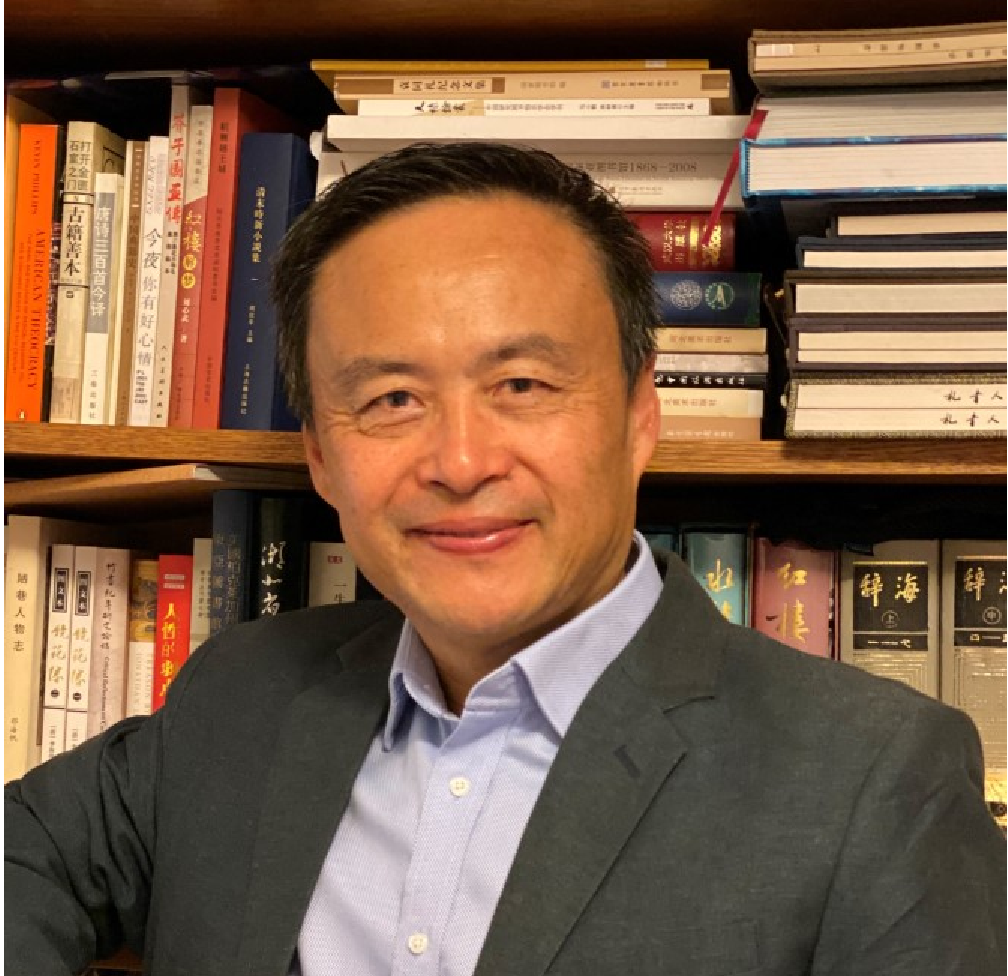 Figure 2: Scholarly context and authorship background supporting the preservation framework.
Critical Insight: The Shifting Role of the Librarian
Zhou’s most profound observation is that technology alone won't solve the sustainability crisis. Institutional roles must evolve. Librarians are no longer just "keepers of books" but are becoming Digital Asset Managers and Data Stewards. They are now the architects of the lifecycle, managing rights, ensuring open access, and navigating the complexities of digital innovation.
Conclusion & Future Outlook
The "Digital Lifecycle" provides a necessary structured approach to the chaos of digital proliferation. While the paper focuses on cultural heritage, the implications for Digital Scholarship as a whole are significant:
- Takeaway: Preservation is a process, not a state.
- Limitation: The paper acknowledges that long-term funding (like the Mellon Foundation's role) remains a critical hurdle for smaller-scale projects.
- Future Direction: We can expect future iterations of the DLP to involve AI-augmented metadata and automated blockchain-based rights management to further automate the "sustainable infrastructure" Zhou envisions.