
AI Chatbots in the Math Classroom: Reforming Problem-Solving via Personalized Scaffolding
Personalized mathematics teaching with the support of AI chatbots to improve mathematical problem-solving competence for high school students in Vietnam
This paper proposes a comprehensive theoretical framework for integrating AI chatbots into high school mathematics education in Vietnam. The study develops a personalized interactive teaching model that leverages Natural Language Processing (NLP) and Automatic Speech Recognition (ASR) to enhance students' mathematical problem-solving competence and aligns with Vietnam's 2018 General Education Program.
TL;DR
This study presents a pioneering theoretical framework for Vietnam's high school math curriculum, utilizing AI Chatbots to provide personalized, real-time feedback. By moving beyond traditional rote learning, the model emphasizes Prompt Generation and Adaptive Learning Pathways to build core mathematical competencies in a digitally transforming educational landscape.
Problem & Motivation: The "One-Size-Fits-All" Bottleneck
Despite the global shift toward competency-based education, many mathematics classrooms—particularly in Vietnam—struggle with high teacher-student ratios and a lack of individualized attention. Traditional methods often fail to bridge the gap between abstract theory and real-world application.
The authors identify a critical missing link: while AI tools are available, there is no rigorous pedagogical framework to ensure they are used to foster Constructivist Learning (where students actively build knowledge) rather than just providing "easy answers."
Methodology: The Architecture of Intelligent Tutoring
The paper introduces a two-pronged technical and pedagogical approach.
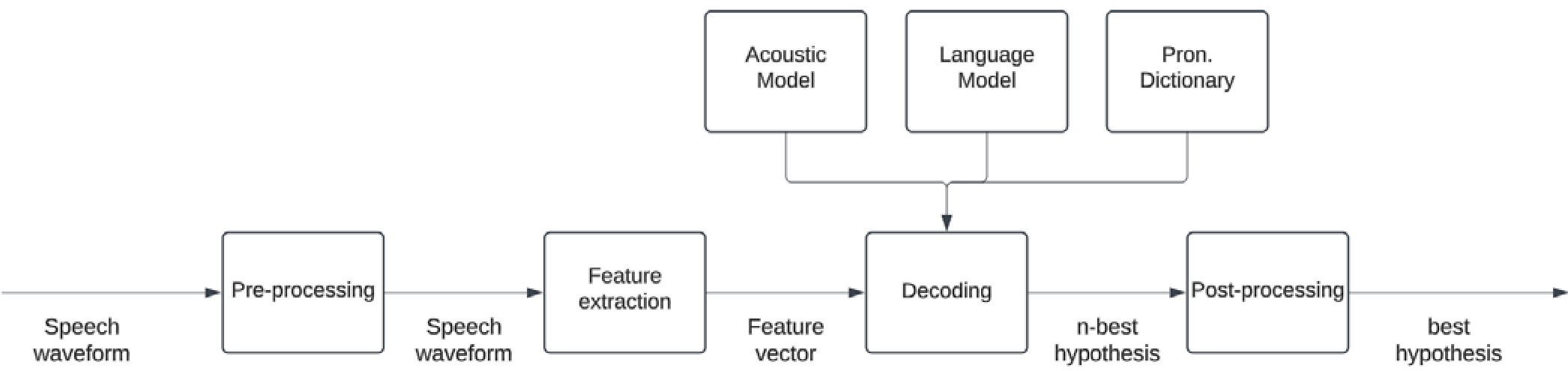
1. The Interaction Engine (ASR & NLP)
To make AI accessible, the model incorporates an Automatic Speech Recognition (ASR) process, allowing students to interact via voice. This is crucial for students who may find it easier to articulate mathematical logic verbally before formalizing it in writing.
2. The Personalized Teaching Model
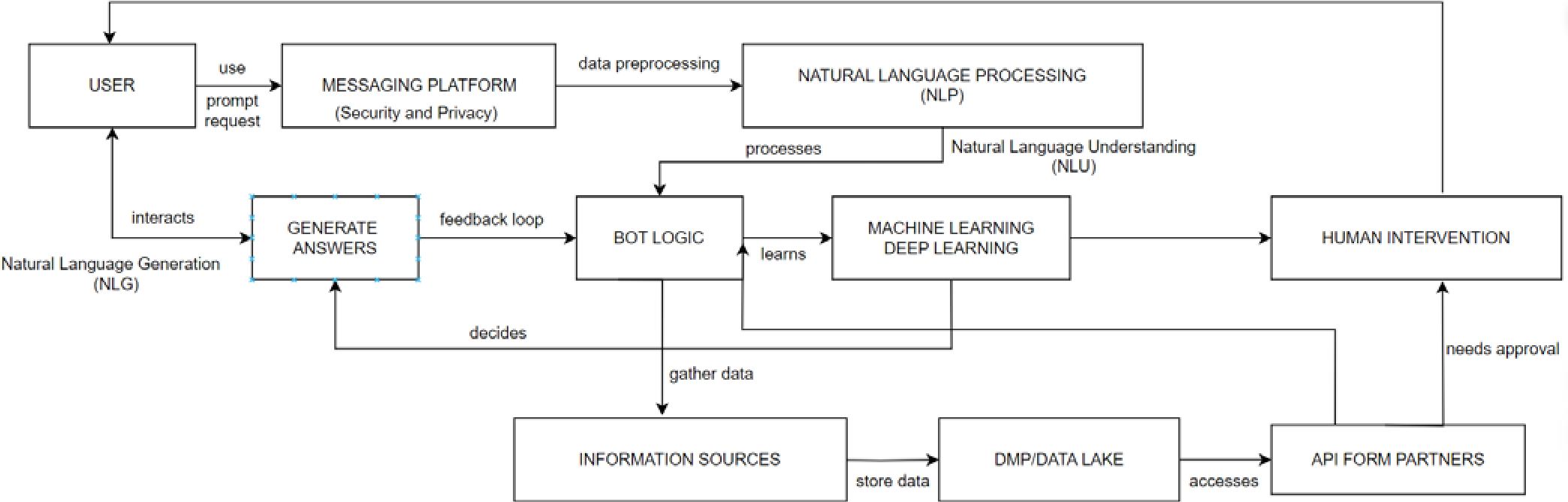
The core innovation is a 12-step closed-loop process. Key stages include:
- Prompt Generation: Teaching students to formulate precise questions (e.g., "How do I apply the quadratic formula to ?" instead of "Help me with math").
- Analytical Problem Resolution: Breaking down complex scenarios into manageable sub-tasks.
- Personalized Feedback Loops: Using a Data Management Platform (DMP) to adjust the difficulty of tasks in real-time based on student performance.
Deep Dive: Why Prompt Generation Matters
The study argues that the quality of AI support is a direct function of the Instructional Prompt. In a math context, this forces students to:
- Identify Key Variables: What do I know?
- Define Objectives: What am I solving for?
- Reflect on Errors: Why did the previous step fail?
This iterative refinement of prompts isn't just a technical necessity; it is a Metacognitive Activity that mirrors the steps of professional mathematical inquiry.
Experimental Insight & Framework Effectiveness
The theoretical framework aligns AI capabilities (24/7 availability, instant error correction) with the 2018 Vietnamese General Education Curriculum.
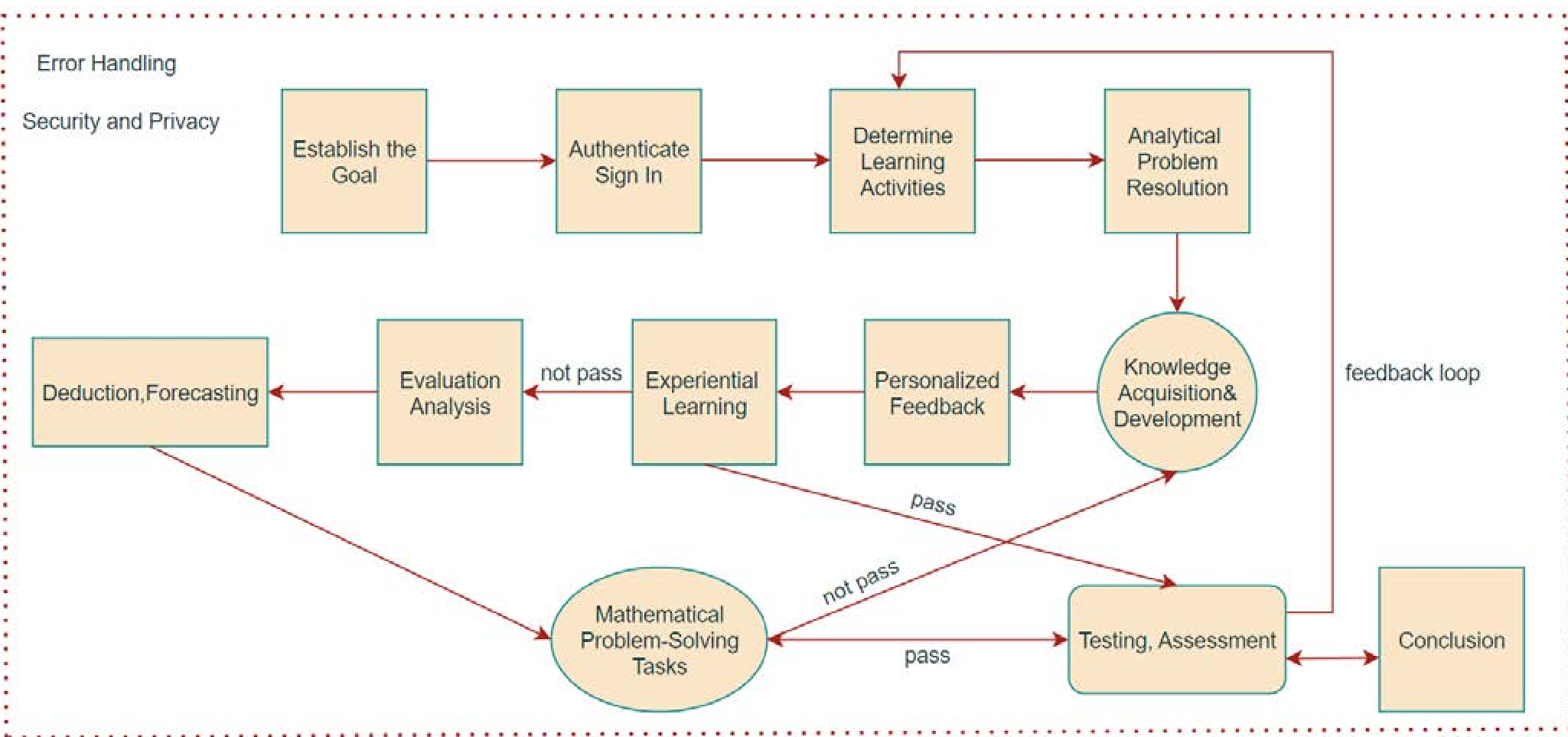
By integrating a "Feedback Loop" from testing back to learning activities, the model ensures that no student is left behind. If a student fails a "Mathematical Problem-Solving Task" (Step 12), the system routes them back to "Evaluation Analysis" (Step 10) to identify specific misconceptions.
Critical Analysis & Conclusion
Takeaway
The paper successfully demonstrates that AI chatbots can serve as a "Force Multiplier" for teachers. By automating routine feedback and basic knowledge formation, teachers can focus on higher-order instructional tasks.
Limitations
- Digital Divide: The model assumes high-speed internet and device access, which remains a challenge in mountainous and remote areas of Vietnam.
- Human Element: The "Acceptance" factor—both from teachers fearing replacement and students using AI for academic dishonesty—requires further quantitative study.
Future Outlook
The move toward AI-driven Pedagogy is inevitable. This research provides the necessary "User Manual" for integrating these tools into the specific cultural and curricular context of Southeast Asian education, paving the way for a generation of "Global Citizens" equipped with both mathematical and AI literacy.