
ANNI: Bridging the Silver Digital Divide through Personalized Mobile Skins
Personalizing health-related ICT interface and application: older adults and elderly caregivers preferences
The paper presents ANNI, a personalized Android "skin" and mobile application designed to improve digital inclusion for older adults and their caregivers. By integrating health monitoring and social networking into a user-centered interface, it achieved high levels of interest across multiple user groups, specifically addressing the "usability gap" in health-related ICT.
TL;DR
While digitalization accelerates, older adults are often left behind due to "interface friction." This paper introduces ANNI, a specialized Android skin that consolidates health tracking, social media, and reminders into a simplified, high-accessibility environment. By focusing on the needs of both the elderly and their caregivers, the researchers demonstrate that consolidation and UI personalization are the keys to long-term adoption.
Background: The Paradox of Usefulness
For many seniors, technology is a "double-edged sword." It offers a cure for social isolation and a tool for health management, yet the perceived complexity often outweighs the perceived benefits. The authors note that older adults are "benefit-driven": they will endure the learning curve only if the utility is crystal clear.
Current app marketplaces are not built for this demographic. Most health apps are standalone, forcing a senior—who may already struggle with navigation—to jump between different UIs for medication, messaging, and news.
Methodology: The Caregiver Triad
Unlike many studies that focus solely on the end-user, this research looks at the Triad of Care:
- Older Users (OU): Independent seniors seeking autonomy.
- Informal Caregivers (IC): Family members managing the care of dependents.
- Formal Caregivers (FC): Health professionals (doctors, physical therapists).
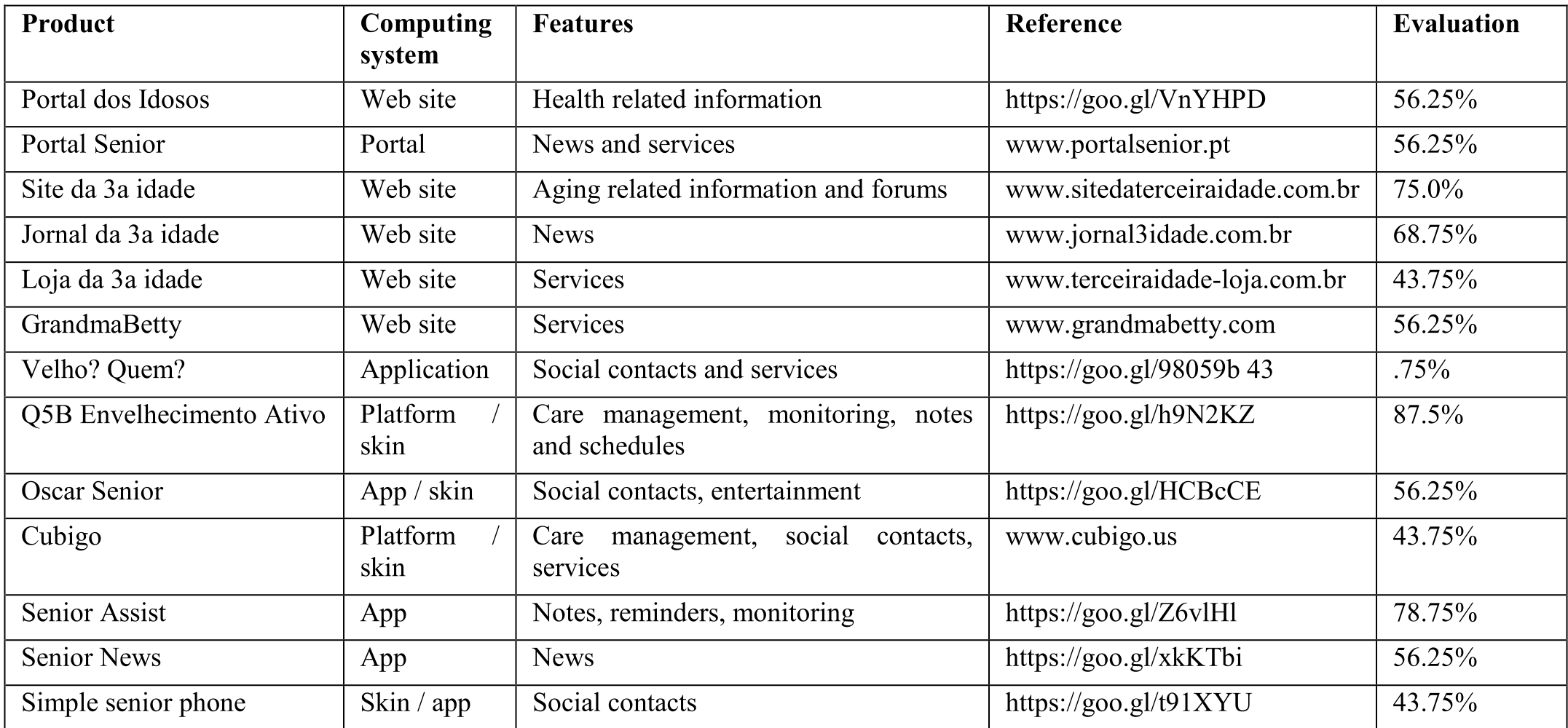
The team evaluated existing products like "Oscar Senior" and "Cubigo" against 8 accessibility criteria, finding significant gaps in font sizing, information overload, and space between clickable elements.
The Core Innovation: The ANNI Interface
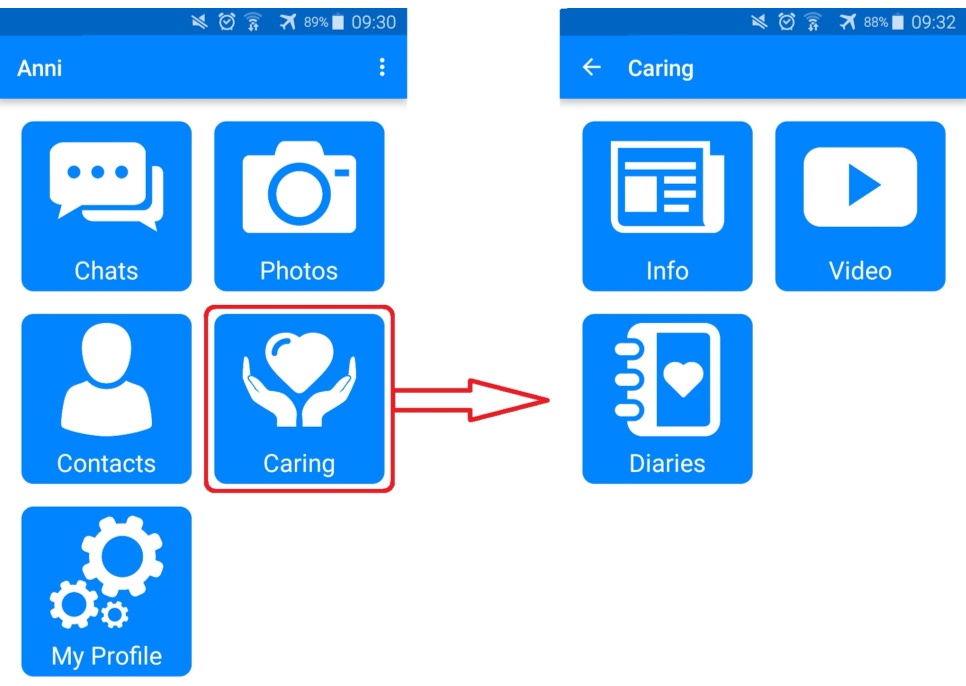
The researchers moved beyond simple apps to create a Skin (Launcher). This "wraps" the phone’s OS to provide a consistent, simplified experience.
Key Design Choices:
- Consolidation: Instead of 18 separate apps, features are categorized into four intuitively named domains: Health, Social, Entertainment, and Notes.
- Visual Accessibility: Use of blue shades (known to be more distinguishable for aging eyes), larger fonts, and icon-driven navigation.
- The "Care Diary": A shared feature where caregivers can log vitals or medication, which syncs immediately across the triad.
Experimental Insights & Results
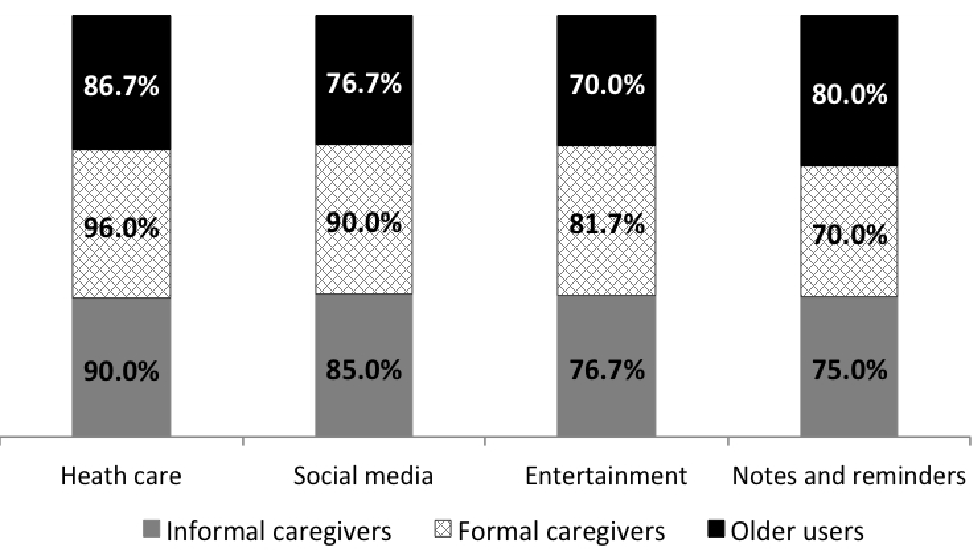
The study found a surprising consensus among the three groups. While it was expected that caregivers would prioritize health, older users also showed high interest in health records (93%) and emergency monitoring (93%).
- Social Connectivity: The most popular social feature was not "general networking" but the ability to "call a person by touching their photo," reducing the cognitive load of searching through contact lists.
- Entertainment vs. Utility: While the elderly valued games and news, the highest demand was for "Reminders" (e.g., medication alarms) and "Health Assistance."
Critical Analysis & Conclusion
This work highlights a shift from "Generic UX" to "Specific UI." The real value of ANNI isn't just a bigger font—it’s the reduction of "Application Fragmentation."
Takeaways for Modern Tech:
- Inclusive Design is not just for the User: By designing for the caregiver, you ensure the older adult has a supportive ecosystem to help them use the tool.
- The Power of the Skin: Operating systems like Android should offer "Senior Modes" natively that mimic the consolidated skin approach seen here.
Limitations: The study is limited by its small sample size (35) and geographical focus in Brazil. Future iterations would benefit from automated health indicators—where the "Diary" automatically warns a doctor if weight or vitals fluctuate dangerously.
ANNI is currently available in beta on the Google Play Store, representing a significant step toward making the digital world a more hospitable place for the "Silver Generation."