
PEP: Empowering Underprivileged Children Through Persuasive Educational Platforms
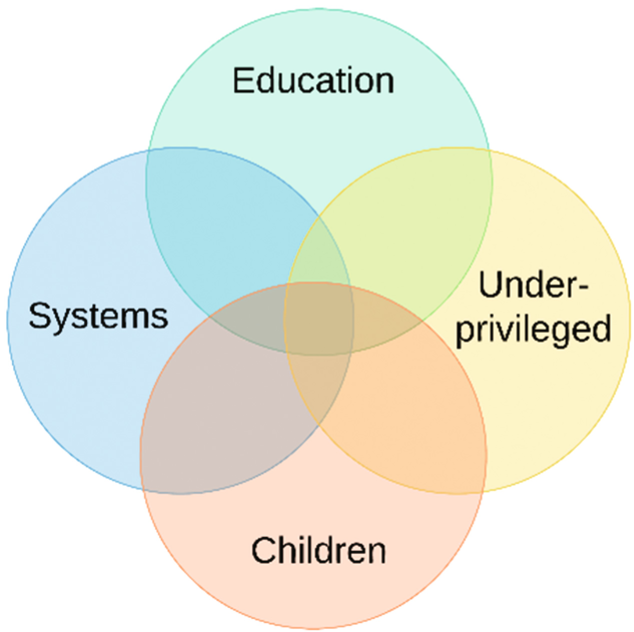
Persuasive Educational Platform Design for Underprivileged Children
The paper introduces the Persuasive Educational Platform (PEP), an integrated software ecosystem designed to provide quality vocabulary education to underprivileged preschoolers. Leveraging the "Save Lingo" framework, it connects parents, teachers, and children through a Service-Oriented Architecture (SOA) that emphasizes social interaction and gamified learning.
TL;DR
Access to quality early childhood education is a fundamental human right, yet millions are left behind due to poverty and isolation. This paper proposes the Persuasive Educational Platform (PEP), a mobile-first, socially integrated system that transforms vocabulary learning from a passive activity into an active, multimodal experience. By connecting parents, teachers, and children, PEP bridges the gap between high-tech educational tools and the specific constraints of underprivileged communities.
Problem & Motivation: The Digital Divide in Pedagogy
While smartphone penetration in developing regions is soaring (surpassing 89% coverage in some African nations), the quality of educational software hasn't kept pace. Most "educational" apps are unregulated and ignore the Science of Learning.
The authors identify a critical "Research Lacuna":
- Prior Work Failure: Existing apps are often designed for solo use in high-income settings, ignoring the need for teacher/parent curation.
- The Mobility Gap: Most apps require constant connectivity and high-end hardware.
- Pedagogical Thinness: Most apps rely on simple "point and click" mechanics, failing to engage the Active Learning sensors (voice and handwriting) essential for cognitive growth.
Methodology: The Architecture of Persuasion
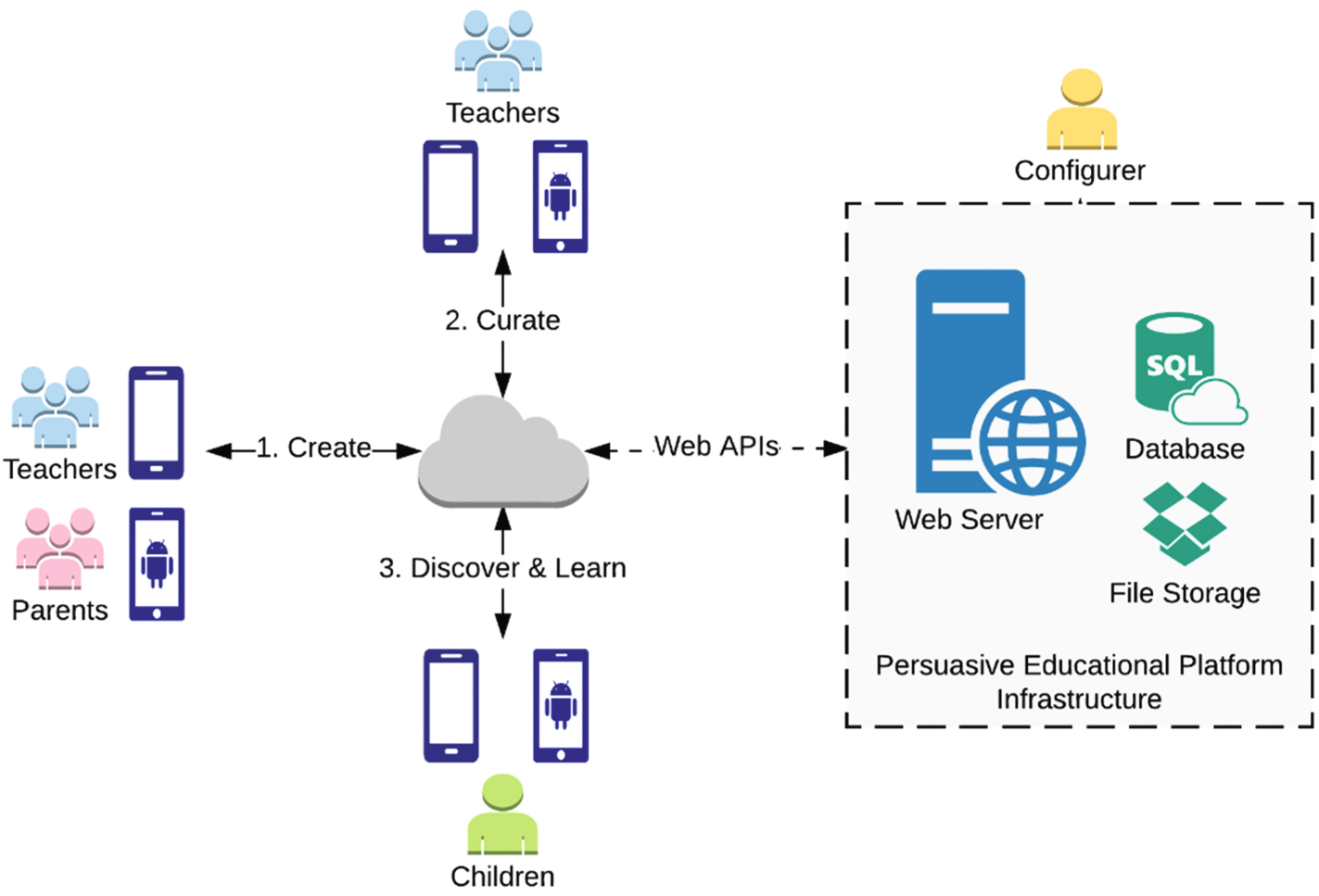
The PEP solution isn't built from scratch; it evolves from Save Lingo, a system originally designed for language revitalization. The core innovation lies in its Service-Oriented Architecture (SOA), which allows the platform to be configurable according to local needs (e.g., offline access, shared tablets).
1. The Multi-Role Workflow
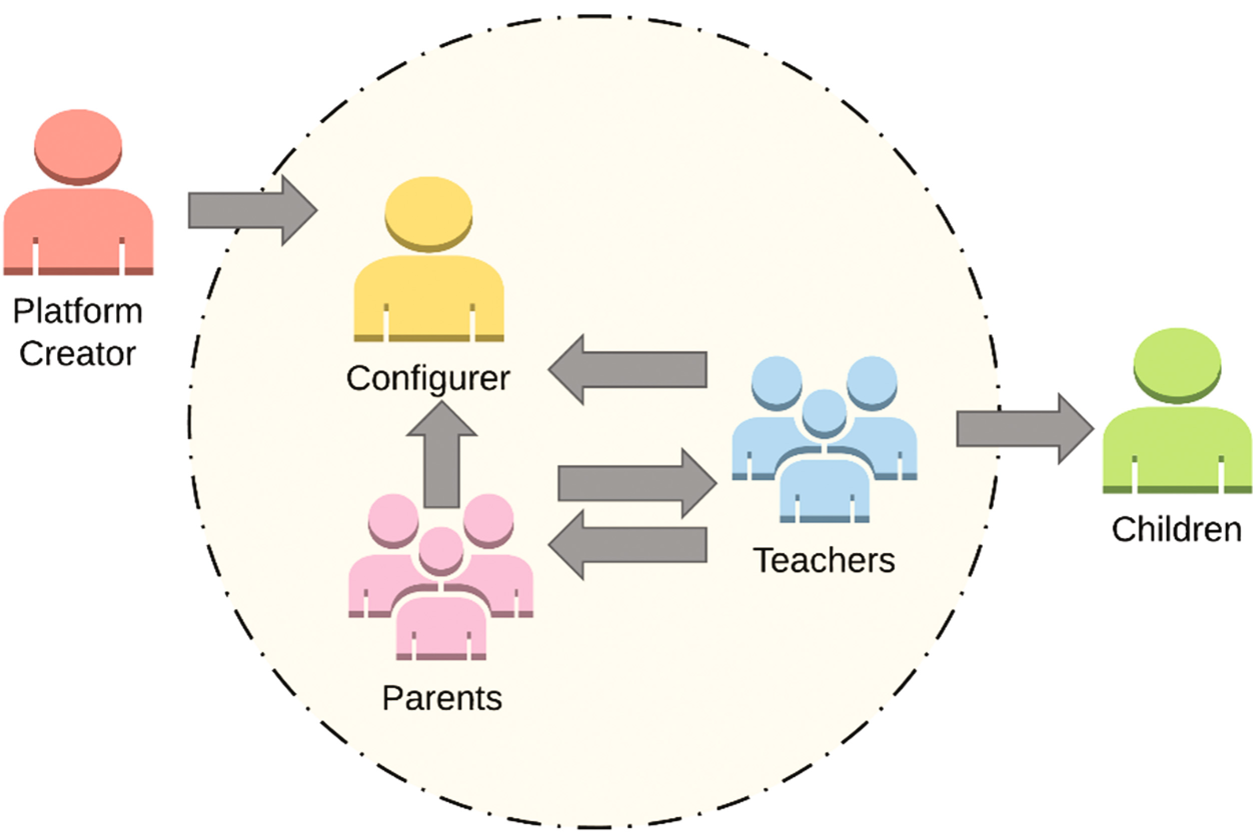
Unlike a standard app, PEP defines distinct "Stakeholder Workflows":
- Parents: Contribute content (images/audio) from their local environment to make learning contextual.
- Teachers: Act as "Curators," ensuring the content matches the curriculum and providing high-quality "Standard Audio."
- Children: Navigate a "Journey Metaphor" where they engage in Speaking, Sketching, and Read-aloud tasks.
2. Tech-Enhanced Active Learning
To solve the "Pedagogical Thinness" problem, PEP integrates:
- Speech Analysis: The system compares a child's recording against the teacher's standard and provides a similarity percentage.
- Digital Ink: Leveraging the tactile nature of tablets, children sketch letters to improve eye-hand coordination.
- Social Persuasion: Gamification elements (badges, rankings) are shared within the community to foster "Collective Credibility."
Experiments: Identifying the SOTA Gap
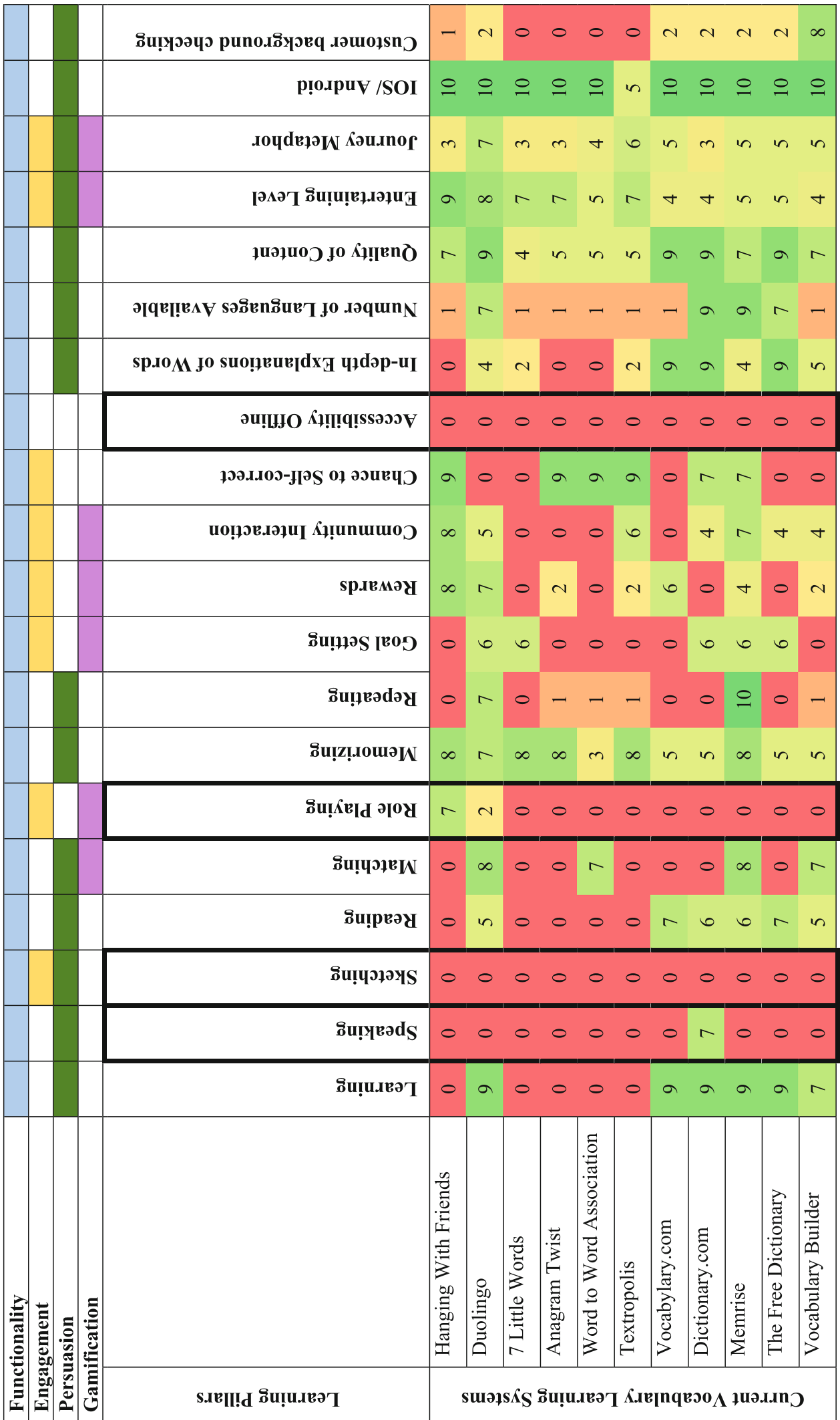
The authors conducted a heuristic evaluation of 11 industry-leading apps (e.g., Duolingo, Memrise, Vocabulary.com). Their findings revealed a massive deficit in Persuasion and Gamification as applied to active modalities like sketching and speaking.
| App | Speaking Feedback | Sketching Support | Social Interaction |
|---|---|---|---|
| Hanging With Friends | 0 | 0 | 7 |
| Duolingo | 9 | 0 | 8 |
| PEP (Proposed) | High | High | High |
Critical Insight: Beyond the App
The real contribution of PEP is the Persuasive Educational Platform Architecture. It moves away from the "isolated student" model and adopts a "Decentered Pedagogy." In this model, the technology acts as a bridge between the caregiver and the child, rather than a replacement for the teacher.
Conclusion & Future Outlook
Takeaway: PEP proves that for underprivileged children, the "Digital Divide" is not just about hardware access—it's about design intent.
Limitations: The authors acknowledge that parent awareness remains a barrier. No matter how persuasive the system is, the initial "buy-in" from parents in extreme poverty remains a massive social hurdle.
Future Work: The team is now moving into field implementation, focusing on how these systems perform on shared devices in community libraries and rural centers. If successful, this platform could become a blueprint for "Quality Education for All" as envisioned by the UN.