
Pervasive Digital Marketing: Bridging the Gap Between Municipalities and Citizens
Pervasiveness in Digital Marketing – A Global Overview
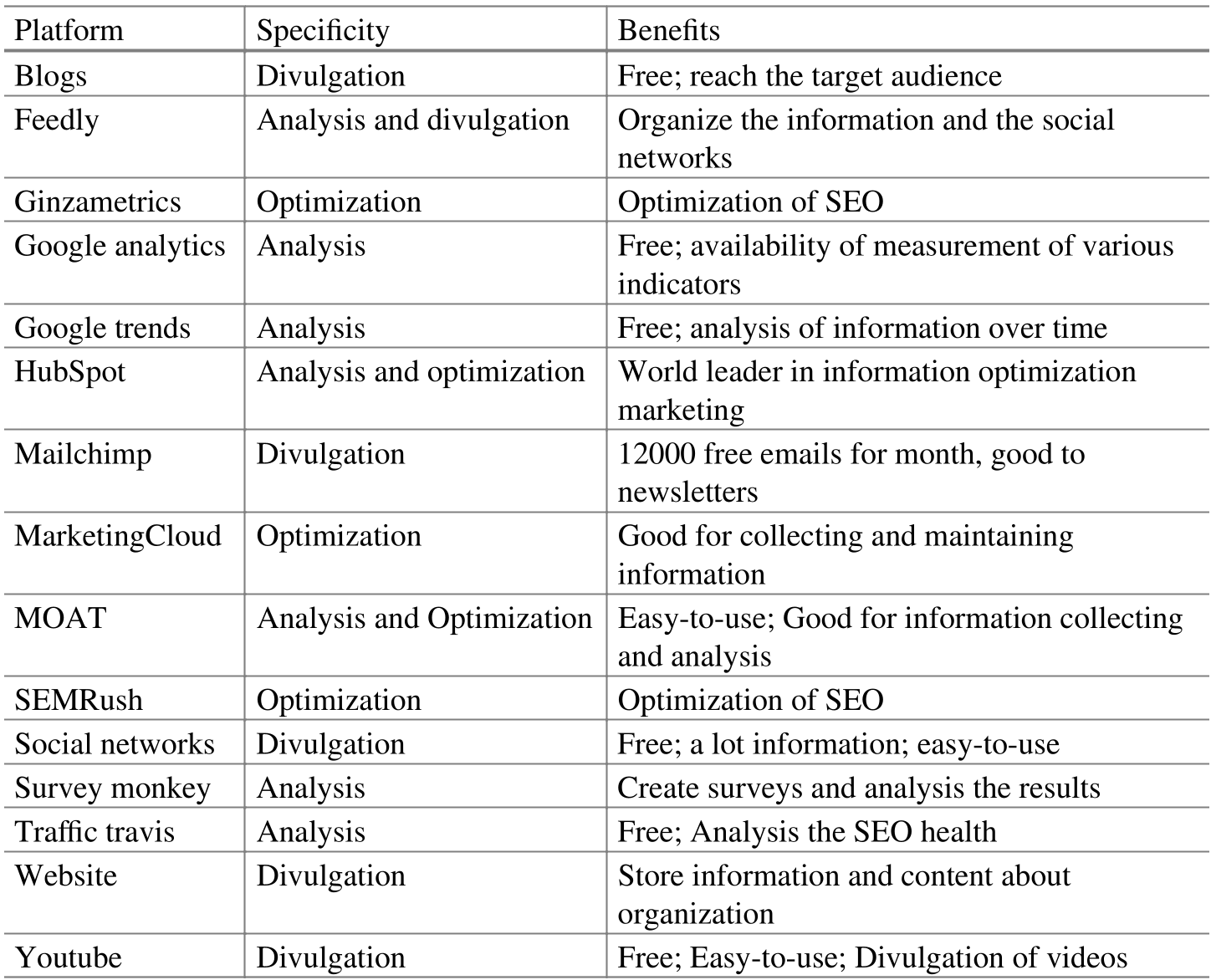
This paper explores the integration of Pervasive Computing concepts into Digital Marketing strategies for local government municipalities (eGov). It evaluates 15 market-leading free and paid platforms categorized by Analysis, Divulgation, and Optimization, proposing a framework to increase the proximity between governments and citizens through ubiquitous information access.
TL;DR
This research addresses how local governments (eGov) can utilize Digital Marketing platforms to create value despite limited budgets. By adopting Pervasive Computing principles—ensuring information is available "anyone, anytime, and anywhere"—municipalities can move beyond static websites to dynamic, citizen-centric engagement using a mix of free and premium tools for analysis, disclosure, and SEO optimization.
Background: The Need for Ubiquity in eGov
The core challenge for municipalities is twofold: limited economic power and the need for transparency. Traditional government communication is often reactive. The authors argue that eGov must evolve by adopting the same aggressive data-driven strategies used in the private sector. The "Pervasive" aspect implies that information should not just be online, but embedded in the citizen's daily life through mobile devices, social feeds, and smart spaces.
Methodology: The Three Pillars of Digital Strategy
The authors analyzed 50 platforms and narrowed them down to a core list based on their utility for public administration. They categorized these tools into three distinct functional areas:
- Divulgation (Expression): Creating visibility. Tools like Social Networks, Mailchimp, and YouTube allow municipalities to push news and events directly to citizens' pockets.
- Analysis (Insight): Understanding behavior. Platforms like Google Analytics and Feedly translate citizen interactions into actionable data, identifying which services are actually being sought.
- Optimization (Efficiency): Ensuring reach. This is often the "missing link" in public sector marketing, involving SEO (SEMRush) and automated marketing (HubSpot) to ensure that government information appears at the top of search results.
Deep Dive: Why "Pervasive" Matters
The paper highlights that Pervasive Business Intelligence is characterized by:
- Ease of Access: Information must be retrieved without extensive training.
- Usability & Ubiquity: Services must work across all devices (Mobile-first).
- Intuition: The citizen should find what they need without explicit awareness of the underlying technology.
The authors suggest that while Divulgation is often free (social media), the Optimization phase is where the real value is unlocked. Using tools like Traffic Travis for SEO health checks allows a municipality to ensure their content isn't buried in the 10th page of Google results.
Critical Analysis & Conclusion
Takeaway
The ultimate goal of this framework is a Circle of Continuous Improvement. By analyzing data (What do citizens want?), optimizing content (How do they find it?), and divulging through the right channels (Where do they spend time?), municipalities can fulfill the democratic promise of eGov.
Limitations
While the paper provides an excellent list of tools, it acknowledges a significant hurdle: Technical Literacy. Even if a tool like SEMRush or HubSpot is "market-leading," municipal staff require specialized training to interpret the data and manage pervasive campaigns effectively. Furthermore, the reliance on third-party platforms (Google, Meta) raises questions about data sovereignty in a government context.
Future Outlook
The next step for this research is the implementation of these optimized platforms within a live municipality to measure the actual increase in citizen participation. As we move toward 2026 and beyond, the integration of AI-driven pervasive tools will likely automate the "Optimization" pillar even further, making these strategies more accessible to even the smallest local governments.
(Note: This conceptual figure illustrates the feedback loop between Analysis, Divulgation, and Optimization proposed by the authors.)