
Decoding the Digital In-Group: How Greek Cypriot Culture Shapes Facebook Behavior
Using Phenomenography to Understand Cultural Values in Facebook
This study uses a phenomenographic approach to investigate how cultural values influence Facebook usage among Greek Cypriots. By combining semi-structured interviews and an online survey, the research maps specific behaviors—such as friend request management and information disclosure—to Hofstede’s cultural dimensions and Hall’s high-context communication theory.
TL;DR
While Facebook is a global platform, its usage is far from universal. This study reveals that Greek Cypriots, characterized by a High Uncertainty Avoidance and Collectivistic culture, use the platform as a tool for "in-group" maintenance rather than "out-group" expansion. Privacy is not just about data settings; it's a social defense mechanism against criticism in a "tight" culture.
Background: Beyond the "Global Culture" Myth
We often assume that because a billion people use the same "Like" button, they mean the same thing by it. However, culture acts as the "collective programming of the mind." This research focuses on Cyprus—a high-income, eastern Mediterranean nation with a complex history—to understand how its specific Greek cultural heritage influences digital interaction.
The Core Insight: The Need for Familiarity
The authors identify three primary drivers in Greek Cypriot Facebook usage:
- High Uncertainty Avoidance (UAI): A deep-seated discomfort with the unknown leads to a "stranger danger" approach to friend requests.
- Collectivism: The prioritization of the in-group results in using Facebook mainly to chat with existing offline friends.
- High-Context Communication: Minimal information is needed in messages because the social context is already understood by the participants.
Methodology: The Phenomenographic Lens
Unlike standard surveys, Phenomenography explores the qualitatively different ways people experience a phenomenon. By interviewing 25 students and surveying 181 others, the researchers moved beyond "what" users do to "how" they conceptualize their digital world.
Key Findings: The Power of Mutual Friends
The study yielded fascinating quantitative evidence on digital trust:
- The In-Group Filter: Users are highly selective. Friend lists are essentially digital extensions of offline circles. An unknown person is categorized as "out-group" and usually rejected.
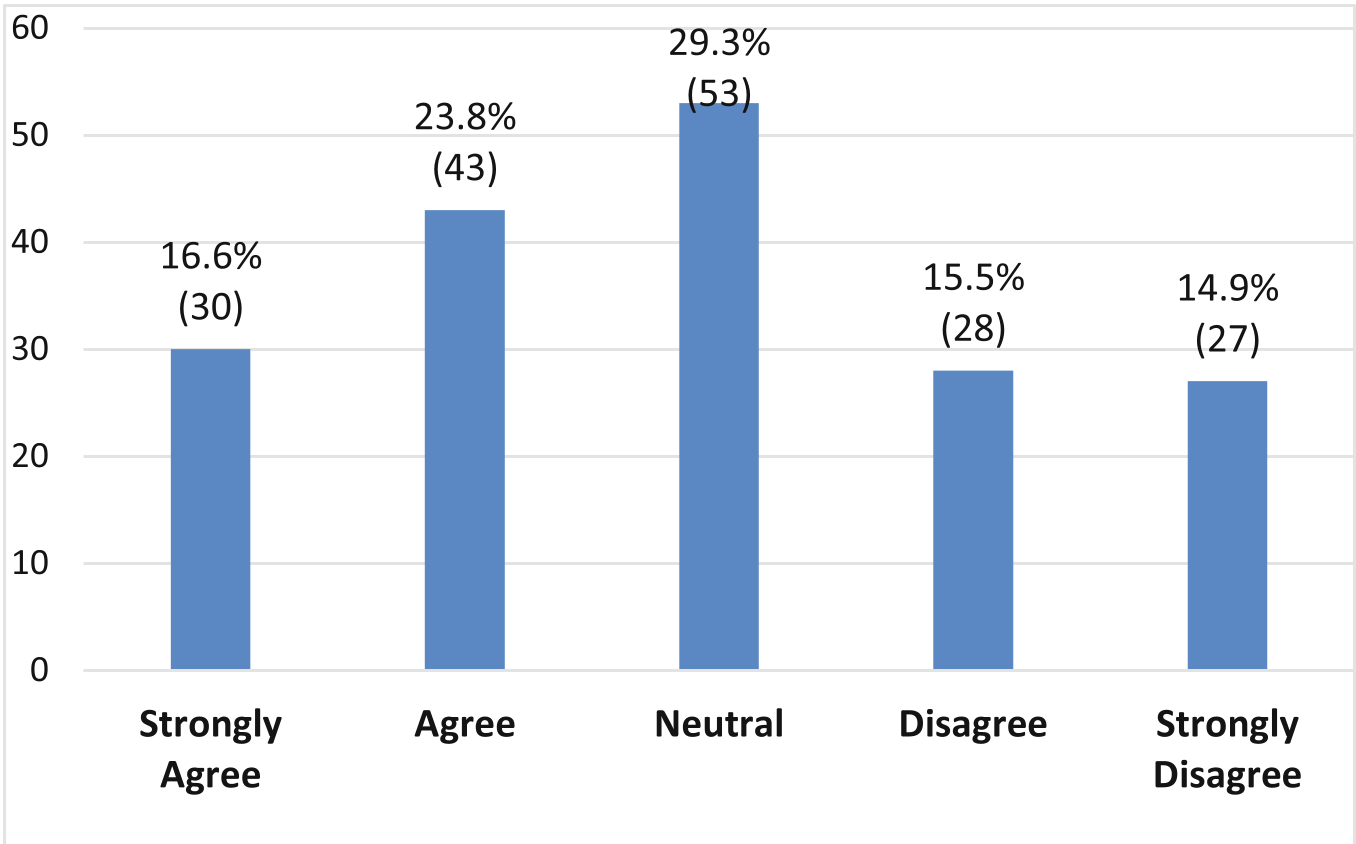
- Mutual Friends as Currency: 60% of interviewees mentioned "mutual friends" as a deciding factor. In an online survey, a significiant portion of users noted it as a key trust attribute.
- Visual Trust: A profile photo remains the most critical trust element. 78% of users would reject a request without a photo even if they shared 10 mutual friends.

Privacy as Social Defense
Interestingly, while these users trust Facebook as an "operator" (unlike e-commerce sites where they fear for their credit card info), they are extremely cautious about self-expression.
- Self-Disclosure vs. Self-Exposure: Users avoid posting personal opinions or identifying details (like phone numbers) to avoid being criticized by their "tight" social circle.
- The "Safe" Post: Instead of personal status updates, users prefer sharing neutral content like music, videos, or artistic work.
Design Implications: Culturally-Aware UX
This research suggests that platforms should move away from generic "Follow" or "Add" buttons and toward features that cater to high-UAI cultures:
- Enhanced Evidence Searching: Allowing users to search for content or specific mutual ties within a requestor's profile to verify their identity.
- Relational Transparency: Highlighting who the mutual friends are (closeness) rather than just the number of mutual friends.
Future Outlook
As Cyprus shifts toward a more individualistic economy, will these digital behaviors change? The study concludes that while platform functions remain global, the "mental programming" of users remains deeply rooted in national heritage. Understanding this is key for any tech company aiming for true global resonance.
Conclusion
The study reminds us that for a Greek Cypriot, Facebook isn't a window to the world; it's a reinforced door to their existing community.