
Digital Constitutionalism: Why AI Algorithms Alone Cannot Save Democracy
Platform values and democratic elections: How can the law regulate digital disinformation?
This article examines the regulatory landscape of digital disinformation, proposing a transition from private self-regulation to democratically overseen co-regulation. It evaluates the limitations of AI-driven content moderation and advocates for a hybrid model that integrates human judgment with automated systems to protect European democratic values and freedom of expression.
TL;DR
The battle against "fake news" is moving from the server room to the courtroom. While tech giants like Meta and Google promote AI as a "miracle cure" for disinformation, a landmark analysis by Marsden, Meyer, and Brown argues that true democratic resilience requires Co-regulation. This approach moves beyond corporate "terms of service" toward a system where automated moderation is legally audited, and human judgment serves as the ultimate fail-safe for freedom of expression.
The "Miracle Cure" Fallacy
The digital ecosystem currently suffers from a "precautionary" legislative rush. Governments are passing laws to curb disinformation before having solid evidence of their impact. Meanwhile, platforms use AI to manage the astronomical scale of content. However, the authors pierce through this technological optimism by highlighting the "Imitation Game" problem: AI might recognize patterns of spam or nudity with 99% accuracy, but it struggles with the contextual irony and political nuances of hate speech (where accuracy can drop below 40%).
The core motivation for this research is the recognition that private censorship is occurring. When a machine interprets a situation as "real" (or "fake"), the consequences for democratic participation become real, yet there is often no transparent avenue for appeal.
Methodology: The Regulatory Pyramid
The authors don't just criticize; they provide a taxonomy of six policy options. The centerpiece is Option 4: Formal Co-regulation.
Unlike self-regulation (where companies mark their own homework), co-regulation provides a statutory underpinning. It suggests a "pyramid" structure:
- Top: Statutory principles and authorization by parliaments.
- Middle: Independent regulators (co-regulators) designing specific schemes.
- Base: Industry-shaped codes of conduct and technical standards for implementation.
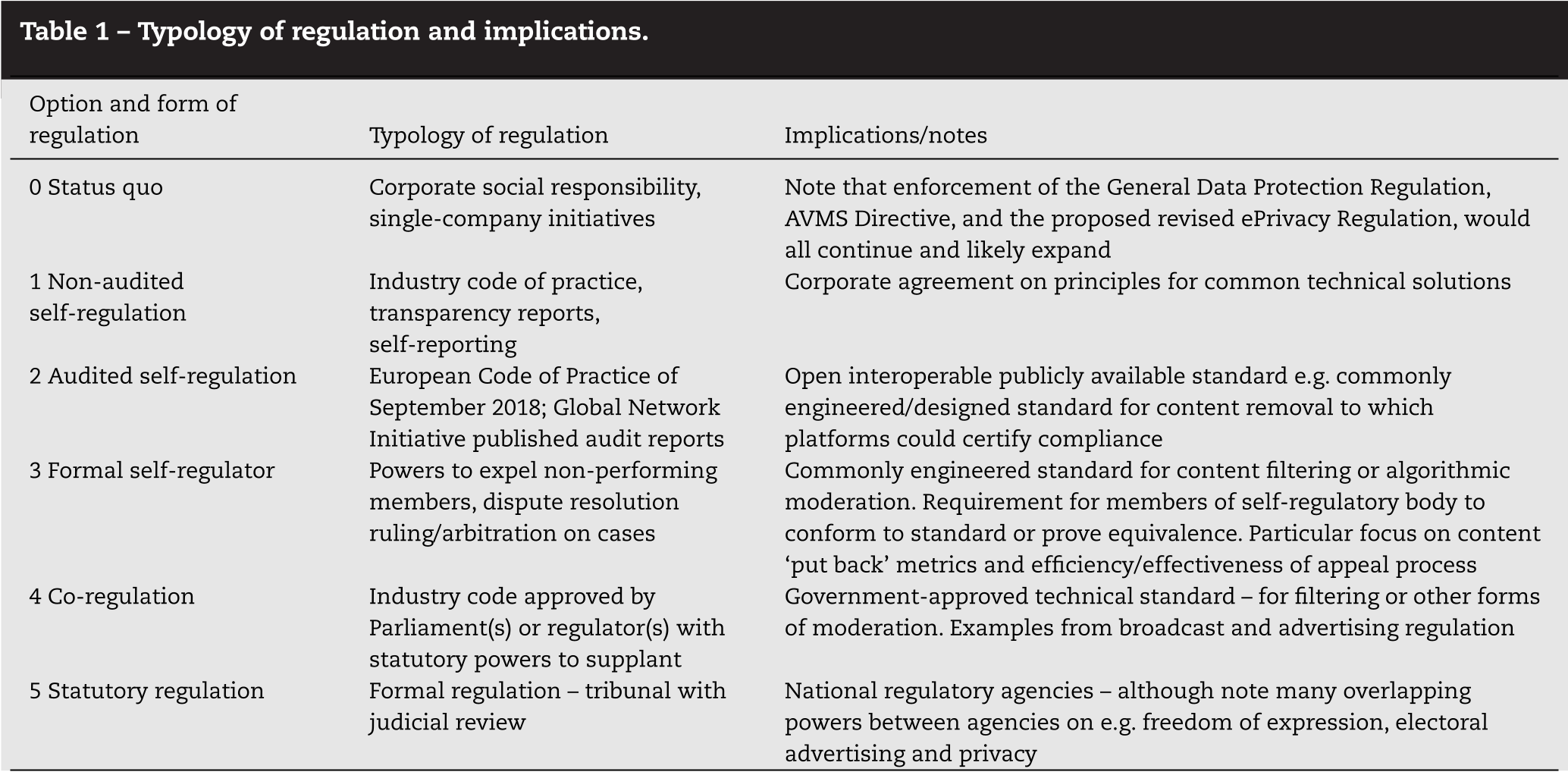 Figure 1: The spectrum of regulatory options from inaction (Status Quo) to full Statutory Regulation.
Why "European Values" Require Human Lawyers
One of the paper’s most provocative insights is the "socio-economic calculus." AI is popular with platforms because it is cheap. Hiring thousands of subcontracted "Mechanical Turks" in developing nations is cost-effective but culturally disconnected from the European human rights landscape.
The authors argue for a hybrid model:
- AI as the Filter: High-speed identification of potential bots and massive scale violations.
- Humans as the Judges: Qualified European experts (journalists and lawyers) to handle appeals and value judgments.
This shift forces platforms to reinvest their "rents" (advertising profits) back into the social fabric they utilize, essentially taxing the economic value of data to protect the social value of truth.
Experimental Insight: AI's Accuracy Gap
The paper cites corporate transparency reports to show the uneven performance of AI. While "graphic violence" is easily flagged, "hate speech" and "political disinformation" remain elusive. The authors highlight that the current incentive structure encourages platforms to show how much they removed rather than how many legitimate voices they accidentally silenced.
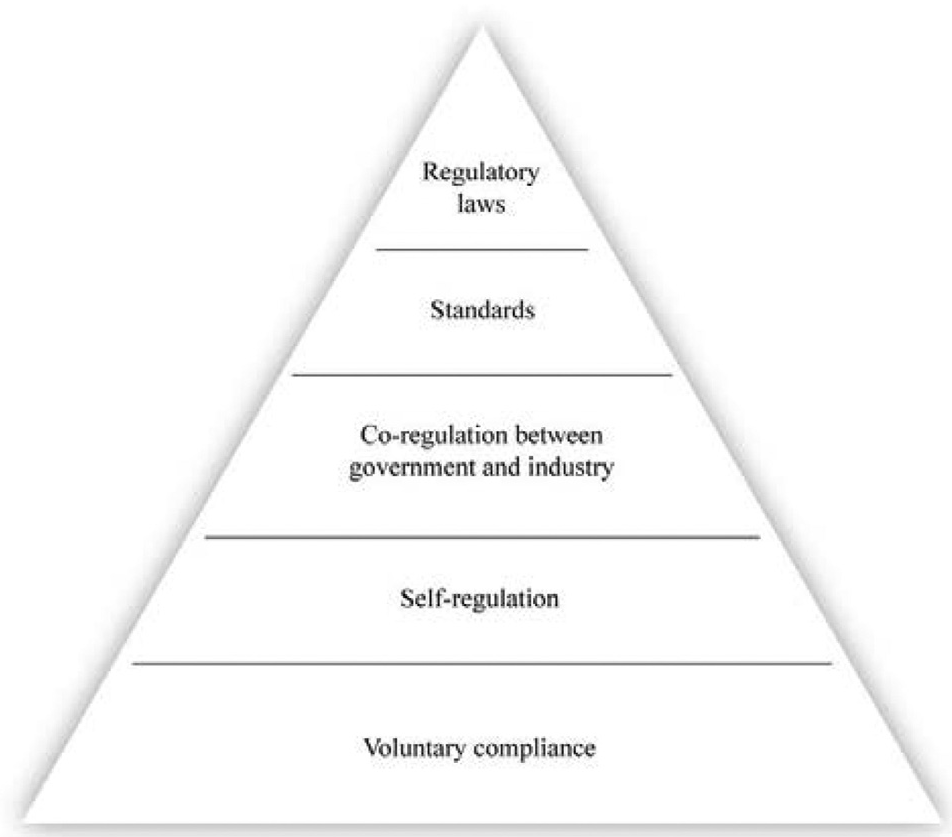 Figure 2: The varying impacts of regulation on media pluralism and freedom of expression.
Critical Analysis & The Road Ahead
The conclusion is clear: Disinformation is an "age-old problem" that cannot be solved, only ameliorated. The "bandage" for the gaping wound in democracy is not just better code, but better prosumer law—protecting the rights of users who are both consumers and producers of information.
Limitations: The authors acknowledge that high-intensity regulation (Option 5) risks creating "super-regulators" that could potentially be weaponized for state censorship. Therefore, the "audit" function in co-regulation is the most balanced path forward.
Future Outlook: As we move toward 2026 and beyond, the success of modern democracy will depend on whether we can "follow the value"—realigning the economic incentives of tech platforms with the fundamental human right to an informed vote.