
Playing With Friends: How the Pandemic Transformed Games into Social Lifelines
Playing With Friends - The Importance of Social Play During the COVID-19 Pandemic
This study investigates the role of digital games as a social proxy during the COVID-19 lockdown. Using an online survey (n=78), the researchers found that 53.5% of gamers increased their playtime, with social connection emerging as a dominant motivator, particularly through a 9.9% shift toward multiplayer titles.
TL;DR
As the COVID-19 pandemic forced billions into isolation, digital games stepped up—not just as entertainment, but as vital social infrastructure. This study by Cmentowski and Krüger reveals that while the pandemic didn't turn non-gamers into players, it fundamentally shifted the "Why" for existing gamers, turning multiplayer sessions into the primary means of maintaining friendships and escaping a frightening reality.
Problem & Motivation: The Social Void
In early 2020, the "social distancing" mandate created a massive psychological vacuum. While video conferencing and social media saw immediate spikes, the researchers identified a unique hybrid space: Social Play. Unlike a standard Zoom call, games provide "Social Presence"—the sense of being together through shared activity. The authors sought to understand if this crisis was a "tipping point" that would change gaming from a hobby into a universal communication medium.
Methodology: Mapping the Shift
The research team conducted an online survey focusing on three Research Questions (RQs):
- Habit Changes: Did people play more?
- Genre Shifts: Did we move toward different types of games?
- Social Rating: How much did players value the "social" aspect compared to before?
The study utilized a mix of quantitative scales and qualitative free-text forms to capture the nuance of human motivation during a period of high stress.
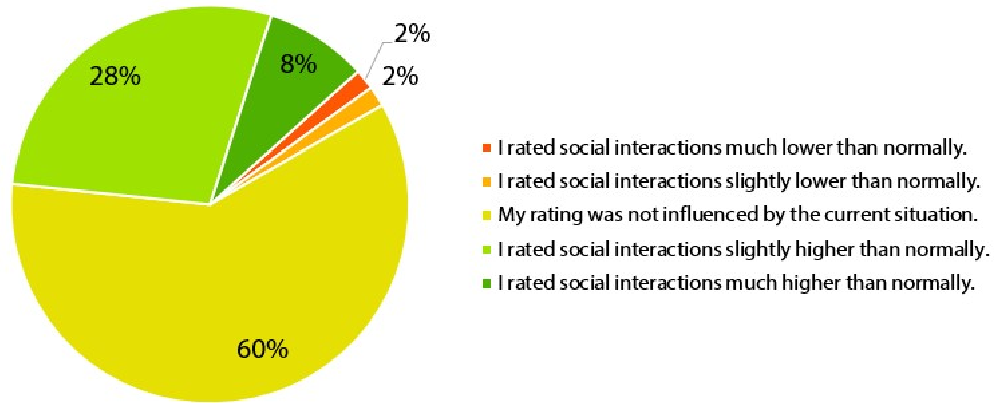
Results: The "Catalyst" Effect
The findings suggest that the pandemic acted as a catalyst for existing habits rather than a disruptor of new ones.
1. The Increase in Playtime
Excluding non-players, over 53% of participants increased their gaming time. The reasons were split between having "more time" due to home office (46.3%) and a specific "need for social contact" (35.8%).
2. From Single-Player to Social-Player
The data showed a definitive shift in the type of games played. The ratio of multiplayer games being actively played rose by nearly 10%, while single-player game engagement dropped. Interestingly, the researchers found that players didn't necessarily switch genres—they simply prioritized titles within their favorite genres that allowed them to connect with others.
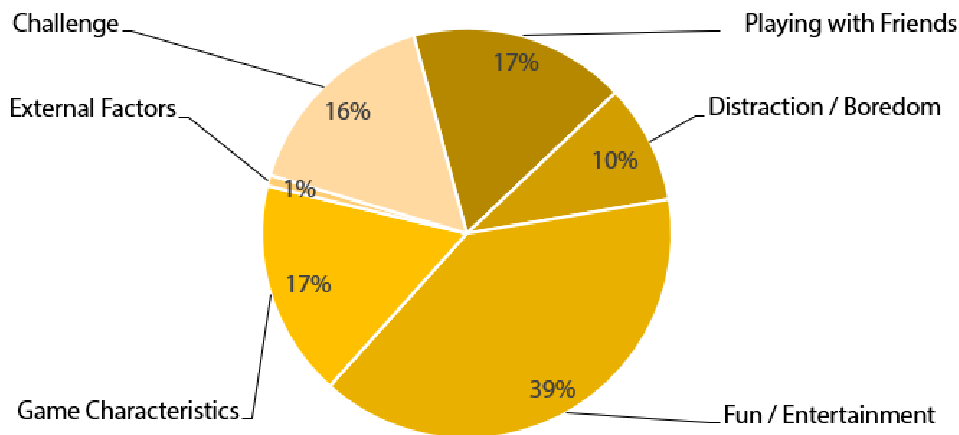
3. A Shift in Motivation
This is perhaps the most significant finding. As shown in the comparison below, the motivation "Playing with Friends" skyrocketed in importance during the pandemic.
Deep Insight: Why Why Didn't Non-Players Join In?
The study highlights a crucial barrier: Non-players were not motivated to add games as communication channels. Even when faced with extreme isolation, those who didn't play before the pandemic didn't see games as a viable solution. This suggests that the "Social Play" benefit requires a certain level of pre-existing "gaming literacy" or habit. For those already in the ecosystem, games were a sanctuary; for those outside, the barrier to entry remained too high or the perceived value too low.
Conclusion & Future Outlook
The core takeaway is that gaming is social infrastructure. During a global crisis, it successfully fulfilled needs that traditional social media could not. However, the study's limitation—a relatively small, localized sample—suggests we need more data on how these habits evolved as the pandemic became a multi-year event.
Does the "social bias" in gaming remain today, or did we return to playing for "fun and challenge" once the bars and parks reopened? This research sets the stage for understanding games as a permanent, secondary social world.