
Deciphering Virality: Modeling Repost Dynamics in Mobile Social Networks
Predicting the content dissemination trends by repost behavior modeling in mobile social networks
This paper introduces a predictive framework for microblog popularity in Mobile Social Networks (MSNs), focusing on Sina Weibo. It employs a novel RepostsTree method to model content dissemination as a composite Poisson process, achieving high accuracy in forecasting long-term repost counts.
TL;DR
Why do some posts vanish into the digital void while others explode into global trends? This paper tackles the "holy grail" of social media analytics: predicting the final repost count of a microblog. By moving beyond simple text analysis and looking at the hierarchical nature of social cascades, the authors introduce RepostsTree—a method that treats a viral trend not as one event, but as a forest of interconnected Poisson processes.
Background: Beyond the Static Feed
In the Internet of Things (IoT) era, Mobile Social Networks (MSNs) like Sina Weibo are not just communication tools; they are sensors for human behavior. However, predicting attention is notoriously difficult because it follows a power-law distribution—most posts get nothing, while a few get everything. Current SOTA methods often ignore the structural reason behind these bursts.
The "Why": Multimedia and Influence
The researchers first used Principal Component Analysis (PCA) to dig into what actually makes a post popular. They found that traditional metrics (followers, mentions) are important, but Multimedia Features are the true hidden catalysts:
- Modality: The variety of media types (video, music, interactivity).
- MaxMediaWeight: A hierarchical score where interactive content (polls/quizzes) outweighs video, which outweighs music.
Interestingly, the study reveals that in 2014, images were so ubiquitous (88.5% of posts) that they no longer served as a differentiator for "virality"—a precursor to our current "video-first" social landscape.
Methodology: The RepostsTree
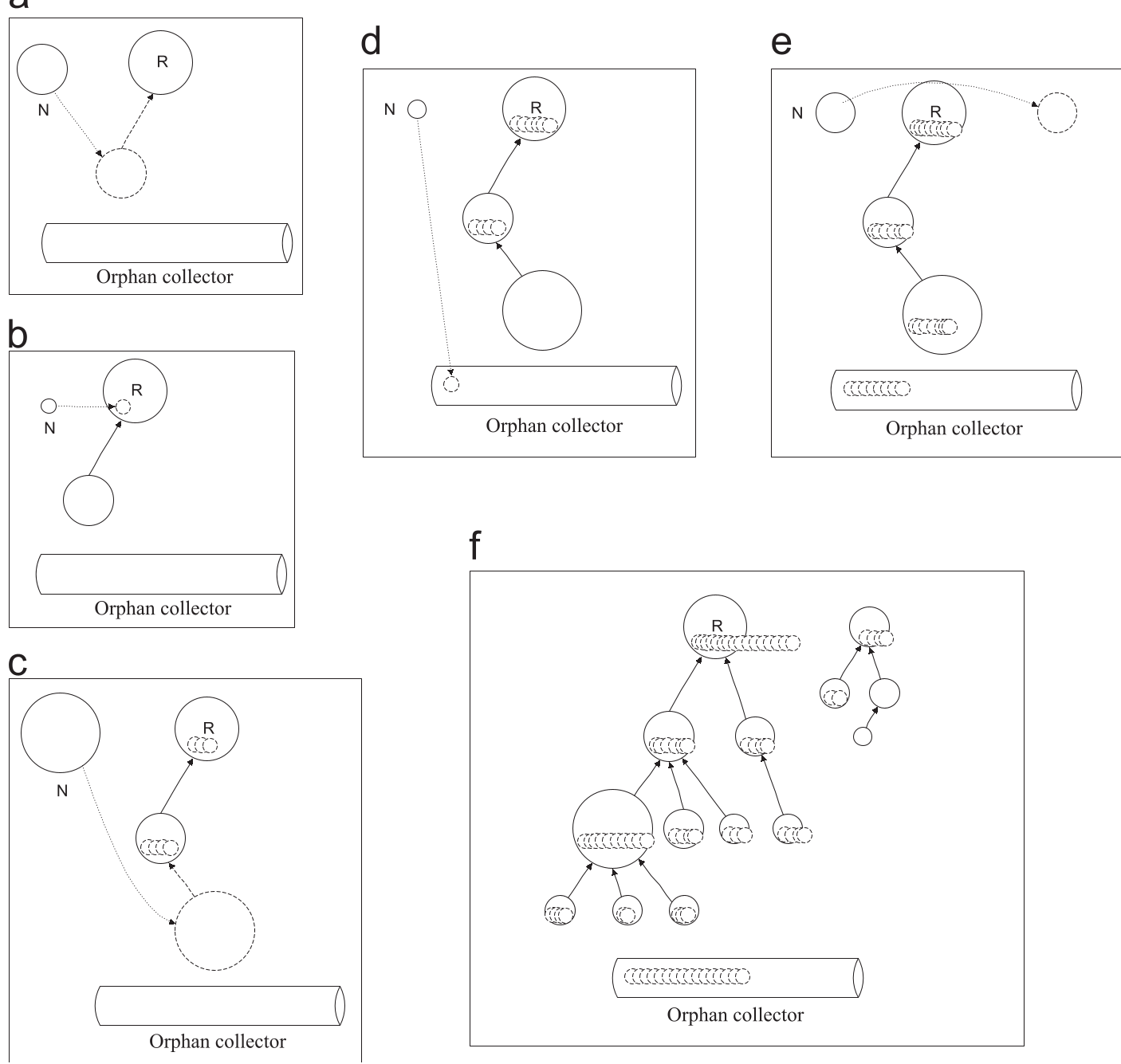
The core innovation is the RepostsTree. Instead of viewing a timeline of reposts as a single flat sequence, the authors recognize that a "Boosting Repost" from an influential user creates a new "branch" of activity.
How it works:
- Node Identification: The original post is the root. Any repost by a user with high "contribution" (measured by follower count or relative influence) becomes a "Boosting Node."
- Decomposition: The global timeline is divided into sub-series. Each "Boosting Node" starts its own local Poisson Process.
- Composite Prediction: By estimating the parameters () for these individual processes using Maximum Likelihood Estimation (MLE), the model sums them up to predict the future aggregate count.
Experiments & Results
The authors validated the model on actual Sina Weibo data, specifically targeting posts with over 10,000 reposts.
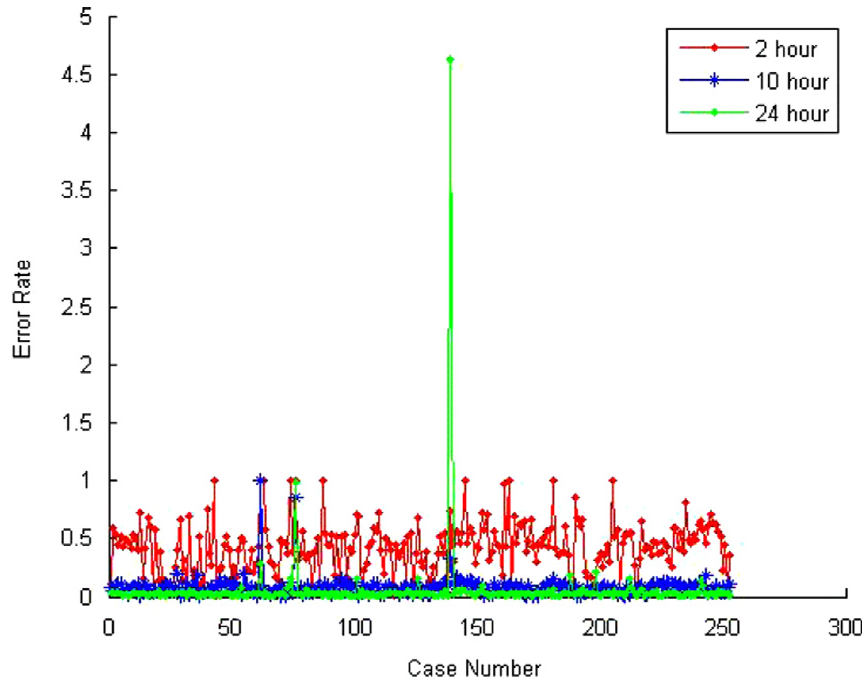
The results show a clear Iterative Learning effect:
- Error Reduction: As the "indicator time" (the window of observed data) moves from 2 hours to 24 hours, the prediction accuracy improves significantly.
- Adaptability: Unlike static models, RepostsTree adapts to the "heavy intervals" that typically occur in the later stages of content dissemination.
Critical Insight: The "Heavy Tail" Paradox
A major contribution of this work is the discussion on Human Dynamics. While human behavior is often described by non-Poisson "heavy tails" (long periods of silence followed by bursts), this paper demonstrates that a hierarchy of Poisson processes can effectively approximate these complex patterns in social media. The "bursts" we see are simply the start of new branches in the RepostsTree.
Conclusion & Future Outlook
This work provides a robust framework for understanding the "How" and "Why" of digital content spread. For future researchers, the next step lies in integrating Real-time Mobility and Sentiment Analysis into the "Weight" of the Boosting Nodes. As social networks transition from centralized servers to hybrid IoT environments, understanding these cascades will be vital for everything from public health alerts to digital marketing.
Editor's Note: Despite being published in 2014, the hierarchical "forest" logic of this paper remains a foundational concept for modern cascade prediction models.