
Beyond Age: Deciphering Geriatric Fall Risk via Machine Learning and Polypharmacy
Predicting Falls in Older Adults Aged 65 and up Based on Fall Risk Dataset
The paper presents a comparative study of four supervised machine learning models (Naïve Bayes, Decision Trees, Neural Networks, and Support Vector Machines) to predict fall risks in adults aged 65+. Utilizing a specialized dataset of 593 patients, the Support Vector Machine (SVM) achieved a state-of-the-art accuracy of 87% and an AUC of 0.86.
TL;DR
Predicting falls in the elderly is more than just a matter of tracking age. This study demonstrates that by using a Support Vector Machine (SVM) on a dataset of 593 patients, researchers achieved 87% accuracy in predicting falls. The core revelation? The total number of medications a patient takes is a far more potent predictor than their actual age or sex.
Context & Motivation: The Growing Crisis
Falls among adults aged 65 and up are a "silent epidemic." With mortality rates increasing by 31% over the last decade and annual medical costs hitting $50 billion in the US alone, the status quo of reactive treatment is no longer sustainable.
The authors argue that existing screening methods are either too subjective or too narrow (focused only on gait or insurance claims). To solve this, they propose a data-driven approach that looks at the "Intrinsic Factors"—the internal biological and pharmacological state of the patient.
Methodology: Feature Selection is the Secret Sauce
The researchers didn't just throw raw data at an algorithm. They utilized a sophisticated Tree-Based Feature Selection (using the Extra Trees Classifier) to find the signal in the noise of 764 initial features.

Why Extra Trees?
Unlike standard decision trees, the Extra Trees Classifier introduces randomness in threshold selection. This reduces variance—a common problem in medical datasets where over-fitting can lead to models that don't generalize to new patients.
The "Medicine" Factor: Understanding Feature Importance
The study’s most significant contribution is the ranking of features. While society often views age as the primary risk factor for falls, the data tells a different story:
| Feature Name | Importance Score |
|---|---|
| Total number of drugs | 0.1676 |
| Drugs on Beers List (high-risk meds) | 0.0490 |
| Furosemide (Diuretic) | 0.0310 |
| ... | ... |
| Sex | 0.0063 |
| Age category | 0.0062 |
Key Insight: Age and sex are secondary. The biochemical "cocktail" of multiple prescriptions—often leading to dizziness or cognitive impairment—is the true catalyst for fall events.
Experimental Battleground: SVM vs. The Rest
The authors tested four distinct architectures: Naïve Bayes, Decision Trees, Neural Networks, and SVMs.
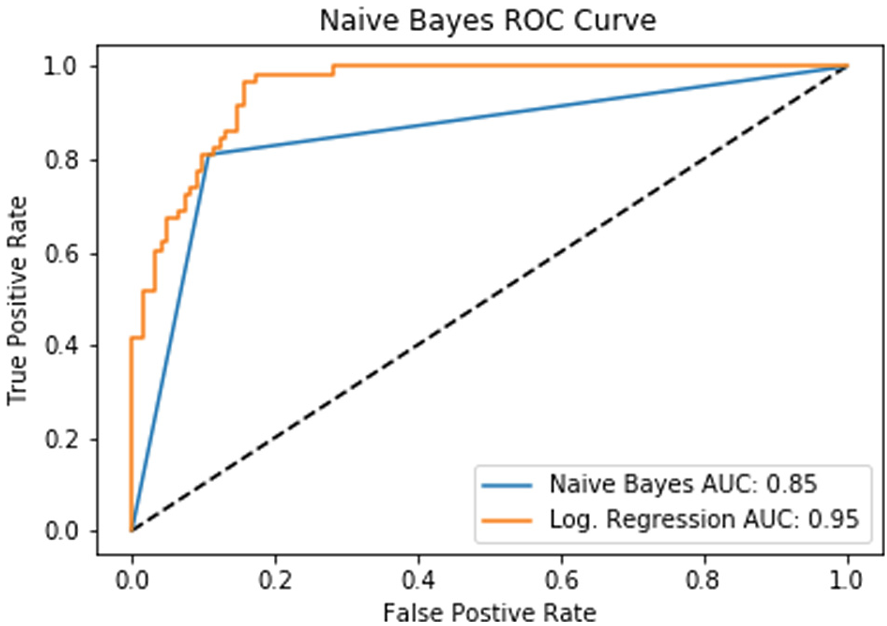 (Note: SVM and Naïve Bayes showed the most robust performance across cross-validation rounds.)
- The Winner: The Support Vector Machine (SVM). By finding the optimal hyperplane to separate "fallers" from "non-fallers," it achieved the best balance of sensitivity (81%) and specificity (80%).
- The Over-fitter: The Decision Tree hit 99% accuracy on training data but plummeted to 80% on testing data, a classic case of low generalization.
Critical Analysis & Professional Takeaways
This paper serves as a critical bridge between Pharmacology and Data Science.
Strengths:
- Clinical Relevance: It validates the Hendrich II Fall Risk Model while proving that ML can refine it.
- Actionable Insight: It provides a clear target for clinicians: reduce polypharmacy to reduce fall risk.
Limitations:
- Data Imbalance: The dataset was heavily skewed toward patients who had already fallen, which may introduce bias.
- Self-Reporting: Historical fall data is notoriously under-reported by male patients, potentially affecting the "Target Class" accuracy.
Future Outlook
The next frontier is Multimodal Integration. By combining the pharmacological insights of this study with wearable sensor data (accelerometers to track gait patterns), we can move toward real-time fall prevention systems that alert caregivers before the first drug-induced dizzy spell leads to a hospital visit.