
Information as Vaccine: How Knowledge Shapes Behavior in a Global Crisis
Predictors and outcomes of individual knowledge on early-stage pandemic: Social media, information credibility, public opinion, and behaviour in a large-scale global study
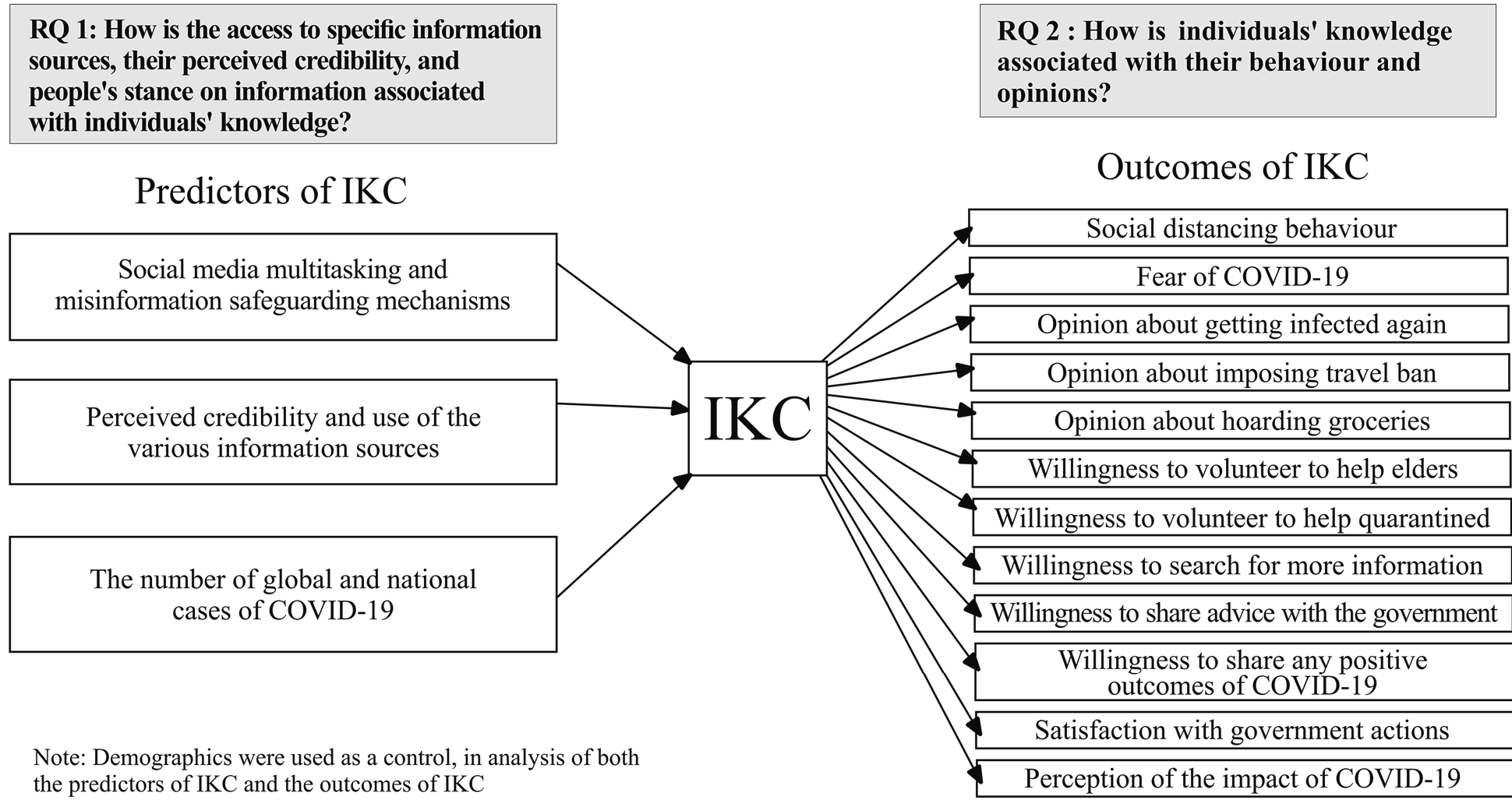
This study investigates the relationship between information sources, individual knowledge (IKC), and behavioral outcomes during the early stages of the COVID-19 pandemic. Using a massive global survey of 15,552 respondents across 126 nationalities, it establishes that traditional media and official sources significantly boost accurate knowledge, whereas reliance on most social media platforms (excluding Twitter) correlates with lower knowledge scores.
TL;DR
In the early days of a pandemic, what you know is just as important as what you do—partly because what you know dictates what you do. This large-scale study of over 15,000 people globally reveals a stark truth: trust in traditional media and official health sites leads to better pandemic knowledge and more responsible behavior, while "social media bubbles" on platforms like Facebook and WhatsApp often correlate with misinformation and panic.
Background: The Trust Deficit in a Digital Age
When COVID-19 first emerged, the world didn't just face a biological virus; it faced an "infodemic." The researchers placed this study in the academic coordinates of Information Science and Public Health, asking a critical question: In an era where everyone is a "multitasking" content consumer, which information sources actually help us stay safe, and which ones lead to hoarding and fear?
The "IKC" Framework: Measuring What We Know
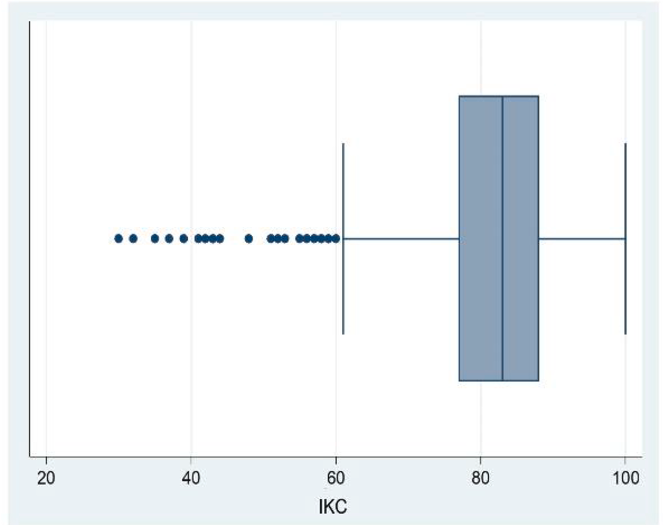
The study's core methodology centers on the Individual Knowledge on COVID-19 (IKC) Index. By measuring accuracy across three categories—general knowledge, myths/facts, and prevention—the authors created a 0–100 score for every participant.
The Predictors: Where Knowledge Comes From
The results provide a fascinating hierarchy of credibility:
- The Winners: Newspapers, TV News, and the WHO website. Users who trusted these "legacy" sources scored significantly higher on the IKC index.
- The Losers: Trusting Facebook, Instagram, or WhatsApp was negatively associated with accurate knowledge. Interestingly, Twitter was the only major social platform where perceived credibility correlated positively with higher knowledge.
- The Safeguard: "Active checking"—cross-referencing information with other sources—was the strongest predictor of high IKC among social media users.
Why Insight Matters: Knowledge vs. Behavior
The most striking part of this paper isn't just how we get info, but what happens next. The authors prove that knowledge is a precursor to specific social outcomes.
1. The Pro-Social Behavior Correlation
People with high IKC scores were significantly more likely to:
- Practice Social Distancing: The data showed a robust positive coefficient (0.113) between knowledge and distancing.
- Volunteer: Higher knowledge led to a greater willingness to help the elderly and those in quarantine.
- Avoid Panic: High-knowledge individuals were less likely to hoard groceries and exhibited lower general fear.
2. The Satisfaction Paradox
Those with the most knowledge were actually the least satisfied with their government's response. This suggests that accurate information makes the public more critical of policy delays or communication gaps.
Critical Insight: The Locality Filter
A unique finding in this study was the role of the "National Context." The number of cases in a respondent's own country boosted their knowledge (motivated by self-preservation), while the "Global Case Count" actually led to lower IKC. This suggests that during a crisis, humans have a "geographical bias"—we filter out global data as noise until the threat hits our own neighborhood.
Conclusion & Future Outlook
This research confirms that education is the best long-term safeguard against crisis. For policymakers, the takeaway is clear:
- Don't abandon traditional channels: They are still the gold standard for factual dissemination.
- Leverage Twitter carefully: It appears to serve as a more effective conduit for real-time science than other "enclosed" social networks.
- Empower the individual: Teaching the public to "cross-reference" is more effective than trying to ban every piece of fake news.
The Bottom Line: In the early stages of any future global catastrophe, the speed with which a population gains accurate knowledge will determine the speed with which they adopt life-saving behaviors.