
Beyond the Right to be Let Alone: The Shift to Data Protection Governance
2858_Privacy Governance in Cyberspace.
This paper explores the evolution of privacy in the digital age, proposing a shift from the passive "right to be let alone" to a proactive data protection framework. It advocates for a multistakeholder governance model to harmonize global privacy policies across technical, regulatory, and social dimensions.
TL;DR
Privacy is no longer just about being "left alone"—it’s about who controls the flow of your digital footprint. This paper argues that as Big Data and IoT make data collection inevitable, we must move from fragmented national laws to a global multistakeholder governance model that embeds privacy into the very architecture of technology.
Contextual Positioning
Published in IEEE Internet Computing, this work serves as a strategic roadmap for moving privacy from a vague legal concept to a concrete technical and regulatory framework. It bridges the gap between legal philosophy and digital infrastructure management.
The Core Problem: The Fragmentation of Privacy
In the physical world, privacy was often defined by seclusion. In cyberspace, this definition collapses. The authors identify two primary pain points:
- Cultural Subjectivity: For example, privacy in the US is often linked to liberty (e.g., reproductive rights), whereas in Europe, it is tied to human dignity.
- Technological Inevitability: With IPv6 and ubiquitous sensors, "opting out" of data collection is becoming impossible. Traditional regulations cannot keep up with the speed of algorithmic exploitation.
Methodology: The Multistakeholder Framework
The authors argue that "Privacy isn't dead," but it has evolved into Data Protection. The key solution is a tripartite governance structure:
1. The Actor Triad
Effective governance requires the interaction of three main pillars:
- Governments: Providing the regulatory floor and enforcement through Data Protection Authorities (DPAs).
- Businesses: Balancing the Internet economy with customer trust and technical compliance.
- Civil Society: Driving the social demand for rights and transparency.
2. Technical Integration
A critical insight of this paper is that law alone is insufficient. We must rely on:
- Privacy by Design (PbD): Embedding privacy into the product development lifecycle.
- PETs (Privacy-Enhancing Technologies): Using encryption and anonymization as default technical layers.
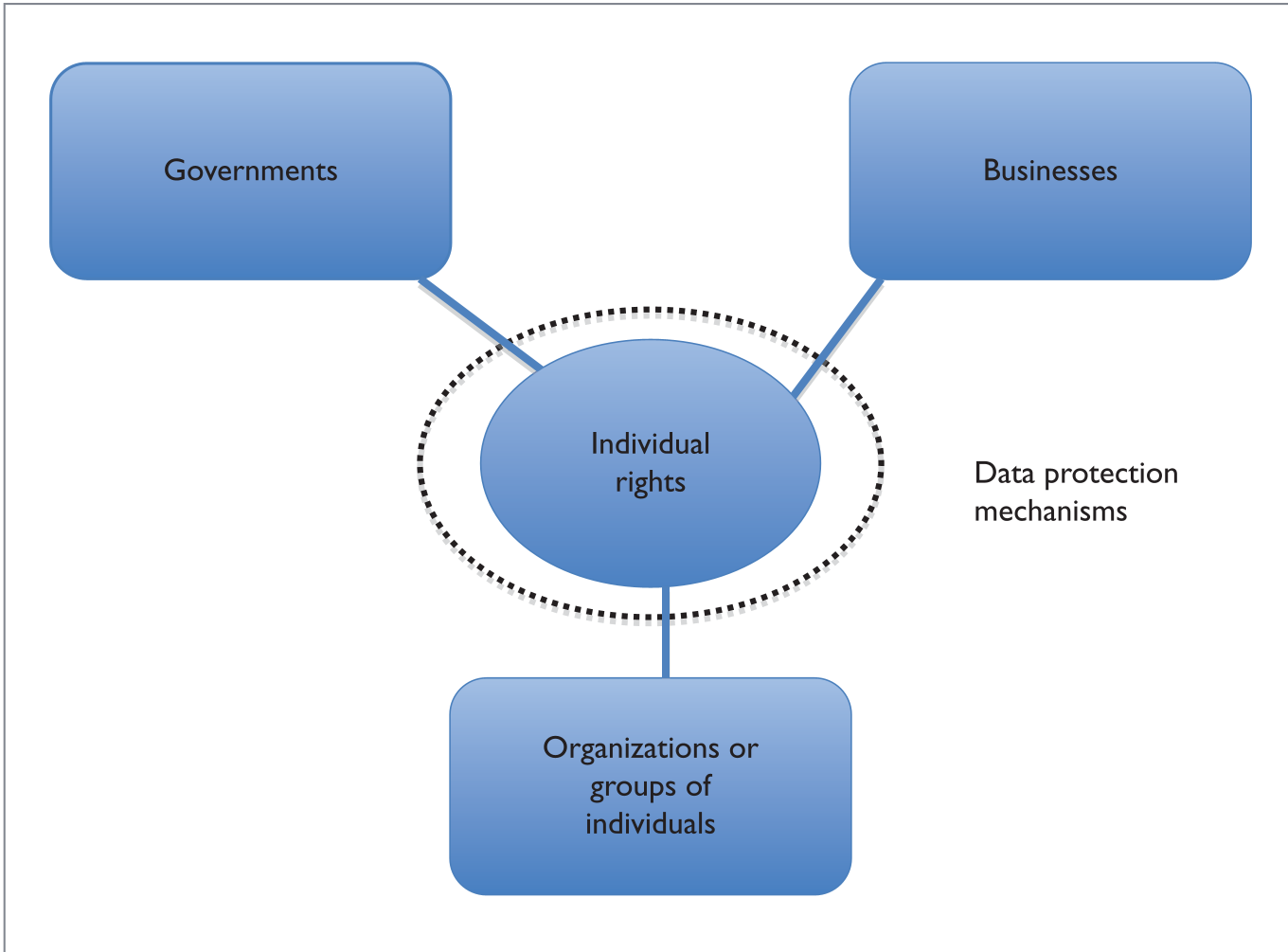 Figure 1: The ecosystem of actors and factors influencing privacy governance in cyberspace.
Key Results and Convergence
The paper notes an "interesting phenomenon of convergence." Despite the lack of a central global authority, data protection laws are starting to look similar worldwide.
- Economic Necessity: Cross-border data flows require interoperability; businesses favor standardized rules to reduce compliance costs.
- Technological Determinism: Because the same hardware (smartphones, routers) is used globally, the technical standards for privacy tend to harmonize naturally.
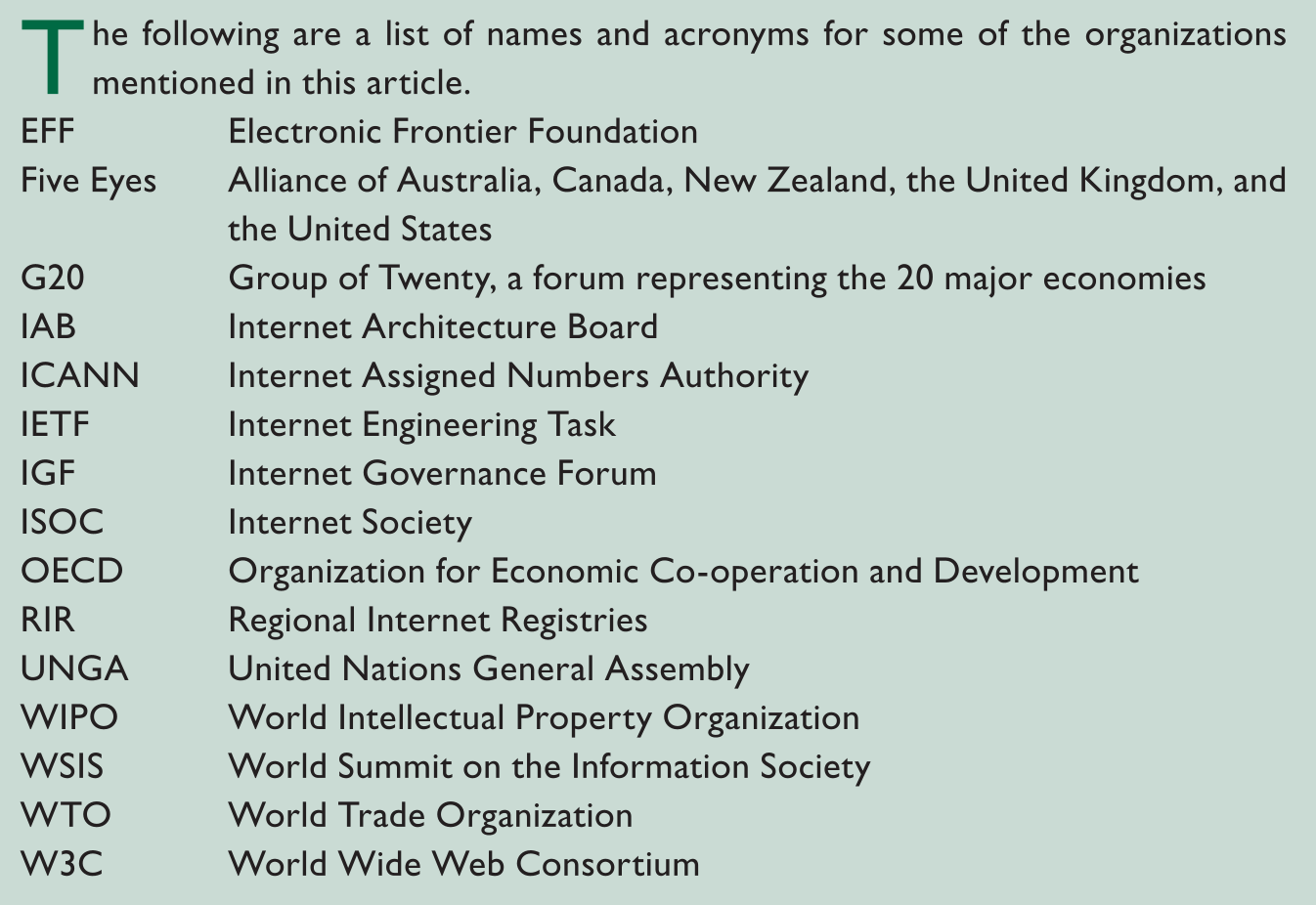 Table 1: The complex network of international organizations involved in digital governance.
Critical Insight: Informational Auto-Determination
The most profound shift discussed is the move toward Informational Auto-Determination. This is the power of the individual to manage the "fine-tuning" of their exposure to the world. Privacy governance is therefore not about building walls, but about building interfaces of control.
Conclusion and Future Outlook
The paper concludes that while a single "World Privacy Organization" might not exist, the growth of multistakeholder forums like the IGF (Internet Governance Forum) offers a path forward.
Limitations: The paper acknowledges that while "convergence" is happening, enforcement remains largely national and often lacks teeth when facing global tech giants or state-level surveillance.
Future Impact: For researchers and developers, the takeaway is clear: Privacy is a feature to be engineered, not just a legal hurdle to be cleared. As we move further into the era of AI and pervasive sensing, the "multistakeholder" dialogue will be the only way to prevent a total "end of privacy."