
Collective Intelligence in the Digital Era: Bridging Theory and Practice through Counter-Transposition
Professional Development with Digital Practices and Collective Intelligence
This paper investigates forms of collective intelligence and professional development within the French National Education system, specifically examining school nurses and librarian-teachers. Utilizing the "didactic counter-transposition" framework, it analyzes how digital tools—ranging from remote practice analysis workshops to professional blogging—facilitate the co-construction of knowledge and reflexive skills.
TL;DR
This research explores how digital practices—specifically remote supervision and professional blogging—foster collective intelligence among education professionals. By utilizing "didactic counter-transposition," the authors demonstrate how school nurses and librarian-teachers transform their daily "doing" into structured professional knowledge, effectively overcoming the challenges of "disembodied labor" in a post-pandemic landscape.
The Gap: From Disembodied Labor to Reflective Action
A perennial challenge in higher education and professional training is the disconnect between abstract theory and the messy reality of practice. The authors argue that this was exacerbated by the COVID-19 pandemic, which forced human professions (care, education, support) into a "disembodied" digital space.
Existing models often fail to account for the intersubjective relationship—the human connection—that is essential for professional growth. The study asks: How can digital tools be diverted from mere communication devices to become generators of collective intelligence?
Methodology: The Power of Counter-Transposition
The core theoretical engine of this paper is Didactic Counter-Transposition. Unlike traditional transposition (moving from scholarly knowledge to taught knowledge), counter-transposition works from the bottom up. It analyzes the "Doing," "Saying," and "Writing" of professionals in situ to identify emergent knowledge.
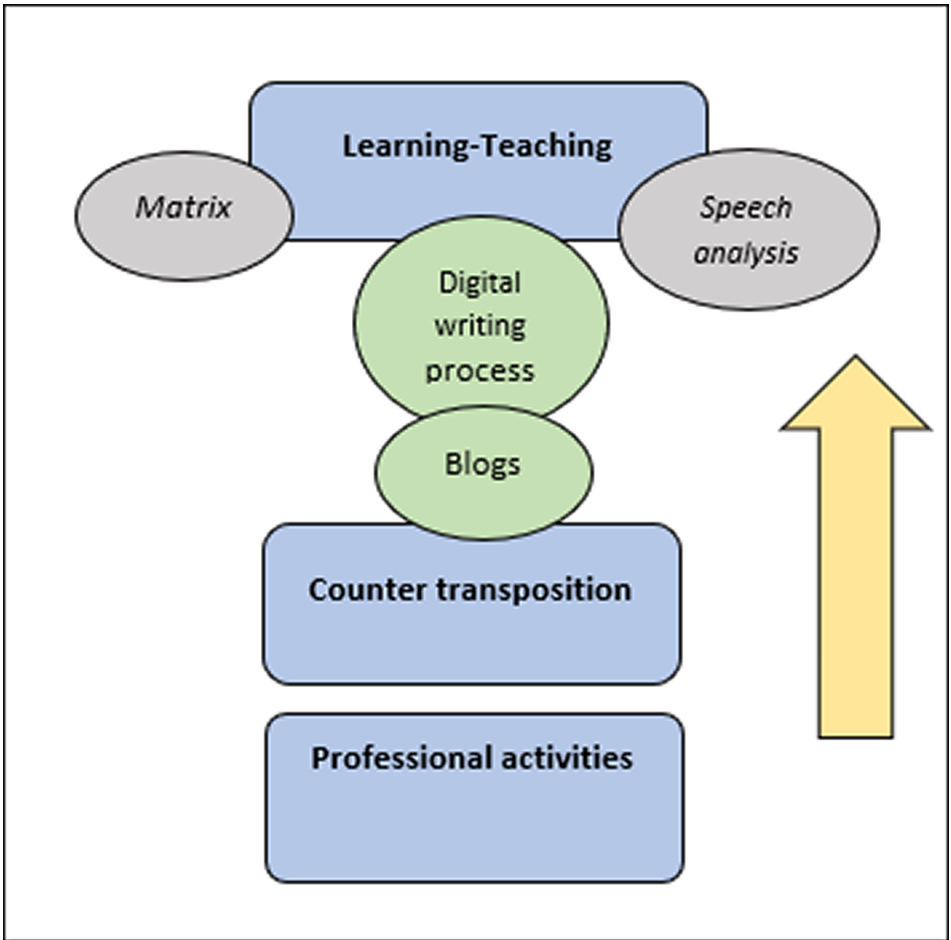 Figure 1: The process of didactic counter-transposition as applied to digital writing.
Case Study 1: School Nurses and Remote Supervision
During the 2020 lockdowns, supervision workshops for nurses were moved to digital platforms (Zoom, Teams, etc.). The study analyzed:
- Phoric Function: How digital tools support social and professional ties.
- Effective Thinking Indicators: The use of virtual "haylofts" (shared resource spaces) to bridge real-time practice with theoretical support.
- The "Disembodied" Barrier: Acknowledging that digital presence is a "quasi-avatar" of the self, requiring new strategies for sensory and thinking complexity.
Case Study 2: Librarian-Teachers and Professional Blogging
The authors reviewed 56 blogs to understand how "writing of oneself" leads to collective expertise.
- The Intimate vs. The Public: Blogs serve as personal logbooks that are simultaneously exposed to the professional community.
- Multimedia Reflection: The integration of videos, photos, and hyperlinks allows for a "return on action" that is more comprehensive than traditional text-only reports.
Critical Analysis & Results
The research highlights three major impacts of the digital writing process:
- For the Author: Writing adopts a reflexive attitude (pride, awareness, questioning).
- For the Community: Readers comment and validate experiences, creating an "echo phenomenon" between peers.
- For Training: Blog posts can be used as "fragments of reality" for university students to analyze, providing a bridge between the classroom and the field.
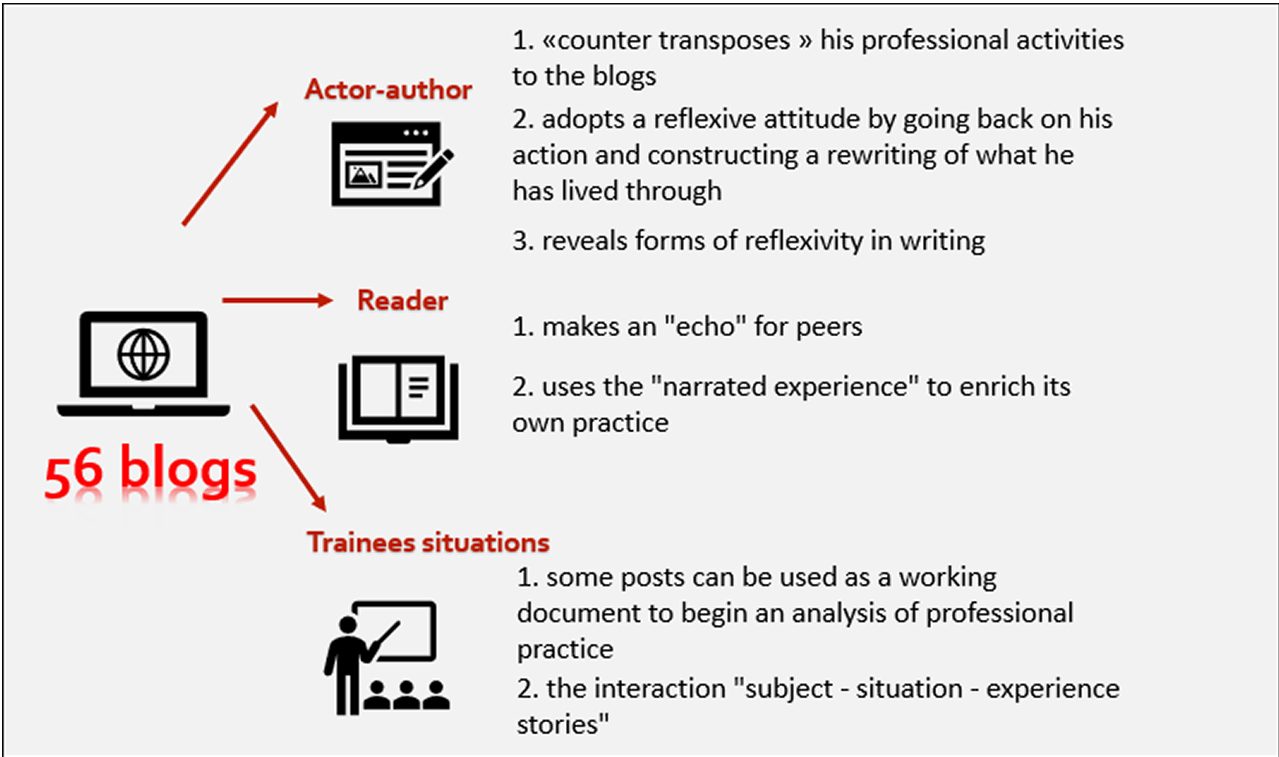 Figure 2: The organized impact of the digital writing process across personal, community, and training spheres.
Key Takeaway: The "Professional Archive"
The study concludes that blogs and remote workshops constitute a rich professional archive. This archive is not just a storage space; it is a dynamic environment where "co-elaborative intelligence" allows innovative practices to be identified and shared.
Conclusion and Future Outlook
The transition from an "incarnate presence" to a "virtual presence" does not have to result in a loss of professional development. By consciously adopting didactic engineering, education systems can transform digital footprints into scholarly knowledge.
Future Work: The authors suggest that the next step is determining the specific conditions under which these digital realizations definitively transform professional practice, moving from "narrated experience" to validated institutional knowledge.