
Professional Talent Evaluation System: Merging AI, Big Data, and Mobile Internet for Vocational Excellence
Design Idea of Professional Talent Evaluation System Based on Mobile Internet
This paper proposes a Comprehensive Professional Talent Evaluation System designed for higher vocational colleges, leveraging Mobile Internet, Big Data, and AI. The system integrates online learning, automated assessment, and offline training data to generate multi-dimensional talent reports with a 99.9% fault-free probability.
TL;DR
Higher vocational education is shifting towards data-driven assessment. This paper presents a specialized Professional Talent Evaluation System that utilizes mobile internet and AI to track student learning behaviors and practical skill acquisition. By integrating offline equipment data with online testing, the system provides a holistic, multi-dimensional report designed to boost student employability.
Background & Motivation: The Gap in Vocational Training
In many vocational colleges, assessment is often a binary "Pass/Fail" or a simple test score. This approach fails to capture the complexity of "vocational ability," which includes both theoretical mastery and hands-on operational skill. The primary challenge lies in:
- Inconsistent Data: Disconnect between classroom theory and workshop practice.
- Scalability: Difficulty in managing assessments across thousands of mobile users concurrently.
- Subjectivity: Lack of objective, quantitative metrics for employment recommendations.
The authors argue that a Mobile Internet-based architecture is the only way to facilitate flexible learning while using AI to process the resulting "Big Data" of student interactions.
Methodology: A Distributed Seven-Module Architecture
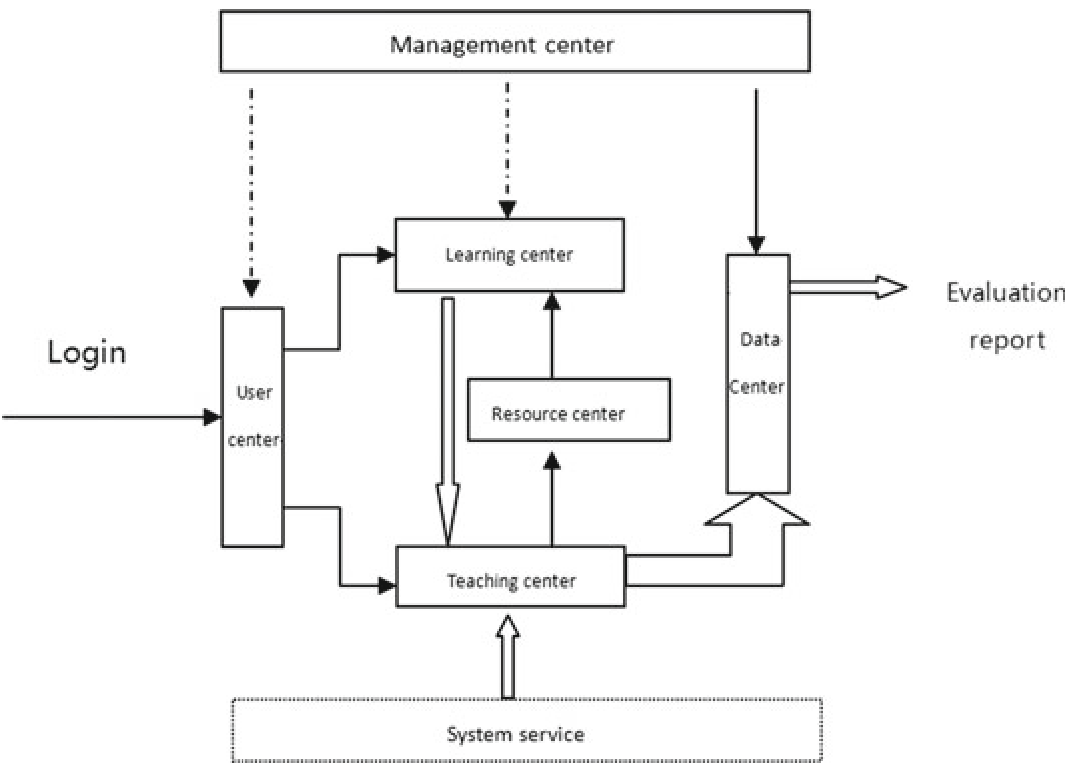
The system is built on a robust Java and MySQL foundation, organized into seven specialized centers. Unlike simple LMS (Learning Management Systems), this architecture prioritizes the Data Center and Teaching Center as the brains of the operation.
Core Framework
The system is divided into:
- User Center: Identity and personal training archives.
- Learning Center: The primary student interface for tasks and examinations.
- Resource Center: A multimedia repository for audio/video courseware and question banks.
- Teaching Center: Administrative tools for faculty to manage test paper generation and class tracking.
- Management Center: Global control over organizational structure and permissions.
- Data Center: The analytical engine that generates talent reports.
- System Service: Operational logging and API management.
The "Smart" Evaluation Logic
The "secret sauce" of this system is its ability to get through offline training equipment data interfaces. By pulling data directly from the machinery or simulation tools students use, the AI can correlate theoretical test performance with physical operational accuracy, creating the "Multi-Dimensional Evaluation Report."
Reliability and Security: 99.9% Availability
For a platform intended to serve as the backbone of a vocational college, uptime is non-negotiable. The authors implement:
- Redundancy & Hot Swapping: Every node is designed with backups to eliminate Single Points of Failure (SPOF).
- Multi-Level Optimization: Using JSON for lightweight data transfer and database caching to reduce I/O bottlenecks.
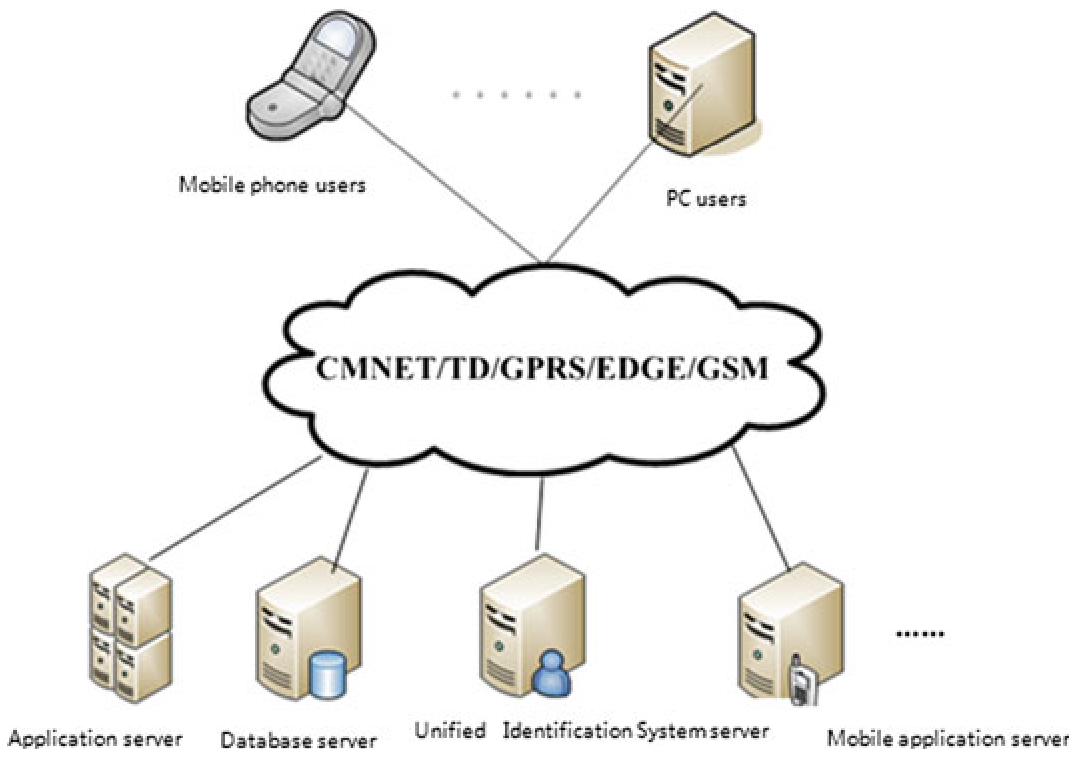
- Secured Authentication: A mobile-specific authentication agent that routes requests through internal school servers to prevent unauthorized data access.
Rigorous Testing: Ensuring Software Quality
The paper emphasizes a Test-Driven Development (TDD) approach. Instead of testing being an afterthought, it is integrated into the coding cycle:
- Unit Testing: Automated scripts ensure all components are functional before integration.
- Stress Testing: Simulates high-concurrency scenarios by restricting CPU and memory resources to identify performance bottlenecks.
- Functional (Black Box) Testing: Validates that the user experience aligns with educational requirements across diverse mobile devices.
Conclusion and Future Outlook
The Professional Talent Evaluation System represents a significant step toward "Informatization 2.0" in vocational education. By moving beyond traditional exams and embracing real-time data from offline training, colleges can produce candidates who are not just "certified," but truly "qualified."
Key Takeaways:
- Integration is Key: Connecting offline equipment to online databases is vital for vocational AI.
- Reliability Matters: Professional education systems require enterprise-grade redundancy (99.9% uptime).
- Data-Driven Employment: Multidimensional reports provide a competitive edge for students in the modern job market.