
Socially-Aware IoT: Redefining Device Sharing Through Social Graphs
Proposal of an Internet of Things Platform Using Social Graphs
This paper proposes a social-graph-based IoT platform that enables device owners to share functionalities with trusted users based on flexible conditions. By integrating SNS (Social Network Service) data and the MQTT protocol, the platform allows for granular control over device access beyond simple public/private binaries.
TL;DR
Most IoT platforms treat device sharing as a binary choice: it’s either private to the owner or public to the world. This paper introduces a paradigm shift by leveraging Social Graphs (like Facebook's) to create a nuanced "Social IoT" platform. It allows owners to share specific device functions with friends based on identity, time, and proximity, managed through an efficient MQTT-based architecture.
Context: The Limitations of "Siloed" IoT
Current IoT ecosystems are often "Siloed." If you own a smart camera or a specialized actuator, sharing its functionality with a neighbor or a colleague requires either sharing credentials or hoping the platform supports a guest mode.
The authors identify three critical gaps in current SOTA platforms (ThingSpeak, Xively, OpenSense):
- Rigid Management: They focus on simple sensors rather than complex, multi-functional devices.
- Binary Permissions: They lack "Identity elements"—the ability to say "only my Facebook friends can access this."
- Context Blindness: They don't account for when or where a user is when attempting to access a device.
The Core Insight: Utilizing Extant Social Trust
Why build a new social network for IoT when we already have them? The author's primary intuition is that trust is transitive. If I trust you on an SNS, I likely trust you to access my IoT device. By using SNS APIs as an "Identity Provider," the platform bypasses the need for manual user management.
The Methodology: A Three-Pillar Approach
The proposed architecture (implemented using Ruby on Rails and MQTT) rests on three pillars of management:
-
Hierarchical Device Management (MQTT Topics): Instead of managing a device as a single entity, the system uses MQTT topics to represent specific functions (e.g.,
Home/LivingRoom/Light/SensingvsHome/LivingRoom/Light/Control). This allows owners to share "Read-only" sensing data without sharing "Write" control permissions. -
Multidimensional Permissions:
- Identity: Uses the Social Graph to verify "friend of" status.
- Time: Sets TTL (Time to Live) or specific windows for access.
- Location: Implements geofencing, where a user must be within a certain radius to trigger a device function.
-
User-Initiated Authentication: Unlike static platforms, this system allows a "Request-Authorize" flow. A user can find a device and "apply" for access, which the owner can approve or deny via SNS messages.
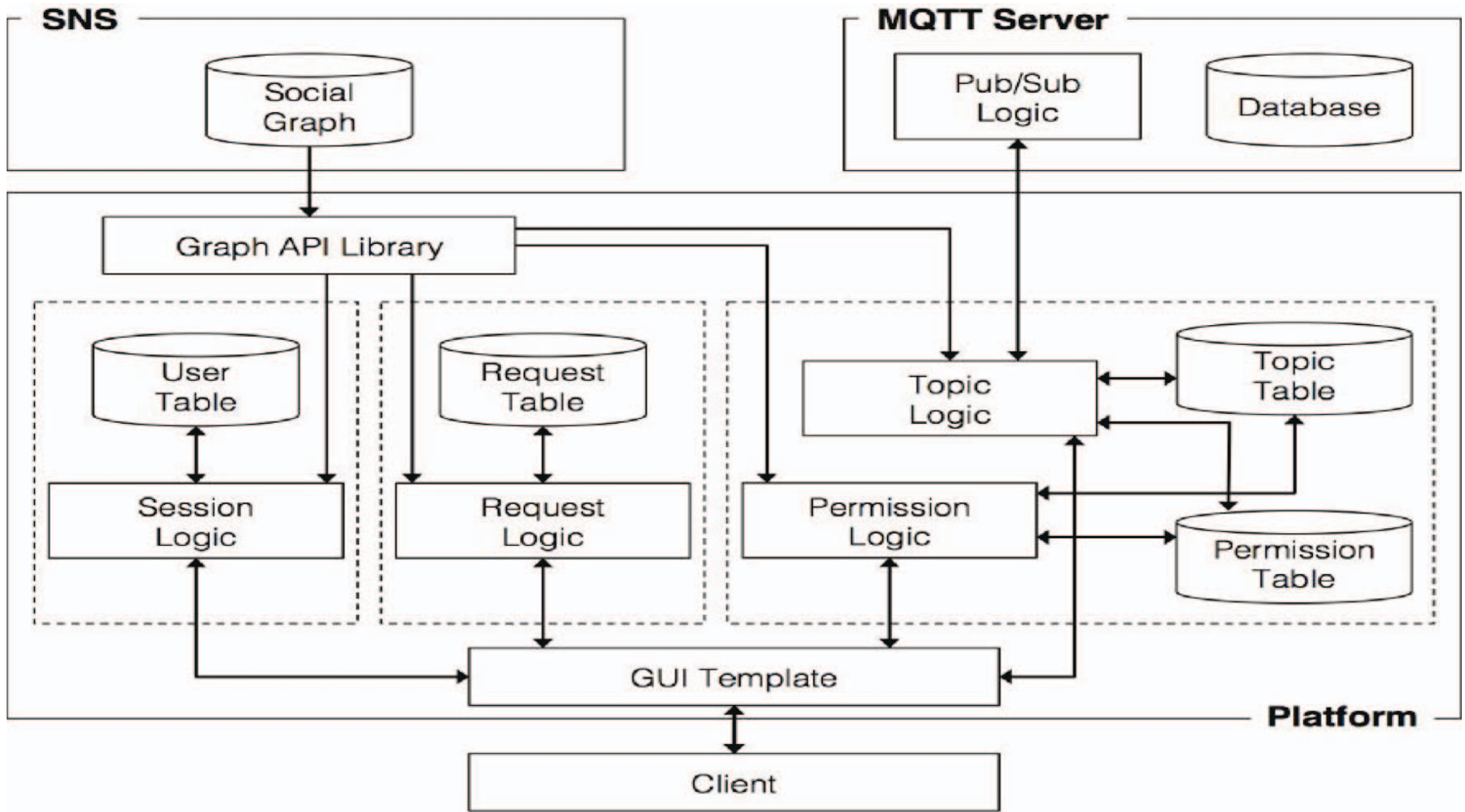 Fig 1. Overview of the Proposed System Architecture
Experimental Analysis: Expanding the Feature Set
The authors validated their approach by comparing the platform features against the industry standard benchmarks. While traditional platforms scored "X" (unsupported) for Time/Location features and User Authorization, the proposed system achieved full support across all categories.
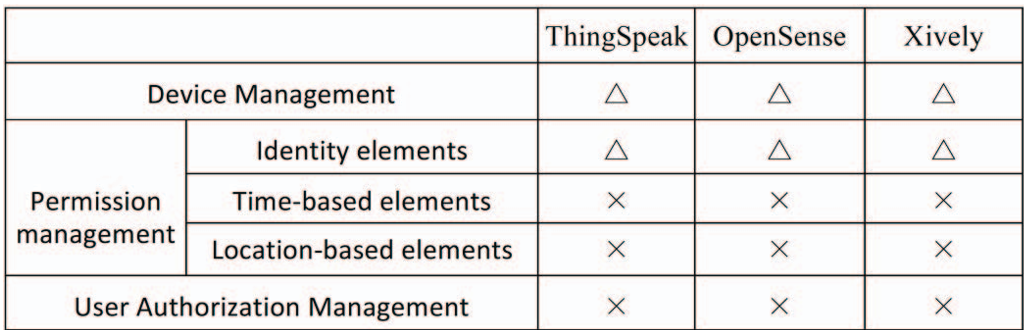 Table 1. Feature comparison showing the superiority of the proposed Social IoT platform over existing solutions.
Critical Insight & Future Outlook
This work represents an early but vital step toward the Social Internet of Things (SIoT).
Why it Works: By separating the "Communication Layer" (MQTT) from the "Social Layer" (SNS), the platform remains protocol-agnostic. It doesn't matter if the device is a smartphone or an industrial actuator; if it can talk MQTT, it can be socialled.
The Limitations:
- Privacy Paradox: Relying on external SNS (like Facebook) introduces a single point of failure and privacy concerns regarding how much social data the IoT platform harvests.
- Scalability of Trust: Managing hundreds of "friend requests" for device access might become a cognitive burden for the owner without an AI-driven policy engine.
Takeaway: The future of IoT isn't just about connecting "Things"; it's about connecting "Things" through the lens of human relationships. This paper provides the architectural blueprint for that transition.