
Social Media in Pakistan: The Double-Edged Sword of Digital Transformation
Prospects and challenges for social media in Pakistan
This paper examines the rapid growth and societal landscape of social media in Pakistan, identifying it as a pivotal tool for information sharing and political awareness. The study highlights Facebook's dominance and explores how infrastructure developments in broadband and smartphones have categorized Pakistan as the 5th largest mobile market in Asia.
TL;DR
The digital landscape in Pakistan is at a crossroads. While the country has emerged as a powerhouse for mobile connectivity and social platforms (reaching more people than traditional print media), it is simultaneously grappling with a vacuum in cyber-legislation. This paper explores the "prospects" of political awareness and "challenges" of rampant cybercrime, identity theft, and unethical propaganda.
Background Positioning
Unlike theoretical papers focused on algorithm optimization, this work serves as a Sociotechnical Situation Report. It charts a developing nation's struggle to synchronize rapid technological infrastructure (like 3G/4G/Broadband) with the necessary ethical and legal guardrails.
Problem & Motivation: The Accountability Gap
The authors identify a paradox: Pakistani netizens are highly literate in "using" social media for opinion-making but are insufficiently trained in "digital hygiene."
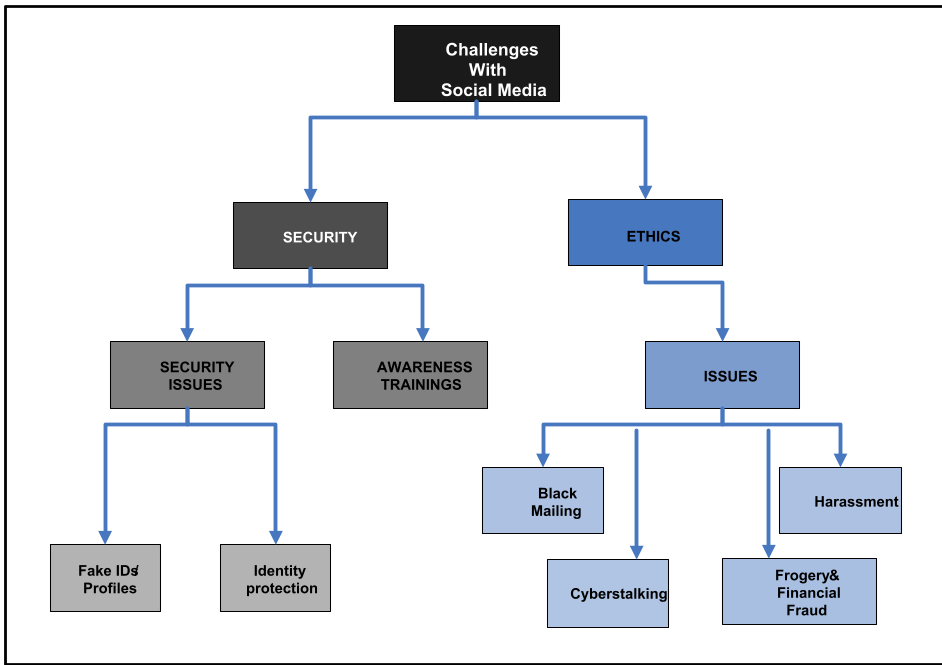
- The Ethics Crisis: Traditional respect-based communication is being eroded by anonymity, leading to caricatures of religious and political leaders that incite societal conflict.
- The Legal Void: While countries globally have categorized fake IDs and cyber blackmailing as punishable offenses, Pakistan’s laws were still categorized as "in the pipeline" during this study, leaving victims (especially celebrities and women) with little recourse.
Methodology: Mapping the Ecosystem
The researchers categorized social media usage into four primary silos: Marketing, Socialization, Education, and News/Information.
Infrastructure & Demographics
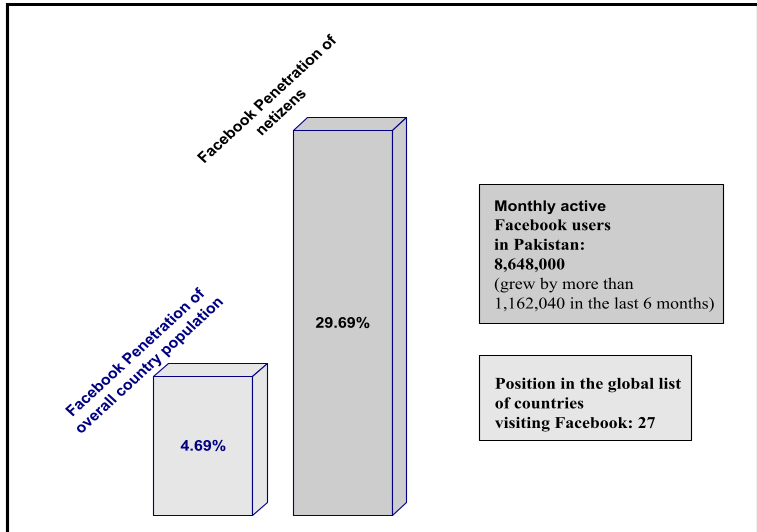
The paper highlights that with an adult population where 21% are active internet users, the reach of the internet has officially surpassed the 5% penetration of daily newspapers.
The hierarchy demonstrates how social media bridges the gap between entertainment and essential services like e-banking and online education.
Experiments & Results: The "Facebook" Factor
The core data emphasizes that Facebook is not just a social site but a primary news source and political battleground.
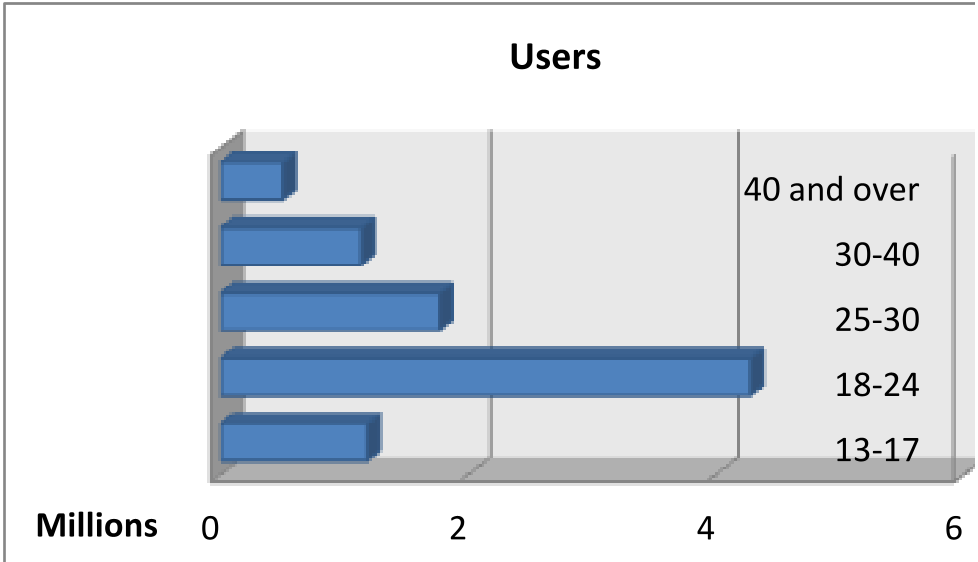
- Youth Dominance: The 18-24 age group is the most active, creating a "bubble" of young opinion-makers.
- Cyber Awareness Crisis: Despite the high usage, the Federal Investigation Agency (FIA) reports that 80% of complaints are cyberstalking-related.
- Identity Crisis: The creation of fake accounts for celebrities and judges has become a tool for misinformation, leading to "forgery and miscommunication until the victims clarifies their position."
Depth Insight: The Solution is Academic, not Just Technical
The paper’s most profound insight is that technology is not a defense against violence. The authors argue that security awareness training should not be seen as an "extravagance" (a luxury) but as a "compulsory element."
They advocate for:
- Academic Integration: Including social media ethics in university curricula.
- Identity Verification: Pushing platform owners to establish stricter requirements for user authenticity.
- Direct Government Interaction: Using social media as "social capital" to increase trust through transparency rather than just propaganda.
Conclusion & Outlook
The paper concludes that while social media provides a "positive revolution" for political awareness in Pakistan, the lack of "law and order" in the digital sphere threatens national stability. The future of Pakistan’s digital society depends on whether the government can move faster than the hackers and trolls currently exploiting the 25 million-strong user base.
Takeaway: Innovation without regulation is an invitation to chaos. For Pakistan, the next step isn't more technology—it's more accountability.