
Identity Angel: Guarding the Digital Self Against Identity Theft
Protecting job seekers from identity theft
This paper introduces Identity Angel, an automated system developed at Carnegie Mellon University designed to protect individuals from identity theft. By crawling the web and using filtered searching and entity detectors, the system identifies online resumes containing sensitive information (like SSNs and dates of birth) and notifies the subjects via email to mitigate fraud risks.
TL;DR
Identity Angel is a proactive security system that acts as a "benevolent crawler." It scours the internet for resumes containing Social Security Numbers (SSNs) and other sensitive data, then automatically notifies the owners of the risk. Developed by Dr. Latanya Sweeney at CMU, the project proved that targeted technology-driven warnings can convince over 90% of exposed users to secure their data, effectively blocking the primary pathway for credit card fraud.
The Invisible Threat: Why Your Resume is a Goldmine
For most college graduates, posting a resume online is a standard step toward employment. However, Dr. Latanya Sweeney reveals a dark irony: the very document meant to build a future can destroy it.
The core problem lies in identity infrastructure. In the US, a names, SSN, and Date of Birth (DOB) are often all a criminal needs to open a new credit card account. While victims aren't legally liable for the fraudulent charges, they "pay" through years of credit-repair hell, lost job opportunities, and even wrongful arrests. The situation is exacerbated by search engine caches and archives—once a resume is public, it is "eternally public."
The Logic of Identity Angel: How it Finds the Needle
Current search engines are built for keyword relevance, not for identifying specific document types like resumes. Identity Angel overcomes this using two distinct technical layers:
- Filtered Searching: Instead of just looking for the word "resume," the system analyzes the layout structure. Resumes have a unique visual signature—bulleted lists, specific headers, and a lack of narrative paragraphs. The system uses a predicate function to filter out "how to write a resume" articles and target actual CVs.
- Entity Detectors & Blackboard Architecture: Rather than using heavy NLP (Natural Language Processing), the system uses specialized "experts" (detectors) that look for specific patterns.
- SSN Detector: Looks for nine-digit strings or the 3-2-4 dash pattern.
- Contextual Clues: It checks for nearby anchor phrases like "SSN" or "Date of Birth."
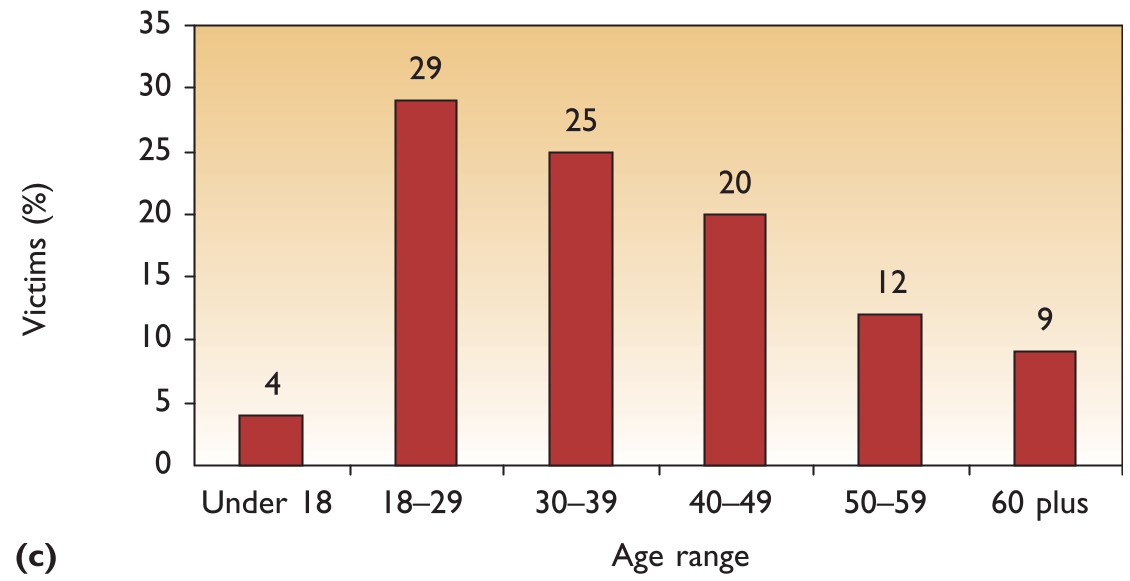 Figure 1: The rising tide of identity theft complaints and the high percentage of new account fraud.
Experiments in Benevolence
The research team tested the system by crawling the first 2,000 results for "resume" and "SSN" on Google.
- Extraction Accuracy: The entity detectors were remarkably precise, catching 100% of emails and DOBs in the test set.
- The "Nudge" Effect: The most vital part of the study was behavioral. Upon receiving a single email alert from Identity Angel, the majority of users took action. In one sample, 91% of people removed their SSN information within a month of notification.
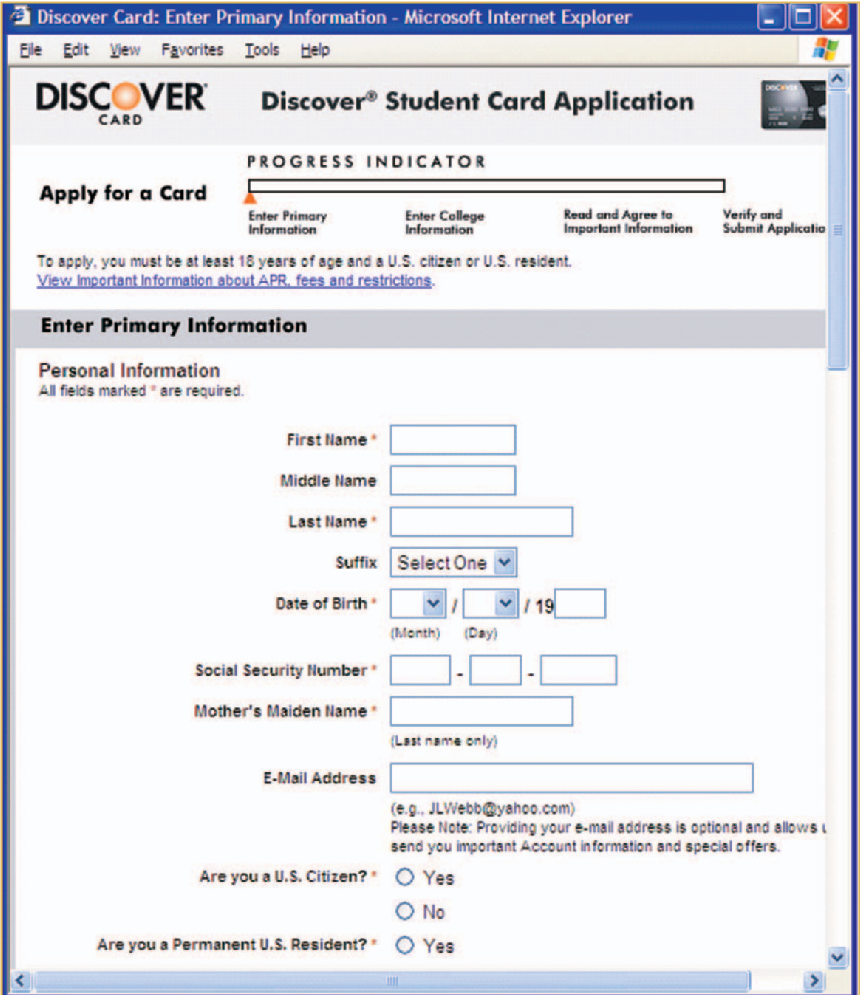 Figure 2: This image shows how little information is actually required to apply for credit—all of which can be found in a poorly scrubbed resume.
Critical Insight: Targeted Intervention vs. General Education
The takeaway for the tech industry and policy makers is profound. General privacy awareness campaigns often fall on deaf ears. However, targeted intervention—where a system says, "Your specific data is exposed at this URL"—creates an immediate psychological shift from apathy to action.
Limitations & The Path Forward
While Identity Angel is highly effective, it faces challenges:
- Scale: With millions of resumes online, the system requires significant bandwidth and "polite" crawling speeds.
- False Positives: Identifying dates (like graduation dates) as birth dates remains a minor technical hurdle.
Future Outlook
As we move into 2026 and beyond, the project aims to scale to thousands of notifications and provide a public "Privacy Review" portal where users can proactively scan their own documents before posting. In an era where data is the new currency, Identity Angel acts as a critical audit for our digital shadows.
Takeaway: Your digital identity is fragile. Technology like Identity Angel proves that while the web never forgets, it can be taught to forgive—if we let smart algorithms look out for us.