
Deciphering the Systemics of Direct Marketing: From Statistical Foundations to AI-Driven Targeting
Quantitative models for direct marketing: A review from systems perspective
2008-04-10
Summary
Problem
Method
Results
Takeaways
Abstract
This paper provides a comprehensive review of quantitative models for direct marketing from a systems perspective (Input-Processing-Output). Specifically, it evaluates statistical and machine learning methodologies, such as Neural Networks and Genetic Algorithms, and explores their effectiveness in customer profiling, targeting, and profitability optimization.
## TL;DR
Direct marketing has shifted from a "gut-feeling" business to a rigorous quantitative science. This review by Bose and Chen deconstructs the direct marketing pipeline into a systems engineering problem—**Input, Processing, and Output**. By comparing traditional statistical regressions with modern machine learning, the paper reveals why behavioral data is the "gold mine" of conversion and how hybrid models are currently setting the SOTA (State Of The Art) for profitability.
## The Core Intuition: Why Mass Marketing is Failing
The fundamental pain point in modern commerce is the noise-to-signal ratio. Mass marketing treats the population as a monolith. Direct marketing, instead, seeks "quantifiable marketing objectives" through personalized contact. However, the technical challenge lies in **Target Selection**: among millions of prospects, who is actually likely to respond? The authors argue that the solution isn't just "more data," but the *right* processing architecture to handle asymmetric losses—where the cost of losing a potential customer is far higher than the cost of a wasted postage stamp.
## Methodology: The Systems Perspective
The authors frame the direct marketing problem through an **Input-Processing-Output (IPO)** lens.
### 1. The Input: Behavioral vs. Demographic
Data is categorized into **External** (who the customer is) and **Internal/Behavioral** (what the customer does).
* **RFM (Recency, Frequency, Monetary)** variables are the cornerstone of the "Processing" stage.
* **The Insight**: Behavioral history (even a single transaction) is a better predictor of future purchase than any socio-economic proxy.
### 2. The Processing: The Battle of Algorithms
The paper pits two worlds against each other:
* **Statistical Models (Logit, Probit, Tobit)**: These provide high **interpretability**. You know exactly *why* a customer was selected based on the coefficients.
* **Machine Learning (ANN, SVM, Genetic Algorithms)**: These offer superior **non-linear mapping**.
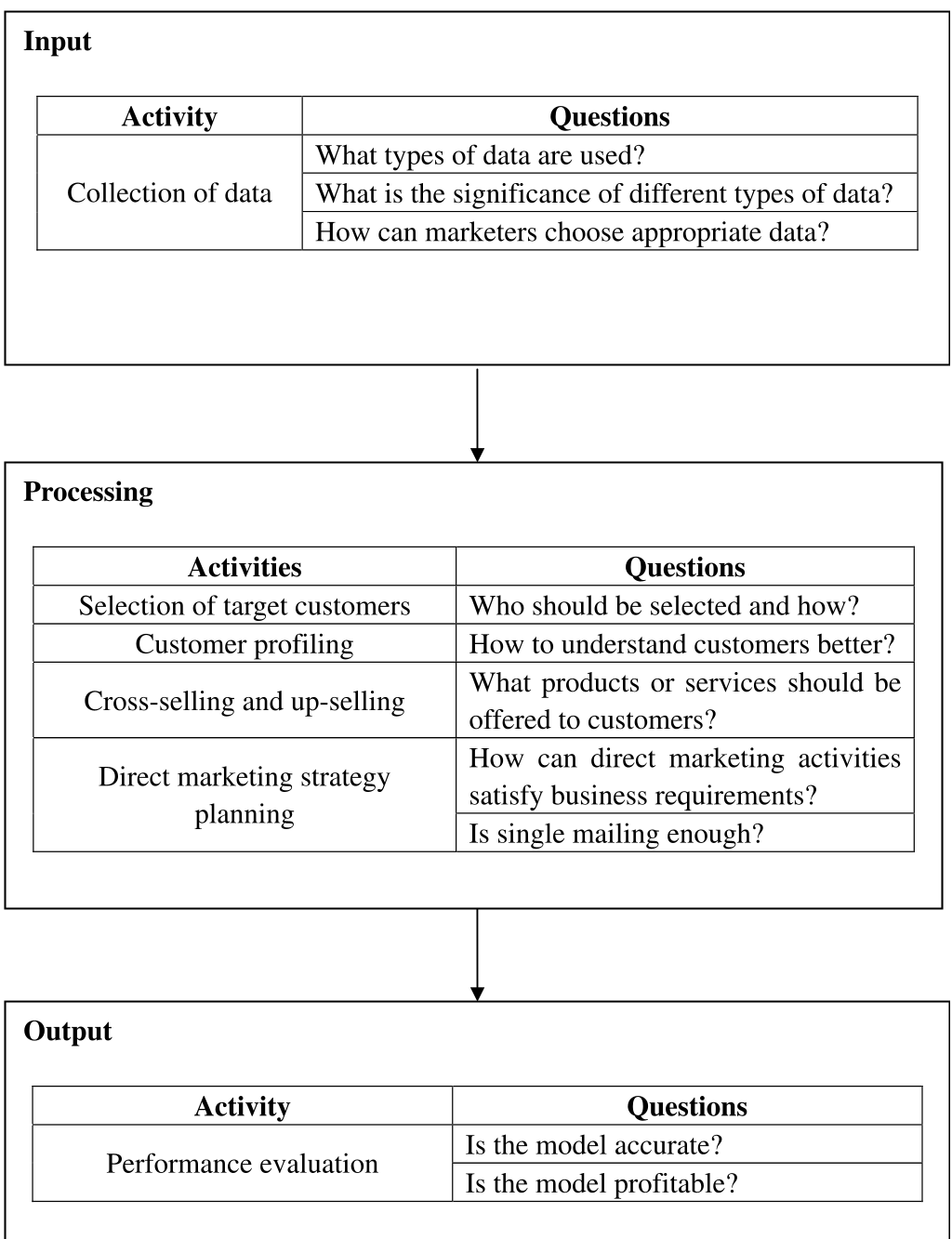
*Fig 1: The activities within a systems view of direct marketing.*
## Experiments & Results: What Actually Works?
The review synthesizes several years of empirical Evidence:
* **Non-Linearity Wins**: Artificial Neural Networks (ANN) are the most popular for a reason; they consistently outperform Logit models in "top-decile" targeting—crucial for restricted budgets.
* **Hybridization**: The most effective systems are **Ensembles**. By combining Logit (stability) with ANN (sensitivity) and Decision Trees (categorical handling), marketers can significantly reduce misclassification.
* **Profitability over Accuracy**: Accurate classification (PCC) is misleading. The paper emphasizes **Lift Curves** and **ROC Curves** as the true measures of success.
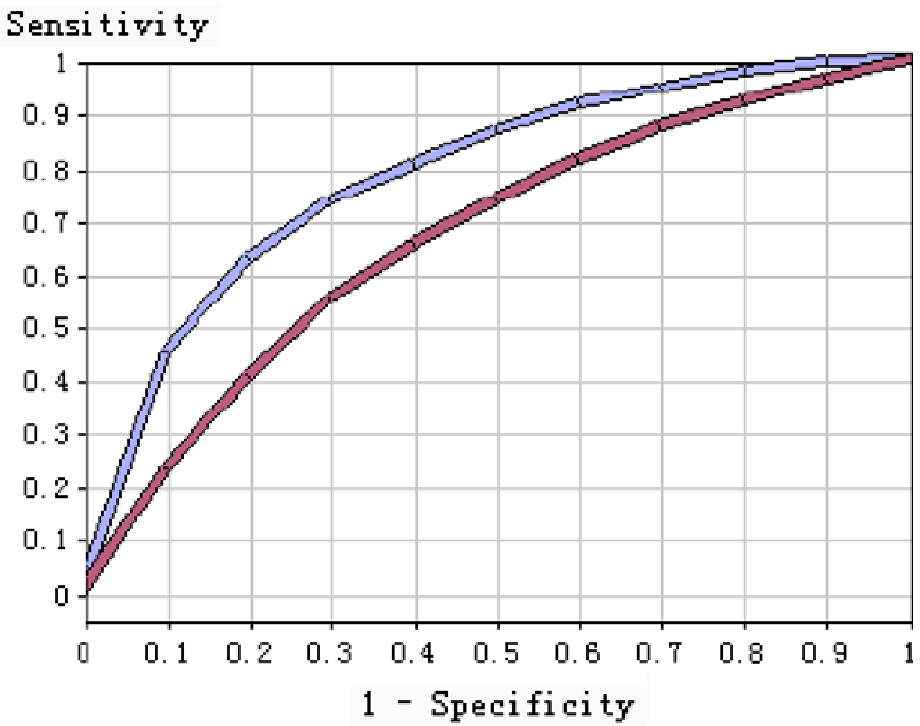
*Fig 2: A lift curve showing the improvement over random targeting.*
## Critical Analysis & Future Directions
While the paper solidifies the IPO framework, it highlights a major gap in **Scalability**. "Toy" problems on small datasets rarely translate to the terabytes of data held by firms like Wal-Mart.
**Key Limitations Noted:**
* **Up-selling Gap**: Current recommendation systems are excellent at Cross-selling (items you might like) but struggle with Up-selling (premium versions of what you have).
* **Data Prep**: There is a lack of competitive evaluation for data cleaning/imputation techniques in marketing.
**The Takeaway for the Future**: We are moving toward **Comparative Direct Marketing**. In an era where customers compare prices instantly, models must account for "comparative shopping engines" and internalize competitor behavior into the targeting logic. If you aren't using hybrid evolutionary-neural architectures to optimize for **Long-Term Value (LTV)**, you are likely leaving significant margin on the table.