
Decoding the Fine Print: The Literacy Gap in Social Media Policies
Readability Assessment of Policies and Procedures of Social Networking Sites
This study evaluates the readability of Terms of Service (ToS) policies across 20 major social networking sites using standardized linguistic metrics. The research reveals that most policies are written at an academic level far exceeding the average user's comprehension, specifically targeting college-level literacy.
TL;DR
Social networking sites are built on "participation," yet the rules of engagement—their Terms of Service (ToS)—are virtually unreadable to the average person. This study analyzes 20 major platforms and finds that the majority require a college-level education to understand, creating a significant barrier to informed consent, especially for teenagers and the average adult reader.
Background Positioning
In the landscape of User Experience (UX) and Human-Computer Interaction (HCI), this work serves as a critical audit of transparency. It moves beyond the "what" of privacy (data types collected) to the "how" of accessibility (linguistic complexity), identifying a systemic failure in how digital social contracts are communicated.
The "Transparency Gap": Why We Just Click "Accept"
The motivation behind this research is rooted in a stark disparity: while 82% of online teens and over 50% of adults use social networks, the average U.S. adult reads at a 7th-grade level. Prior studies show it takes users approximately 35 minutes just to locate and analyze a standard privacy policy—a burden that leads most to view default settings as "authoritative recommendations" rather than choices.
The author posits that this complexity isn't just a nuisance; it's a structural barrier that prevents vulnerable populations—students and non-college-educated adults—from understanding their digital rights.
Methodology: Measuring Complexity
To quantify "unreadability," the study applied four major linguistic indices to policy text:
- Flesch Reading Ease (FRES) / Grade Level (FGL): Analyzes sentence length and syllable count.
- Gunning-Fog & SMOG: Focuses on the density of "complex" words (3+ syllables).
- Coleman-Liau (CL): Uses character counts to avoid the pitfalls of syllable estimation.
The author curated 20 sites from the Alexa Top 500, focusing on platforms popular in academic and social contexts (e.g., Facebook, Twitter, LinkedIn, Wikipedia).
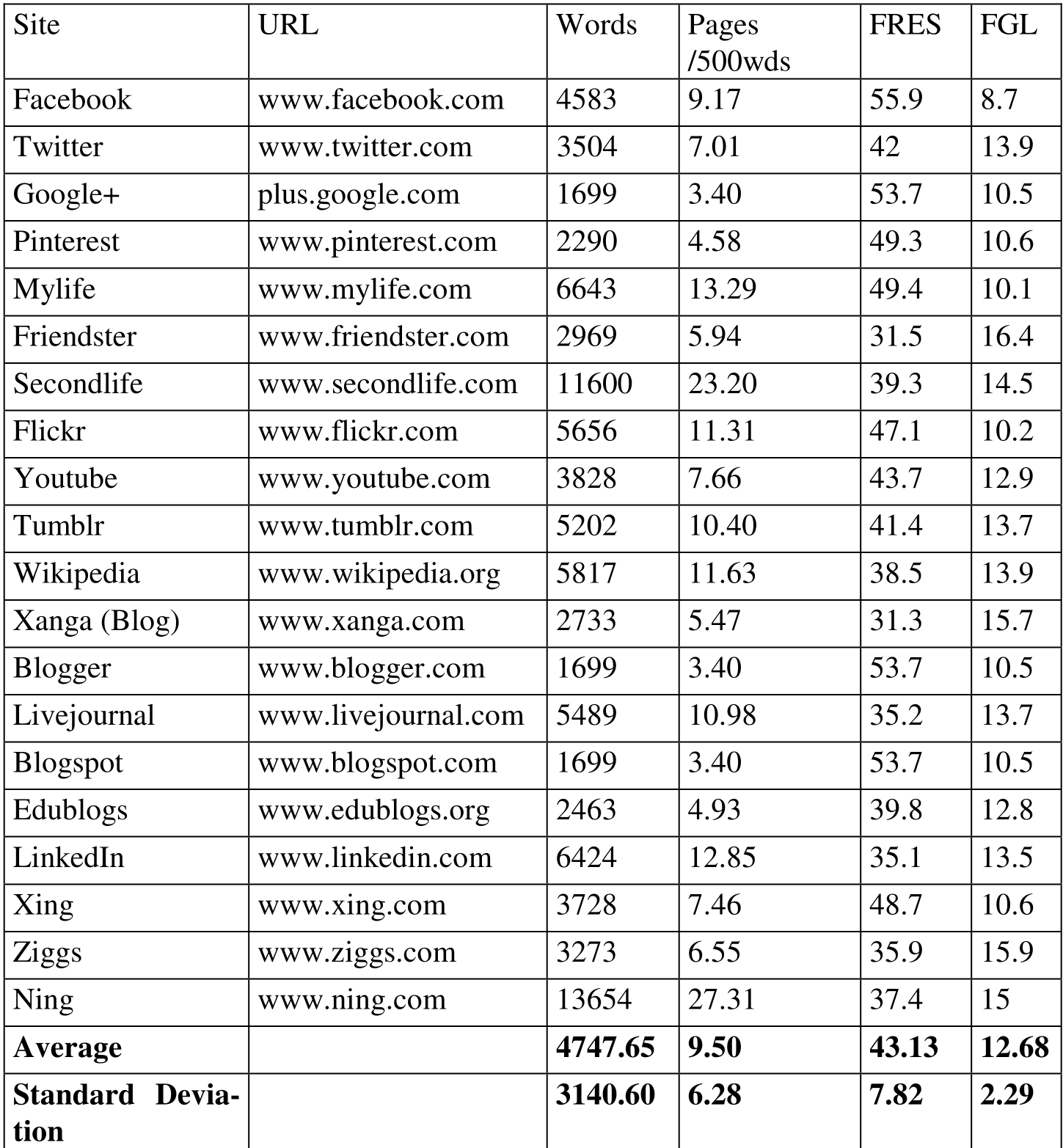 Table 1 illustrates the sheer length of these documents, averaging 9.5 pages of single-spaced text.
Key Findings: The College-Level Barrier
The results confirm the "ivory tower" nature of social media legalities:
- The College Threshold: 55% of policies require a college-level reading ability.
- The Facebook Exception: Facebook was the most "readable" (9.8 average grade level), though it made up for this with a highly complex internal linking structure.
- The Worst Offenders: Sites like Friendster and Ziggs require a post-graduate level of literacy (Grade 15+), effectively making them unintelligible to the vast majority of their users.
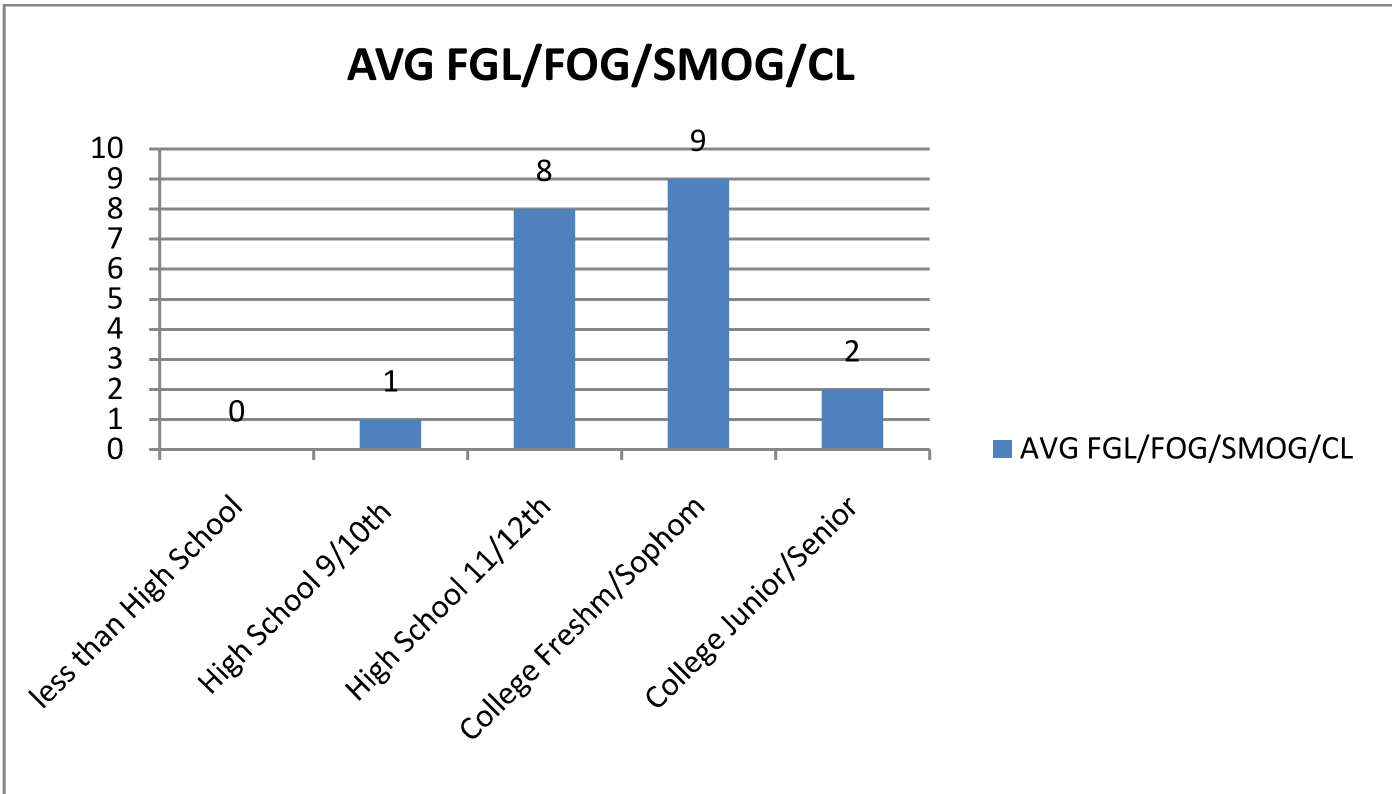 Figure 1 shows that nearly no site offers a policy readable at a high school freshman level or below.
Critical Insight: A Call for HCI Innovation
The core takeaway is that the "Terms of Service" are not designed for the user; they are designed for legal protection. To fix this, the author suggests that the HCI community must lead the transition from static, dense HTML pages to multi-modal interfaces.
Proposed Solutions:
- Configuration Presentation: User-selectable formats such as audio summaries or visual infographics.
- Modularization: Allowing users to digest "bite-sized" chunks of policy during the onboarding process rather than a 27-page wall of text.
- Policy Generators: Standardized tools to help site owners output "plain English" versions of their rules.
Conclusion
This paper highlights a fundamental flaw in the Web 2.0/3.0 paradigm: we have democratized content creation but gatekept the legalities behind it. As social media becomes more integrated into higher education, the inability of students to comprehend their own data rights is no longer just a usability issue—it is an educational and ethical one.
Limitations: The study focuses on 2012-era platforms; a modern replication would likely show even greater complexity given the rise of GDPR and CCPA regulations, which have increased the length of legal disclosures.