
The Smart Bookmark: Bridging Physical Books and Social Habit Development
A Reading History Logger for Supporting Reading Habit Development
The paper introduces a "bookmark-style reading history logger" designed to facilitate reading habit development via a social networking platform. By integrating a CdS optical sensor, PSoC microcontroller, and Eye-Fi SD card, the device automatically records and uploads reading timestamps to photo-sharing sites to enable peer mentoring.
TL;DR
Reading habits are notoriously difficult to build because the act of "logging" often kills the joy of reading. This paper presents a novel bookmark-style logger that uses optical fibers and Eye-Fi technology to automatically track when you open and close a physical book. By turning reading sessions into digital heartbeats sent to a social network, it enables peer mentoring without forcing the user to lift a finger for data entry.
Background: The Friction of Manual Logging
In the realm of self-directed learning, "what gets measured gets managed." However, for paper media—which lacks the built-in telemetry of a Kindle—tracking reading habits is a manual chore. The authors argue that manual recording is a "big burden" that actively sabotages the very habit it tries to support. Their goal was to create a device with zero operational overhead that integrates into the social fabric of a Peer Mentoring system.
The "Why": Why Peer Mentoring Matters
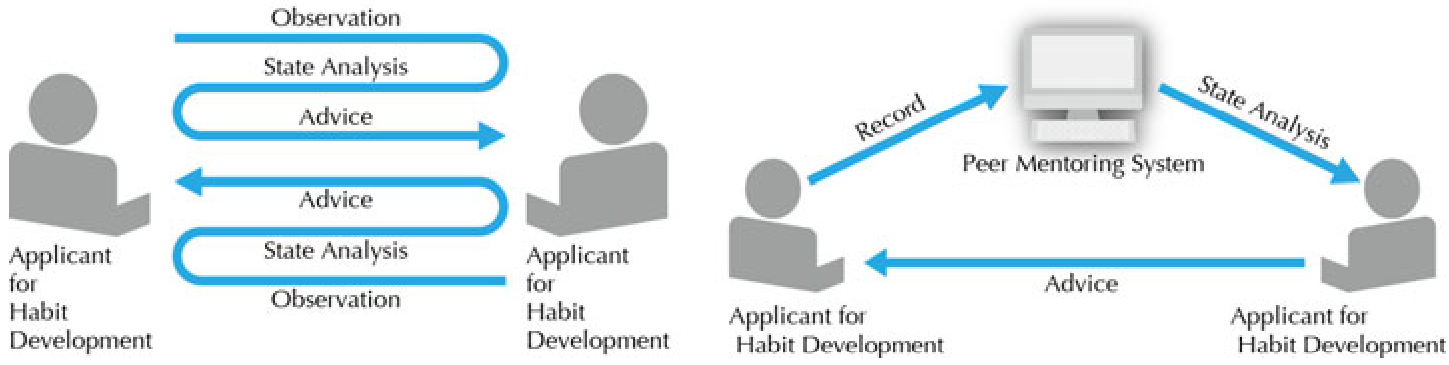
The researchers lean on the interaction-centered model of motivational design. They posited that seeing a familiar person's progress maintains early-stage motivation. However, automated "bot" messages lack warmth. To facilitate human advice, the system needs to know exactly when a partner is reading or stalling.
Methodology: How a Bookmark Talks to the Cloud
The brilliance of this hardware lies in its "invisible" integration.
1. Hardware Architecture
The device utilizes a CdS cell (optical sensor) connected to a bundle of optical fibers. These fibers are thin enough to be tucked between pages without damaging the spine or obstructing the reader.
- Book Closed: No light enters; the device stays idle.
- Book Opened: Light hits the fiber; the PSoC microcontroller triggers a "Start" timestamp.
2. The Eye-Fi Workaround
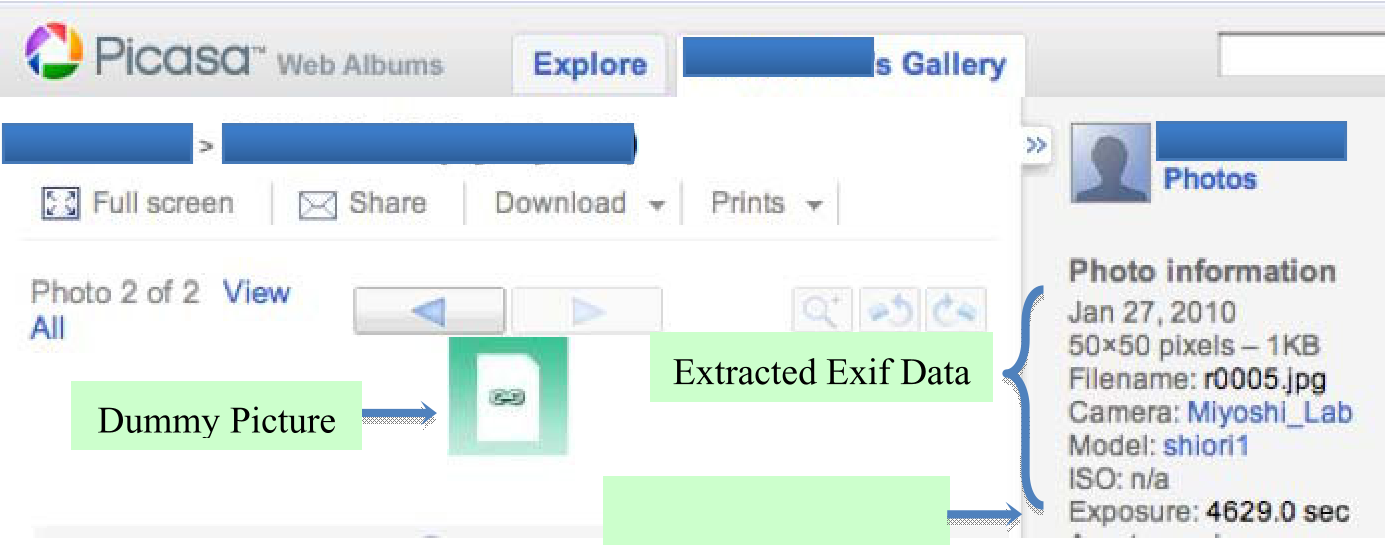
Because the prototype was built in an era where Wi-Fi modules were bulky, the authors used an Eye-Fi SD card. These cards were designed to upload photos automatically. To "hack" this for data, the device:
- Generates a dummy picture.
- Embeds the timestamp in the Exif metadata (the same place cameras store ISO or shutter speed).
- Uploads the dummy file to a photo-sharing site.
- The Social Networking Site (SNS) then scrapes the web feed, extracts the Exif data, and logs the reading time.
Experimental Validation
The prototype confirms that the "Reading History Logger" functions as a passive sensor. The system successfully captured the Who and When—the two most critical variables for confirming habit adherence. By using existing photo-sharing infrastructures as a "data bus," the researchers proved that high-level social features (like peer mentoring notifications) could be triggered by physical book usage.
Critical Insight & Future Outlook
While the current prototype is somewhat bulky (as seen in the fiber bundle design), the core insight is timeless: Habit-forming tools must be ambient.
Limitations
- Content Blindness: The device knows when you read but not what or how much (pages).
- Hardware Form Factor: The current prototype is still "tucked" rather than "integrated."
The Future of Lifelogging
The authors suggest that this "Eye-Fi style" data logging—embedding data into standard media formats to bypass complex protocol development—could be used for broader lifelogging applications. In today's context, this could evolve into ultra-thin, BLE-enabled (Bluetooth Low Energy) bookmarks that sync directly with smartphone apps, further reducing the friction between the physical page and the digital community.
Conclusion
This work represents an early and creative attempt to solve the "analog-to-digital" gap in education technology. By treating a bookmark as a sensor, it transforms a lonely activity into a socially-supported habit.