
Reference Architecture: Fusing Social Media Intelligence with Predictive Maintenance
Reference Architecture framework for enhanced social media data analytics for Predictive Maintenance models
This paper proposes a Reference Architecture framework that integrates heterogeneous Social Media data with traditional IoT and internal service data to enhance Predictive Maintenance (PM). By utilizing Microsoft Azure Machine Learning and Power BI, the authors introduce a centralized "PM Cockpit" and the "First Time to Incident" (TTFI) algorithm to improve forecasting precision for product failures.
TL;DR
Predictive Maintenance (PM) is evolving beyond simple sensor monitoring. This paper introduces a Reference Architecture that treats Social Media as a "social sensor," fusing unstructured human sentiment with structured IoT data. By building a PM Cockpit, companies can identify product defects earlier, improve R&D, and reduce service costs through a new metric: Time to First Incident (TTFI).
Problem & Motivation: The Missing Social Link
Current PM models operate in a vacuum of machine data. While sensors can tell us when a voltage drops, they cannot capture the tacit knowledge of a heavy user who notices a weird sound and posts about it on a forum weeks before a failure occurs.
The authors argue that the B2C sector—specifically power tool manufacturers—is rich with untapped social data. The pain point is that this data is heterogeneous, noisy, and disconnected from internal CRM systems. Existing research has lacked a standardized framework to bridge the gap between "human-made" data and "machine-generated" data.
Methodology: The PM Cockpit Architecture
The authors utilize a structured approach based on the ANSI-SPARC architecture, ensuring a clean separation between external data sources, internal logic, and the end-user interface.
1. Data Pipeline
The workflow is organized into four distinct modules:
- Capturing: Uses Microsoft Social Engagement for social networks and WebHarvey for scraping Amazon/Google reviews.
- Preprocessing: SQL-based cleansing (removing HTML/Stop words) and normalizing text to lower-case for better algorithmic efficiency.
- Identification & Sentiment: Differentiating between "Product" and "Seller" feedback using SentiWordNet to assign polarity (Positive/Negative/Neutral).
2. The Analytical Core
The most critical part of the framework is identifying the cause-effect relationship. If Social Media mentions of "overheating" spike, the system looks for corresponding "swings" in mechanical IoT data.
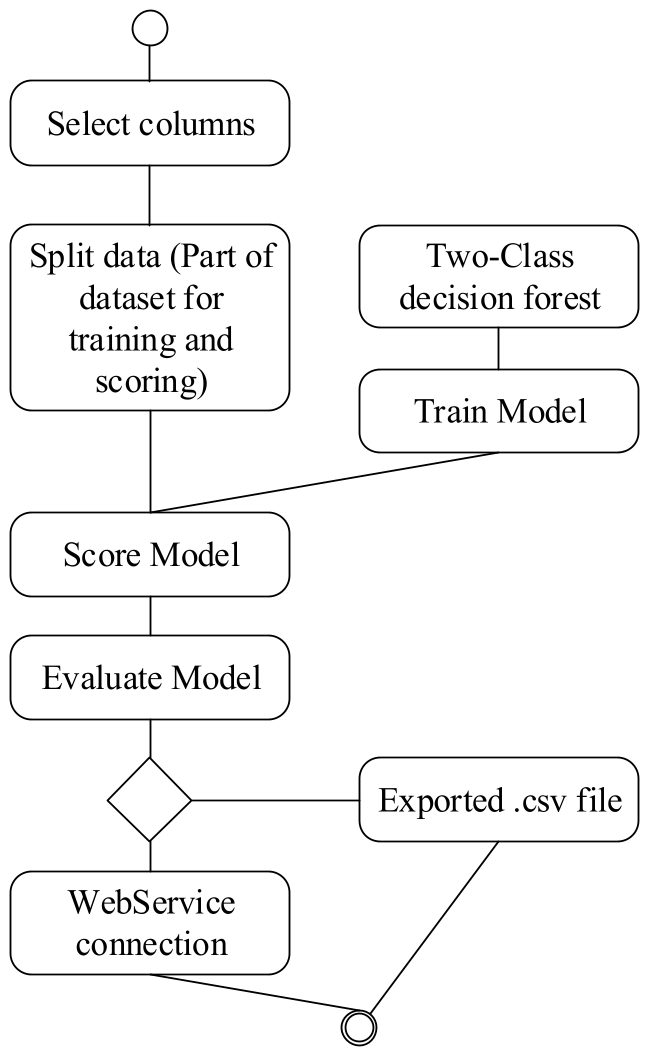 Fig 8: The PM Cockpit architecture showing the flow from external sources to the end-user application.
Experiments & Results: Validating the "Social Sensor"
Focused on a German power tool producer, the study analyzed data from 2017 to 2019. The authors utilized Azure Machine Learning Studio to run clustering and sentiment algorithms.
Key Findings & Hypotheses:
- Sentiment vs. Rating Paradox: Often, a review has a high "star rating" but the actual text sentiment is negative, revealing hidden issues that traditional rating-based filters miss.
- Negative Sentiment & Word Count: There is a direct causality where negative reviews tend to be longer (higher word count), providing more detailed diagnostic information for service teams.
- Predictive Indicators: A "critical mass" of negative posts reliably precedes a surge in official service cases.
New KPIs for Service Excellence:
- PoRe-Div: Number of Social Media posts divided by reviews. A high value is a red flag for product stability.
- TTFI (Time to First Incident): A mathematical calculation combining purchase date, social sentiment, and mechanical failure rates to predict the first service event.
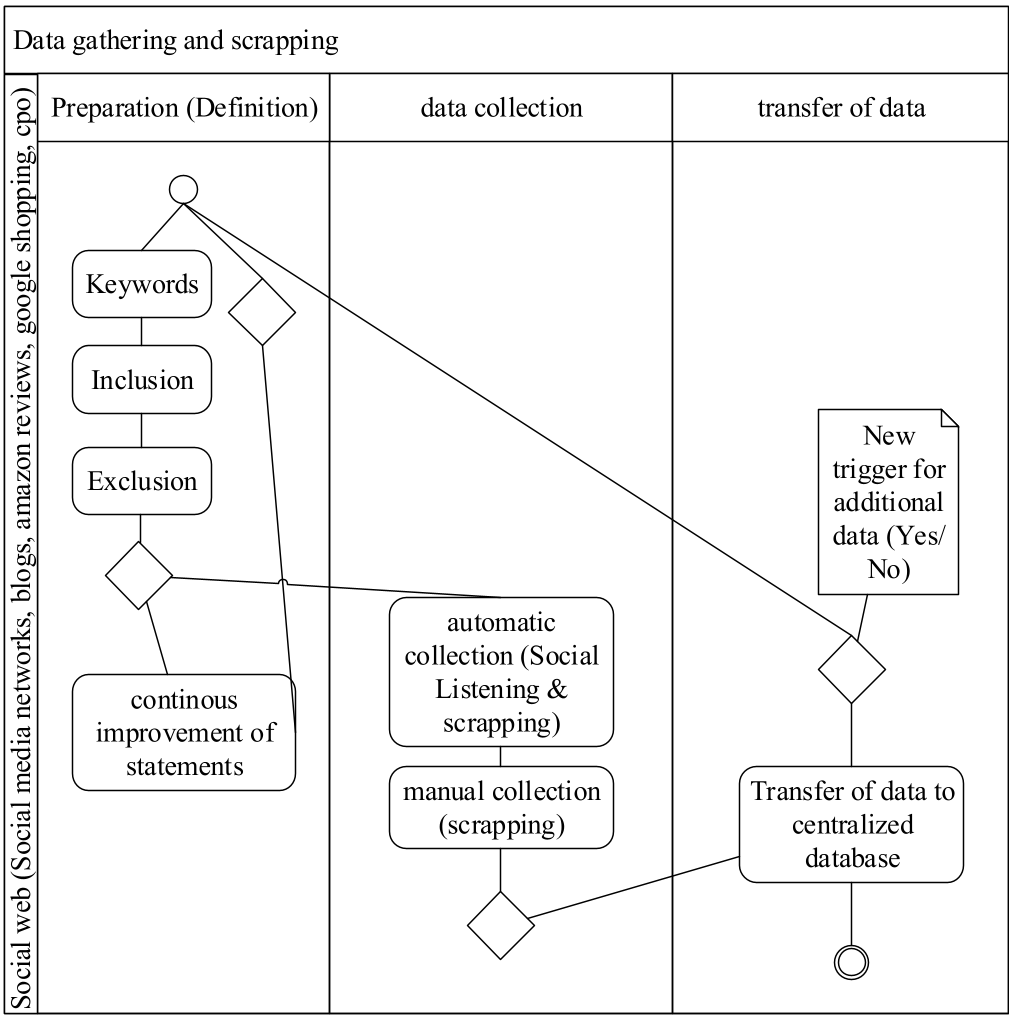 Fig 5: UML diagram of the rigorous data-preprocessing steps required to convert social noise into analytical signals.
Critical Analysis & Conclusion
This work provides a robust blueprint for companies wanting to move from Reactive to Proactive service.
Limitations:
- Data Privacy: The authors rightly point out that EU-GDPR regulations pose a significant hurdle for personal data processing in cloud environments.
- B2B Complexity: While effective for consumer power tools (B2C), gathering sufficient social data for niche B2B industrial machinery remains difficult.
Final Takeaway:
The Reference Architecture demonstrates that social media is not just for marketing—it is a critical diagnostic tool. By tracking the "Social Lifecycle" of a product alongside its mechanical lifecycle, companies can achieve a truly holistic Predictive Maintenance strategy.