
Designing for Trust: Which Privacy Guidelines Actually Matter in Ambient Health Care?
On the relative importance of privacy guidelines for ambient health care
This empirical study evaluates the relative importance of OECD privacy guidelines for end-users within an Ambient Health Care context. By utilizing pairwise comparisons of "privacy fixes" in a diabetic monitoring scenario, the researchers identified that <b>Insight</b> and <b>Openness</b> are prioritized by users over <b>Data Modification</b> and <b>Data Quality</b>.
CL;DR (Core Logic; Didn't Read)
In the world of Ambient Intelligence (AmI), "Privacy" is often treated as a regulatory checkbox. However, this study reveals that users don't value all privacy protections equally. In a health-monitoring context, being able to see your data (Insight) and knowing who else sees it (Openness) is significantly more important to users than being able to change that data (Modification). In fact, the ability to modify medical records is viewed with suspicion, as it may compromise the integrity of the health service.
The "Big Brother" Motivation
As we move toward homes filled with ambient sensors—tracking our glucose, heart rate, and movements—the fear of an Orwellian "Big Brother" state grows. Developers typically respond by adopting Fair Information Practices (FIPs), specifically the OECD Guidelines. But do users actually care about the legal nuances of "Data Quality" or "Collection Limitation"?
The authors argue that unless these privacy features are usable and understood by the end-user, they essentially do not exist. This paper seeks to move beyond legal theory into empirical HCI (Human-Computer Interaction).
Methodology: The "Heads-up" Comparison
To measure preference, the researchers didn't just ask "Is privacy important?" (to which everyone says yes). Instead, they used a pairwise comparison method:
- The Deviant Scenario: A system was described that violated all OECD norms (e.g., it doesn't tell you what it collects, it has no security, and you can't see the data).
- The Fixes: Participants were given pairs of "fixes" (e.g., "Would you rather the system be secure OR be able to see who has access?") and forced to choose the most important one.
The Guidelines at a Glance
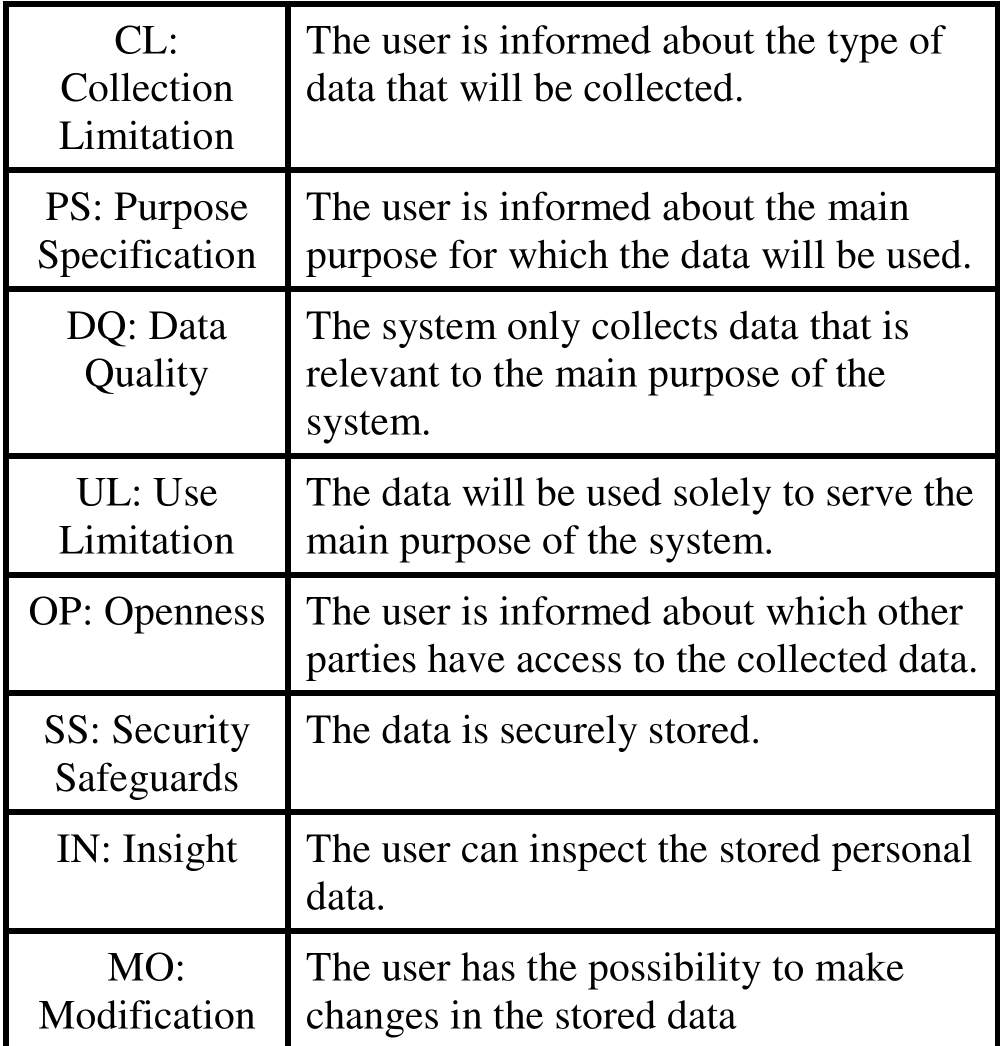 Table 1: The simplified OECD guidelines used in the study to ensure participant comprehension.
Key Findings: Insight over Control
The results challenged some common assumptions in privacy design.
- The Transparency Trio: Insight (0.73), Openness (0.57), and Collection Limitation (0.53) were the clear winners. Users want to know what is being taken and they want to see the "receipts."
- The Modification Paradox: Despite "User Control" being a buzzword, Modification scored the lowest (0.31). Participants noted that in a health context, if you can change the data, the doctor might get the wrong impression, leading to dangerous medical decisions.
- Demographics Don't Predict Privacy: Surprisingly, the need for medical attention (chronic illness vs. healthy) or age did not significantly change which guidelines were preferred.
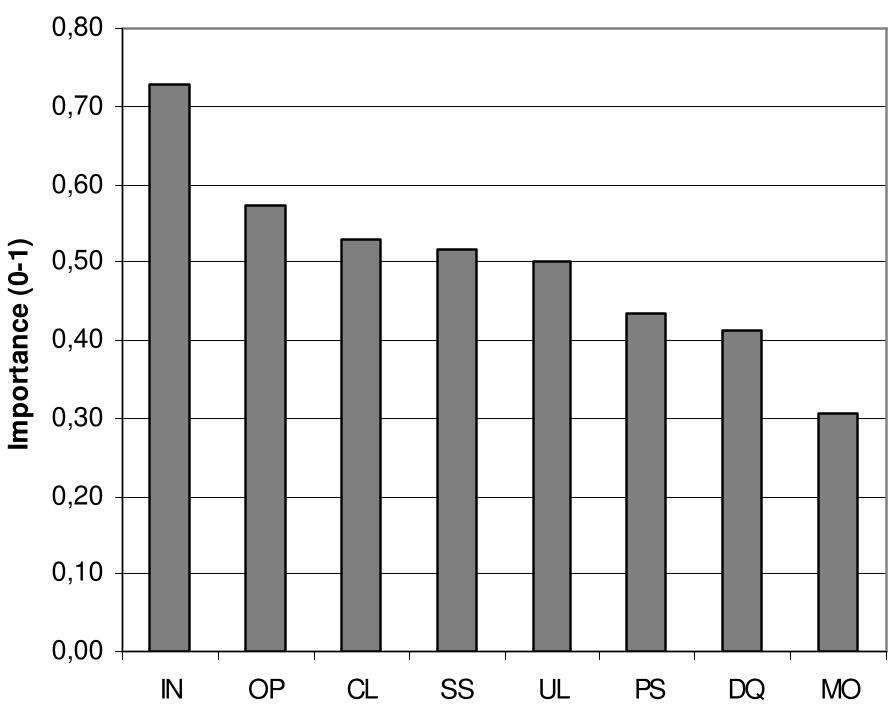 Figure 2: The relative hierarchy of privacy needs among participants.
Deep Dive: The Four Privacy Personas
Through K-means clustering, the study identified that users fall into four distinct "camps" regarding privacy. This suggests that a "one-size-fits-all" privacy policy in health apps is likely to fail.
- Purpose Seekers: Focused on why data is collected and limiting it to that purpose.
- Guarantee Seekers: Focused on security and knowing which third parties have access.
- Controller Seekers: Deeply value the ability to inspect and (to a lesser extent) modify data.
- Data Minimalists: Primarily concerned with the specific type of data being harvested.
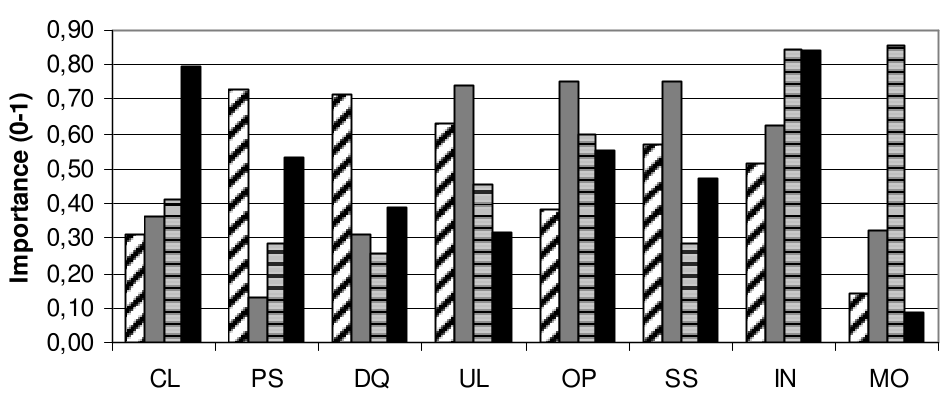 Figure 3: Visualizing the four clusters of user privacy preferences.
Critical Insight & Conclusion
This work serves as a vital reminder for Tech Leads and Product Designers: Context is everything. In social media, "Modification" (deleting a post) is a top priority. In health care, that same feature is viewed as a liability.
The Takeaway: If you are building an ambient health system, prioritize User Insight (give them a dashboard to see their data) and Openness (be transparent about data sharing). These factors impact user trust far more than complex data-quality filters or editing tools.
Limitations: The study was conducted in 2006; while the OECD guidelines are timeless, modern attitudes toward "Big Tech" and the advent of GDPR may have shifted the absolute scores, though the relative importance of "Insight" in medical contexts likely remains robust.