
Cracking the "Gut Feeling": Using Machine Learning to Define Safety Limits in Aquaculture
Reliability Engineering and System Safety
This paper proposes a machine learning-based framework to establish risk-based operational limits for high-risk aquaculture activities in Norway. By utilizing Bayesian Networks (Tree Augmented Naïve Bayes), the study transforms subjective "gut feeling" decisions into an explicit, multi-source data-driven model for aborting/delaying operations.
TL;DR
In the high-stakes environment of Norwegian aquaculture, deciding whether to abort a mission due to bad weather is often left to "gut feelings." This paper introduces a structured machine learning approach using Bayesian Networks to define explicit operational limits. By analyzing multi-source data (weather, vessel age, and operation type), the model achieves an 87.4% accuracy in predicting safe vs. unsafe operational conditions, moving the industry from subjective judgment to data-driven safety.
The Hidden Risks of Subjectivity
Aquaculture in Norway is shifting toward more exposed, offshore locations where harsh waves and currents amplify risks to both personnel and fish welfare. Currently, a supervisor’s decision to halt a delousing or net-cleaning operation is largely experience-based.
The problem? Human intuition is prone to bias. Research shows that in adverse conditions, operators sometimes subconsciously prioritize fish safety (avoiding escapes) over their own personal safety. Furthermore, inexperienced staff—increasingly common due to the industry's rapid growth—lack the "gut feeling" developed by veterans. There is a dire need for a structured process to derive explicit limits.
Methodology: From Accident Scenarios to Bayesian Logic
The researchers didn't just dump data into a black box. They used a Risk-Assessment Guided Approach:
- Attribute Identification: They started with five major accident scenarios (e.g., vessel loss, fish escape) to identify 13 key predictors like gust speed, wave height, and vessel size.
- The Engine: They selected Tree Augmented Naïve Bayes (TAN). Unlike standard Naïve Bayes which assumes all predictors are independent, TAN allows for dependencies between variables (e.g., how wind direction interacts with topography).
- Inference Capability: The beauty of a Bayesian Network is its ability to perform "what-if" analysis. If you know the vessel is small and the operation is "net cleaning," the model updates the probability of a safe outcome based on forecasted weather.
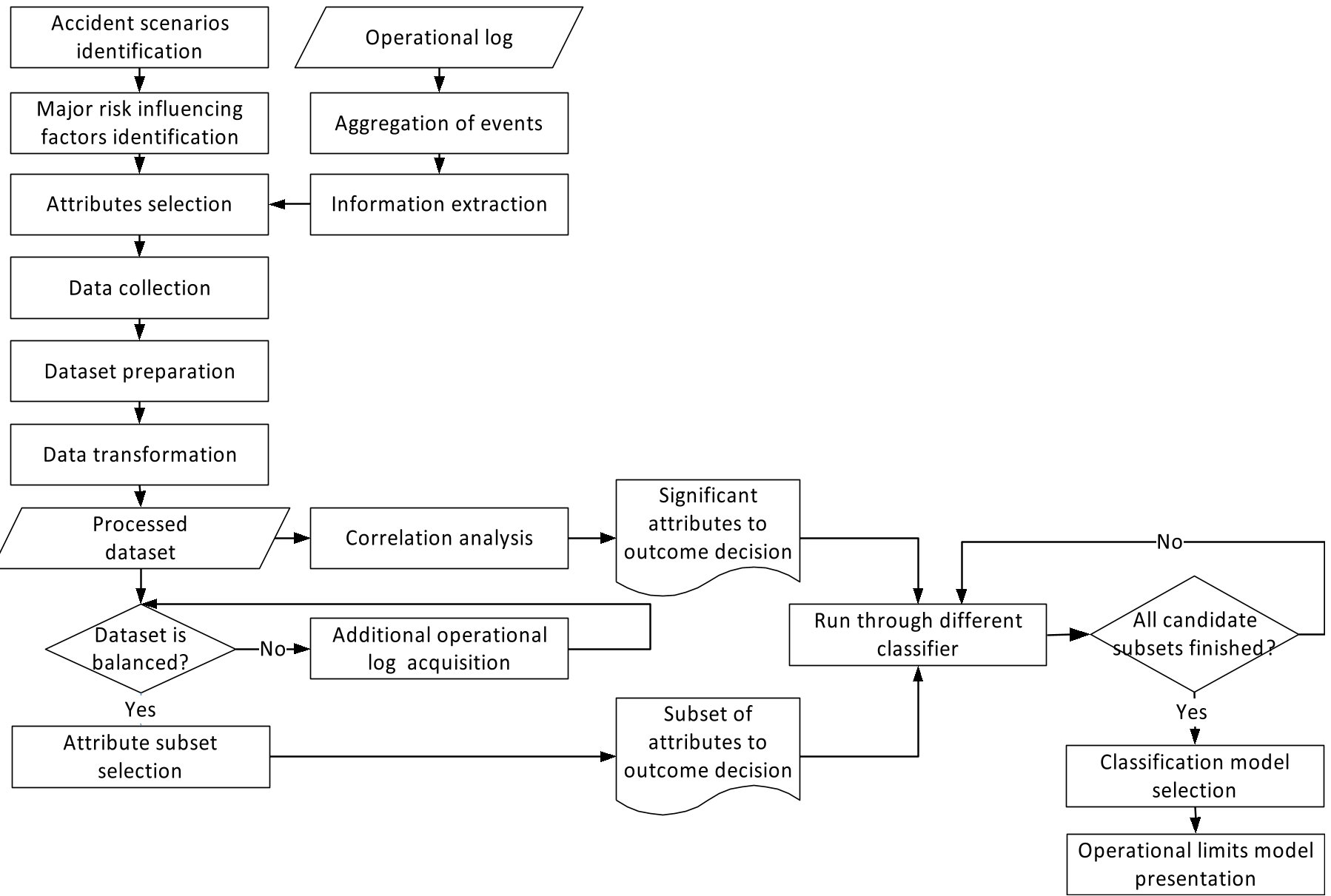 Fig 1: The systematic workflow from literature review to ML model validation.
Key Results: Finding the "Red Lights"
The model identified specific "tipping points" where human operators almost always called off the operation. These "overriding attributes" act like a traffic light system:
- Wind Speed: Reaching Beaufort Scale 7 (13.9–17.1 m/s).
- Visibility: "Bad" status (due to fog or night).
- Wind Gusts: Exceeding 24.5 m/s.
When these limits are hit, the probability of aborting the operation jumps to between 82% and 97%.
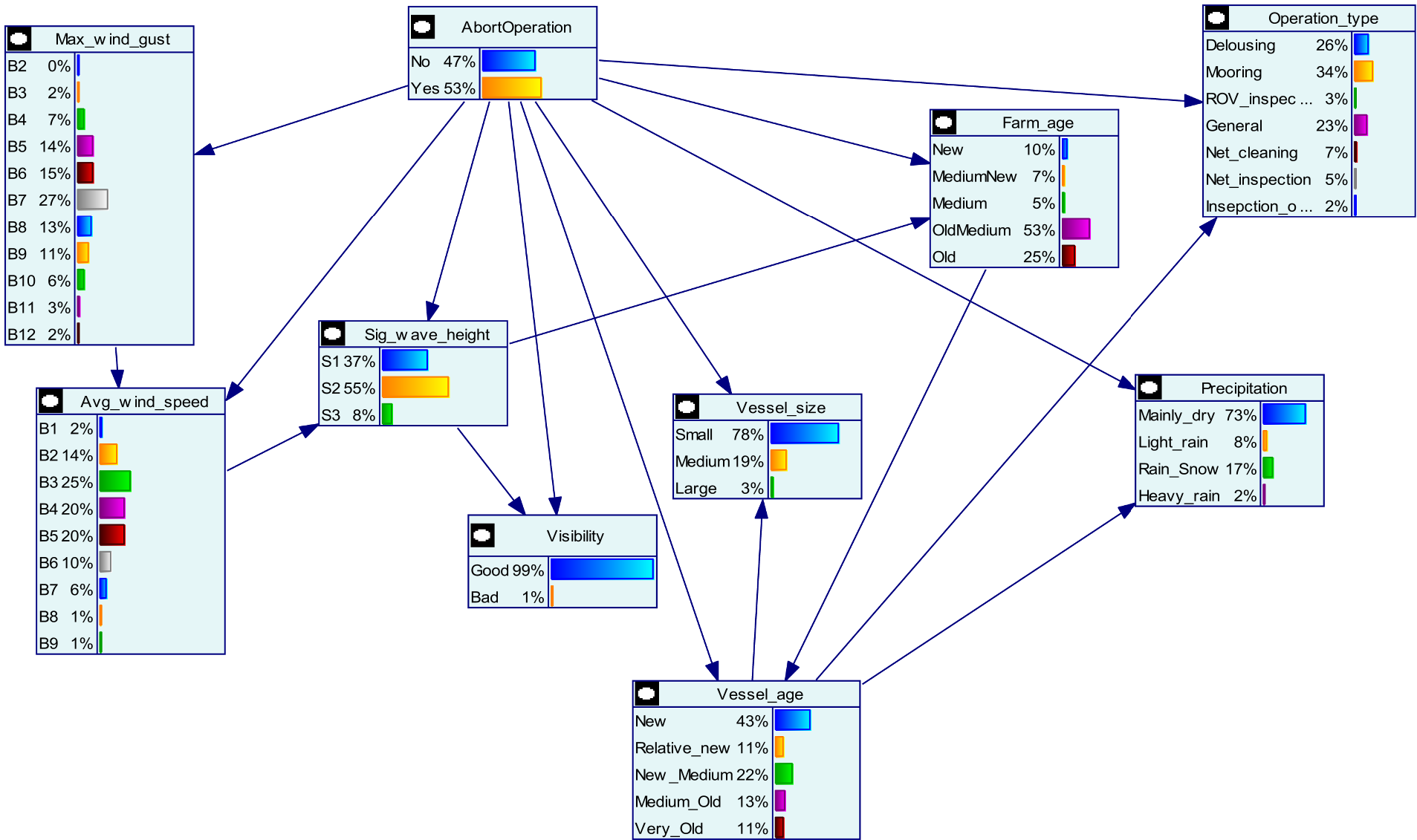 Fig 2: The Bayesian Network structure showing the causal relationships between environmental factors and the final decision.
Expert Insight: Why This Matters
The true value of this work isn't just the 87% prediction accuracy; it's the interpretability. By using Bayesian Networks, the model provides a "Reasoning Strategy." It allows a service company managing 100+ different sites to enter specific local data and receive a tailored risk profile.
However, a critical limitation remains: the model learns from past decisions ("what operators did") rather than optimal outcomes ("what operators should have done"). If current operators are consistently taking too much risk, the AI might learn to be equally reckless.
Conclusion & Future Outlook
This paper serves as a blueprint for the "digitalization of experience." By converting "gut feelings" into conditional probability tables, the aquaculture industry can:
- Onboard junior staff faster by providing them with a "digital mentor."
- Standardize safety across different service vessels and locations.
- Optimize window planning for high-risk maintenance.
The next frontier? Integrating real-time sensor data directly from the cages into these Bayesian models to provide live "Go/No-Go" dashboards for the crew on deck.
Keywords: Machine Learning, Risk Analysis, Operational Limits, Bayesian Networks, Aquaculture Safety.