
Beyond Solitary Privacy: Securing Co-Owned Data via GDM and Reputation Systems
Effects of Reputation Systems and Group Decision Making Systems Usage on Online Social Networks
This paper proposes a security model for Online Social Networks (OSNs) specifically targeting "co-owned data sharing" (content involving multiple users). It introduces a framework combining Group Decision Making (GDM) and reputation systems, validated through user analysis on a platform called "Trusty," to mitigate privacy leakages.
TL;DR
Online Social Networks (OSNs) suffer from frequent privacy leaks because data is often "co-owned"—think of a group photo where one person shares it against another's wishes. This paper proposes a paradigm shift: integrating Group Decision Making (GDM) and Reputation Systems into the fabric of OSNs. By forcing a consensus before sharing and making user trustworthiness visible, platforms can create a significantly more secure environment.
The "Co-Owner" Dilemma: Why Current OSNs Fail
Most privacy settings on platforms like Facebook or Instagram are binary and individualistic. If you are tagged in a photo, you might be able to "untag" yourself, but the data remains public. This is a fundamental flaw in co-owned data sharing.
The authors argue that the responsibility for privacy shouldn't just rest on the uploader but on the platform's architecture. The core motivation is simple: in real life, we ask for permission before sharing a group's secret; why doesn't our digital life require the same consensus?
Methodology: The Trusty Model
The proposed model rests on three pillars:
- UOP (Users' Opinions): Recognizing that every co-owner has a stake.
- GDM (Group Decision Making): Utilizing the EIOWA (Extended Induced Ordered Weighted Average) operator to reach a consensus among all parties involved in a piece of content.
- Reputation System: Much like eBay’s star rating, this system monitors how users handle others' data. Malicious sharing leads to a "bad reputation," warning others before they interact or share content with that user.
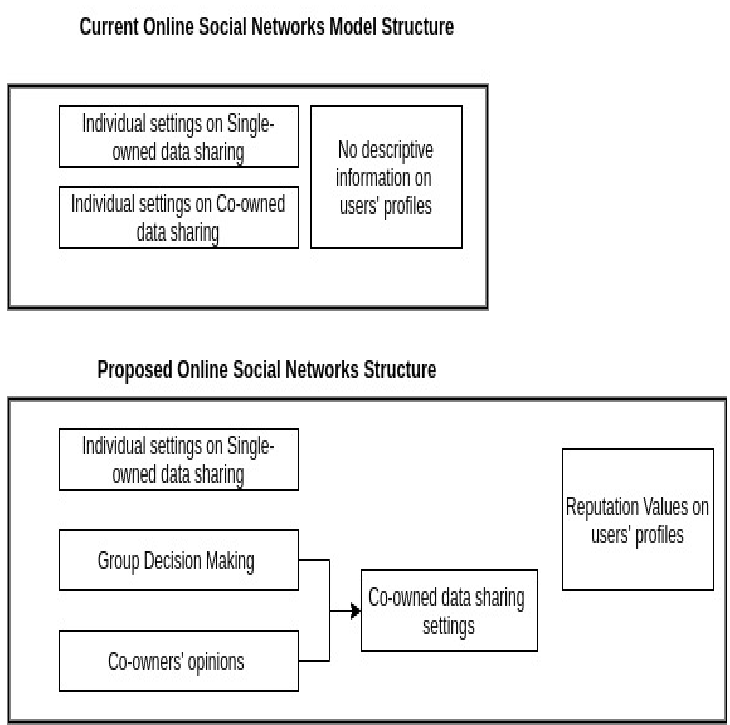 Figure 1: Comparison between current OSN architectures and the proposed "Trusty" model emphasizing GDM and Reputation integration.
Experiments and User Perception
The researchers didn't just propose a theory; they tested it on Trusty, a platform with 10,000 users. Through surveys of 1,000 owners (uploaders) and 3,000 co-owners, the study found:
- High Demand for Voice: Co-owners felt it was extremely "useful" (C1) and "important" (C2) to provide input on security features for shared content.
- Reputation as a Deterrent: Users agreed that visible reputation scores (O4, C4) made the platform feel more secure.
- Consensus Satisfaction: Even though reaching a consensus takes more effort than a single-click upload, users preferred the security it provided (O5).
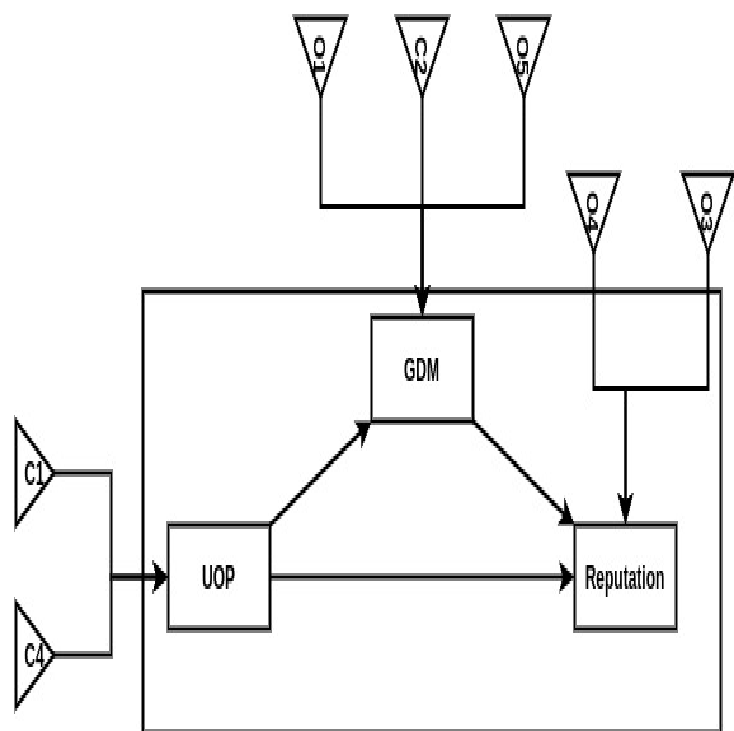 Figure 2: Statistical evidence showing that co-owners find it useful to provide opinions in the sharing process.
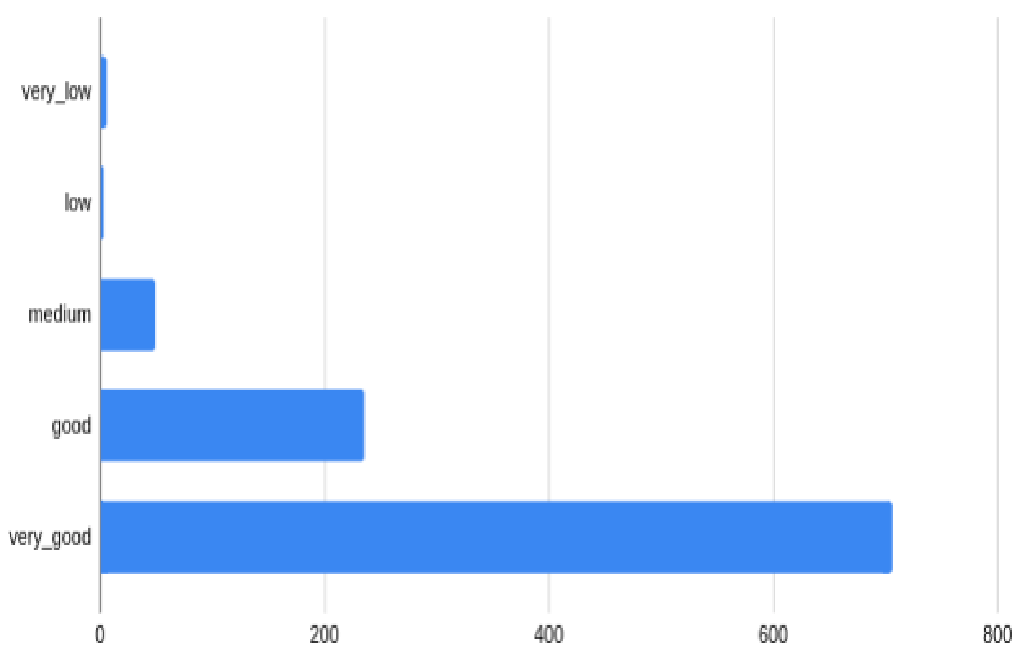 Figure 3: User feedback on the effectiveness of GDM in enhancing OSN security.
Critical Analysis & Conclusion
The study successfully proves its hypothesis: GDM and reputation systems are vital for OSN security.
Strengths:
- Social Intuition: The model aligns digital sharing with real-world social norms.
- Empirical Validation: Testing on a live platform (Trusty) provides more weight than pure simulation.
Limitations & Future Work:
- Complexity: Implementing a full consensus-reaching process for every photo or post might introduce friction that typical users find burdensome.
- Scale: While the 10,000-user "Trusty" platform is a good start, scaling GDM to billions of users on Facebook-level platforms would require massive computational and UI optimizations.
- Next Steps: The authors suggest "Confirmatory Factor Analysis" to further refine the variables that make these systems successful.
Final Thought: This research moves the needle from "Privacy as a Setting" to "Privacy as a Social Contract," enforced by mathematical consensus and public reputation.