
The Social OSN Security Frontier: Combating Spam and Hijacked Accounts
Rise of spam and compromised accounts in online social networks: A state-of-the-art review of different combating approaches
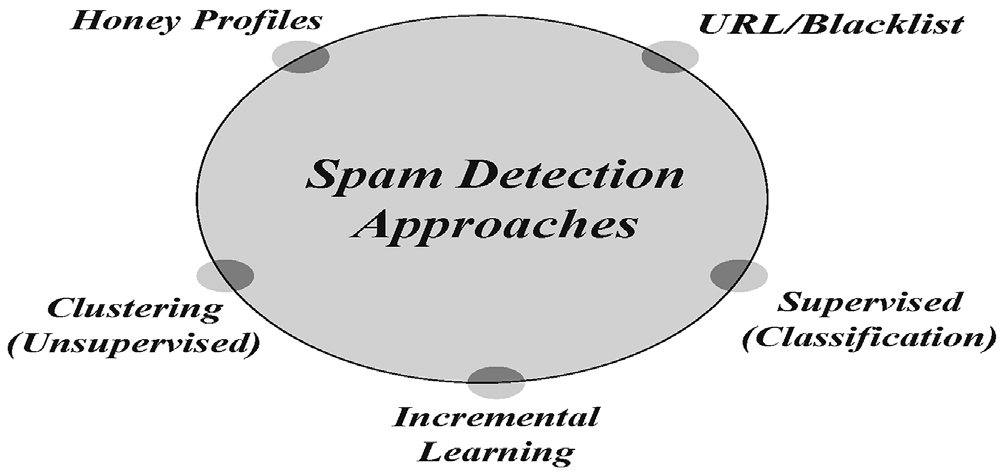
This paper provides a comprehensive state-of-the-art review of techniques for detecting spam and compromised accounts in Online Social Networks (OSNs). It qualitatively analyzes 65 prominent studies, categorizing methodologies into honey-profiles, URL/blacklist analysis, machine learning classification, and graph-based structural detection.
Executive Summary
Social networks have become the digital backbone of human interaction, but their popularity has made them a prime target for malicious actors. This review paper, Rise of spam and compromised accounts in online social networks, meticulously maps the defensive landscape against social threats. The core revelation? The battle has shifted from blocking "fake bots" to the much harder task of identifying when a legitimate account has been compromised.
The Evolution of the Threat: From Bots to Hijacks
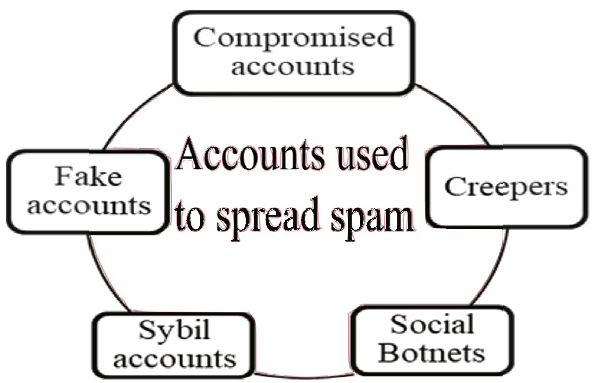
Spammers have evolved. Early "career spammers" created fake accounts that were easily flagged by simple behavioral heuristics (e.g., high follower-to-following ratios). However, modern attackers prefer Compromised Accounts.
Why the shift?
- Trust Inheritance: Hijacked accounts come with a pre-built network of followers who trust the user.
- Evasion: These accounts mix legitimate historical data with malicious posts, making "cold-start" detection impossible.
- Longevity: Service providers are naturally hesitant to delete a hacked legitimate account compared to a fake one.
Methodology: How Do We Spot an Imposter?
The paper categorizes detection into two primary phases: At-Sign-in and At-Use. While sign-in security (IP/Geolocation) is standard for service providers, academic research focuses on the "At-Use" phase—monitoring human behavior for subtle deviations.
1. Stylometric & Content Analysis
Researchers use N-grams and linguistic "fingerprints" to verify authorship. If a user who typically posts short, emoji-filled English sentences suddenly posts long, formal links in a different syntax, the system triggers an alert.
2. Behavioral Profiling (The COMPA Model)
A standout in the review is the COMPA system. It builds a statistical profile based on:
- Time of day: When does the user usually post?
- Message Source: Is the user suddenly using a different API or mobile client?
- Interaction patterns: Who do they usually mention?
3. Graph Structure Analysis
Spammers often create "Dense Sybils" or anomalous change patterns in friendship ties. By analyzing the local clustering coefficient and triad counts, defenders can spot artificial network growth.
Critical Results: The Statistics of Deception
The qualitative analysis of over 65 papers reveals a sobering reality:
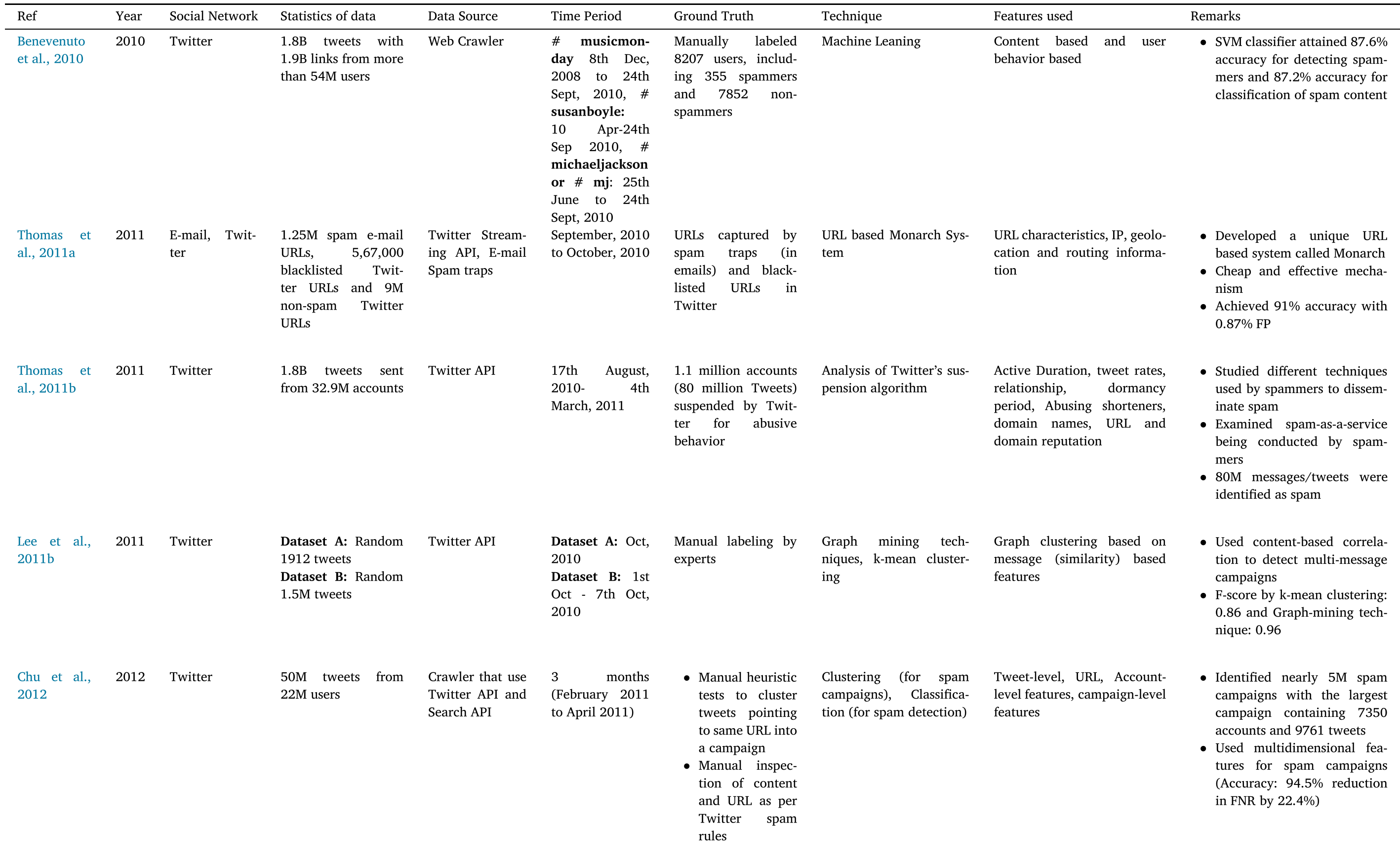
- Accuracy vs. Latency: While SVM and Random Forest models boast accuracies over 90%, the "time-to-detection" is often too slow. Most spam links are clicked within the first 30 minutes of posting.
- Blacklist Failure: Traditional URL blacklists (like Google SafeBrowsing) often suffer from a "lag effect," only flagging malicious sites after the campaign has already succeeded.
Deep Insight: The Gap in Modern Defense
The paper identifies several critical "vulnerability gaps" that practitioners must address:
- The Zero-Day Problem: How do we stop a hijacked account before it sends its first malicious link? Early detection requires monitoring "introversial" behaviors (like browsing patterns) rather than just "extroversial" outputs (posts).
- Feature Weighting: One size does not fit all. A deviation in "time of post" might be normal for a student but highly anomalous for a professional business account. Modern systems need Personalized Weighting.
Conclusion & Forward Look
The fight against OSN spam is no longer just about filtering keywords; it’s about Identity Authentication through Behavior. The paper concludes that as spammers adopt AI and automated evasion, defenders must transition to Distributed Frameworks and Deep Learning that can process the massive "velocity, variety, and volume" of social data in real-time.
The ultimate takeaway for the industry is clear: Security is not a feature you add; it is a continuous process of behavioral verification.