
Beyond Equality: A Two-Layer Social Synergy Model for Aircraft Cloud Manufacturing
Robotics and Computer Integrated Manufacturing
The paper proposes a novel two-layer social network model for manufacturing service composition (MSC) in cloud manufacturing. It introduces a bi-level programming framework and an Improved Genetic Algorithm (IGA) to optimize resource allocation, specifically tailored for complex products like aircraft structural parts.
TL;DR
Current cloud manufacturing models assume every machine or service provider is equally "eager" to join a task. In high-tech sectors like aerospace, this is false. High-precision service providers (KMS) are scarce and choosy. This paper introduces a bi-level programming model that prioritizes the satisfaction of these key players using Prospect Theory, ensuring global stability in manufacturing service composition (MSC).
The "Equality" Fallacy in Cloud Manufacturing
Most Cloud Manufacturing (CMfg) platforms operate on a "Quality of Service" (QoS) maximization principle. While this works for simple parts, it fails for complex products like aircraft structural elements.
The Problem:
- Scarcity: High-precision milling or specialized R&D services are rare. These providers are "masters" who can choose their tasks.
- Synergy: Complex parts require high technical and quality alignment. If providers don't "click," the project fails.
- Stability: If a key provider isn't psychologically satisfied with the profit or the partners, they may leave the alliance mid-project.
Methodology: The Two-Layer Social Framework
The researchers break the problem into two distinct layers, reflecting the master-slave relationship in industrial ecosystems.
1. The Multi-Dimensional Synergy Metric
The paper goes beyond "price" and "time," defining social relationships based on:
- Technical Synergy: Ratio of shared international/industry standards.
- Quality Synergy: ISO9001 certification effectiveness.
- R&D Synergy: Joint technical patents.
- Information Ability: Frequency of data exchange.
2. Psychological Modeling via Prospect Theory
Recognizing that KMS providers are human-led entities, the authors use Prospect Theory. Instead of looking at absolute profit, they look at "gains" and "losses" relative to:
- Historical Reference Points (What they usually make).
- Expected Reference Points (What they hope to make).
3. Bi-Level Programming Architecture
The model is structured so the Upper Layer seeks to maximize the satisfaction of the KMS, while the Lower Layer focuses on the QoS of the OMS (Ordinary Manufacturing Services) once the KMS are locked in.
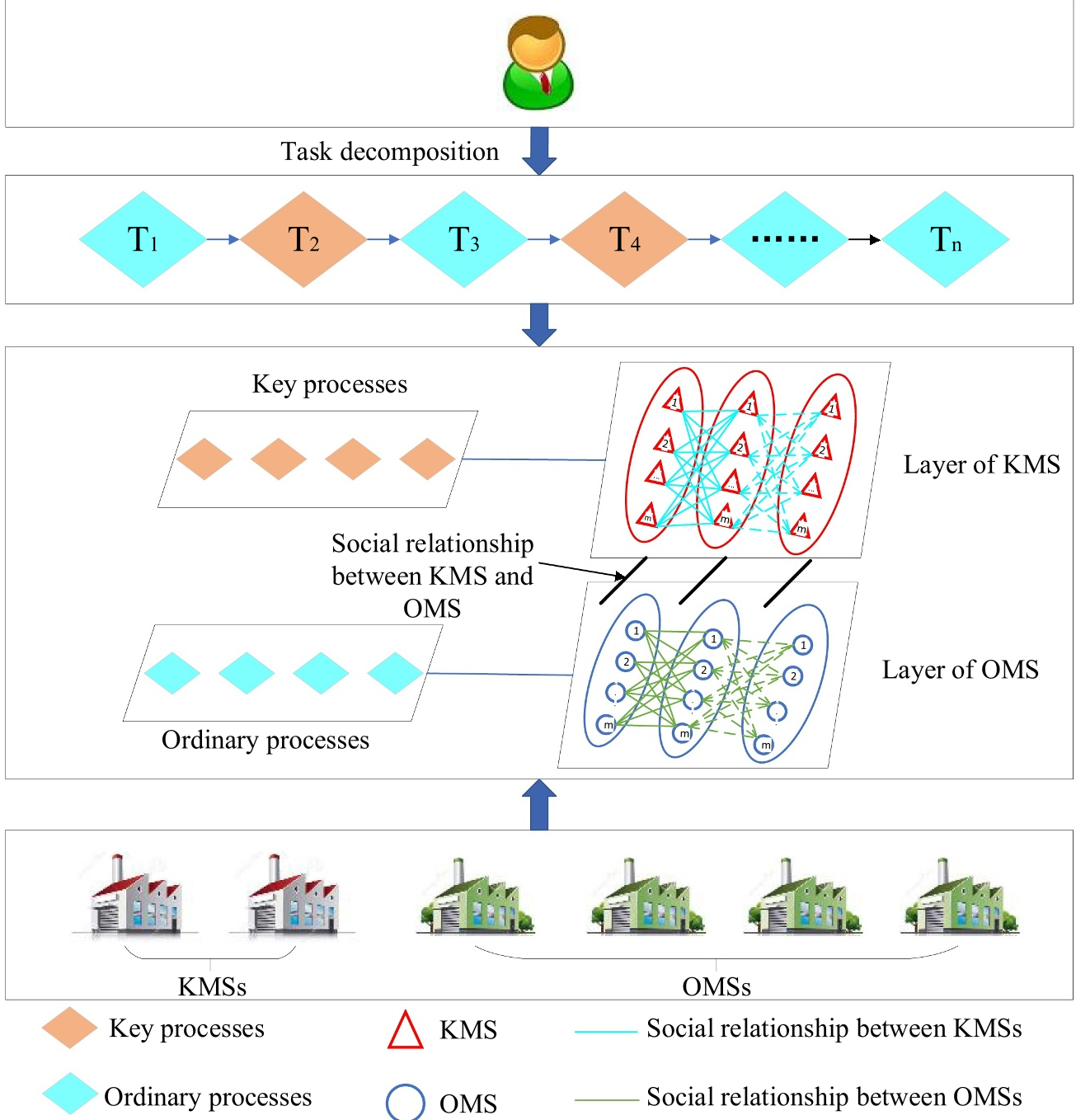 Figure 1: The hierarchical structure of the proposed social network model.
Solving the NP-Hard Challenge: Improved GA
Bi-level programming is famously difficult to solve (NP-hard). The authors developed an Improved Genetic Algorithm (IGA) with custom coding, crossover, and mutation strategies to handle the dual-layer optimization simultaneously.
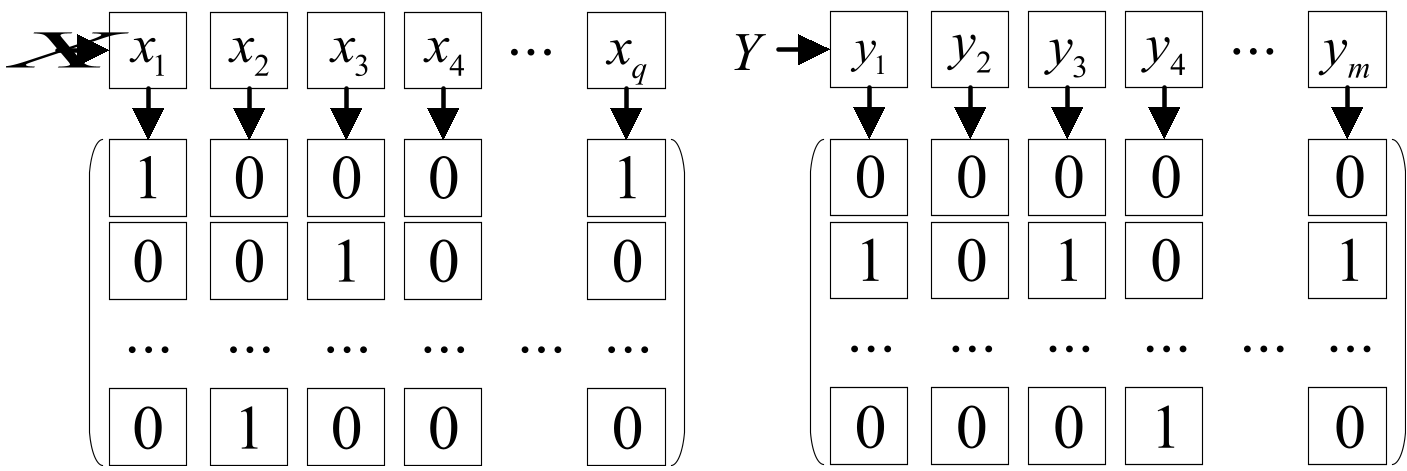 Figure 2: The coding method used in the Improved Genetic Algorithm.
Case Study: The Modern Ark 60 Aircraft
The model was tested using a structural part for the Modern Ark 60. By comparing their method against existing frameworks, the authors proved that:
- Convergence: Their IGA converges faster than PSO or standard ACO.
- Feasibility: Previous methods often resulted in "negative satisfaction" for providers in certain processes (like process 9 in the study), which in the real world means that the provider would refuse the contract.
- Performance: Under the proposed model, KMS satisfaction increased by nearly 5%, significantly stabilizing the manufacturing alliance.
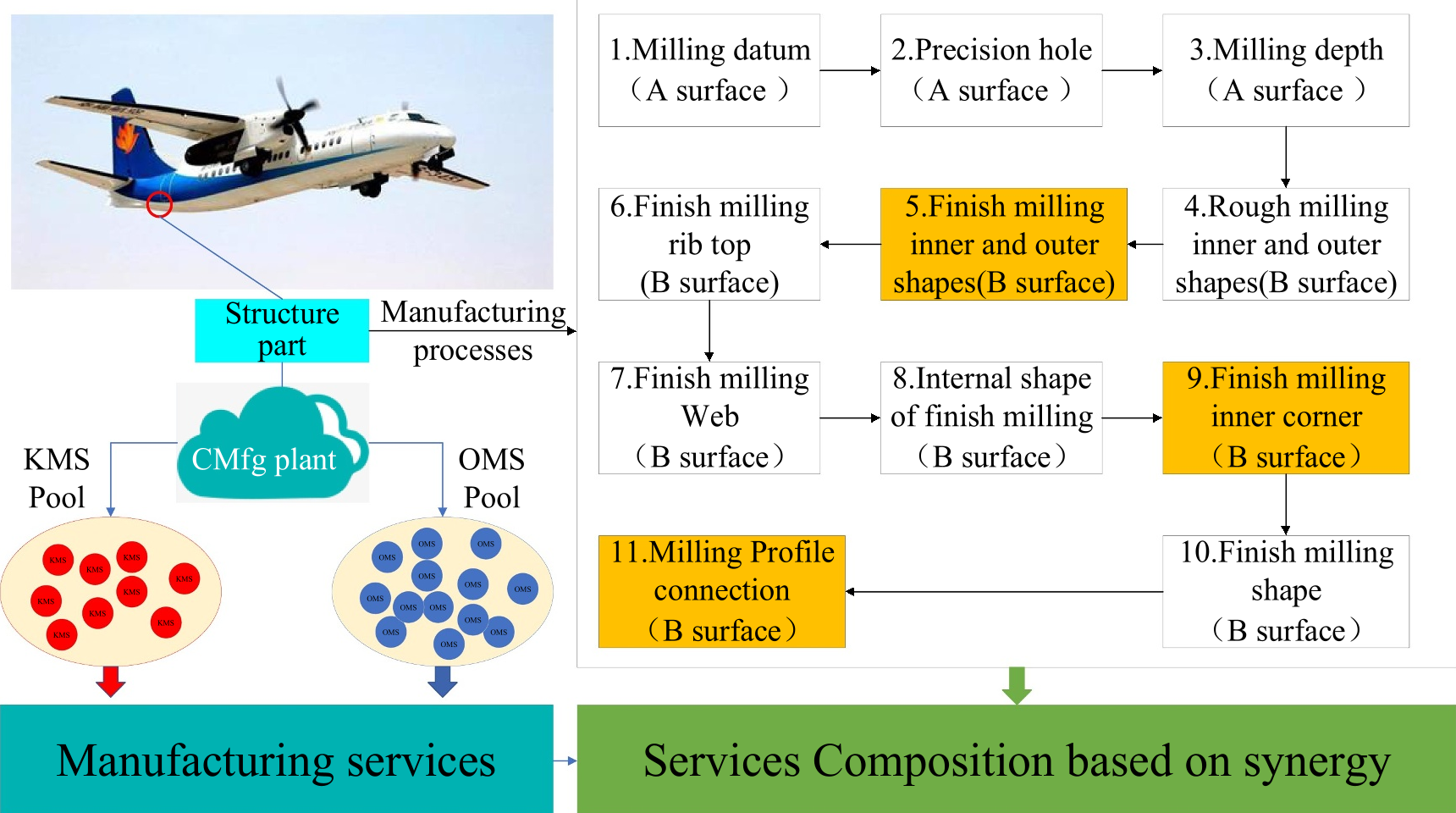 Figure 3: Service composition visualization for the Modern Ark 60 structural part.
Critical Analysis & Conclusion
Takeaway
The shift from "System Optimization" to "Participant Satisfaction" is crucial. By acknowledging that not all nodes in a network are equal, this paper provides a more realistic blueprint for Industrial IoT and Cloud Manufacturing platforms in the aerospace industry.
Limitations
While the model accounts for provider and task satisfaction, it currently ignores the Platform's own satisfaction (profitability/fees) and Sustainability (environmental impact). Future research should integrate "Green Manufacturing" metrics into this social framework.
Future Outlook
As manufacturing becomes more decentralized, the "social" health of a manufacturing network will become as important as its technical capacity. Expect more behavioral science to be integrated into supply-chain algorithms.