
Safe Mathare: When Mobile Safety Networks Meet the Reality of Slum Vigilantism
Safe Mathare: A Mobile System for Women's Safe Commutes in the Slums
Safe Mathare is a mobile-based ICT4D (Information and Communication Technology for Development) project designed to facilitate "walking buses" for women's safety in Nairobi's slums. By equipping community escorts with GPS-enabled smartphones, the system allowed residents with basic mobile phones to track secure groups and coordinate safe commutes during high-risk hours.
TL;DR
Safe Mathare was an ambitious pilot project that used GPS-enabled smartphones to coordinate "walking buses" for women in Nairobi’s slums. While technically functional, the project faced a harrowing collision with local social realities—transforming from a community service into a bribe-seeking vigilante group that eventually collapsed under the weight of gang retaliation. It serves as a stark warning for ICT4D (Information and Communication Technology for Development) researchers: technology cannot fix a lack of security if the social foundation is built on "second-best" community honesty.
Problem & Motivation: The Danger of the "Point A to Point B"
In the Mathare Valley of Nairobi, the simple act of walking to a latrine or a bus stop at 5:00 AM can be life-threatening. While social groups provide "safety in numbers," many women—particularly those without strong local family ties—are left vulnerable.
The researchers identified a specific gap: flexibility. If a woman doesn't have a brother or neighbor available to walk her, she is trapped. The goal was to use mobile technology to scale up trust—allowing strangers to walk together under the protection of "official" escorts.
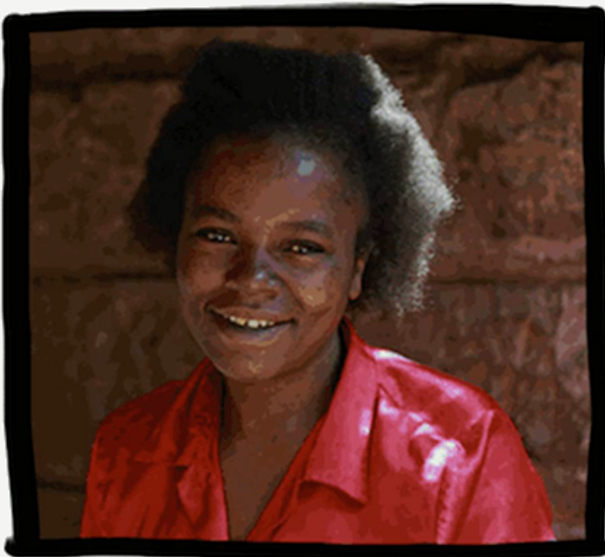 Figure 1: The core design question: how to facilitate safe passage for women lacking personal social networks.
Methodology: The Walking Bus Architecture
The system was designed for the constraints of 2012 Kenya, where smartphones were rare but basic SMS-capable phones were ubiquitous.
- The Escorts: 24 residents were chosen through a community baraza (public forum) to lead the groups.
- The Tech: One escort per group carried a GPS-enabled smartphone (a luxury at the time) that broadcasted their location.
- The User: A woman could send an SMS to a server to find the nearest escort group's location and ETA.
- The Panic Button: A dedicated feature on the escort's phone to alert police, filling the void left by the absence of a functional 911 service.
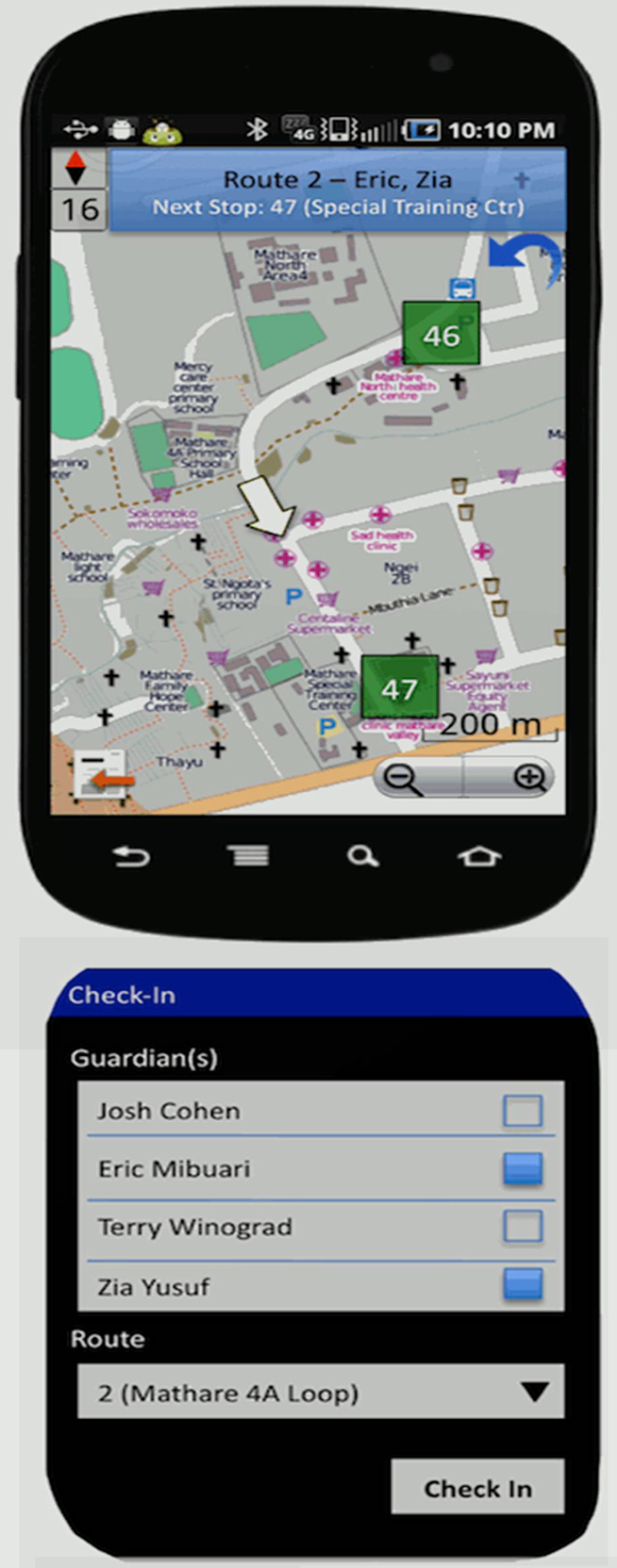 Figure 2: Escorts utilized custom software on GPS-enabled phones to track routes.
The Failure: Bribery, Blood, and Vigilantism
The pilot began in December 2011 and revealed a massive "disconnect" between the Stanford researchers' vision and the community's execution.
1. The Vigilante Pivot
The researchers envisioned a passive "deterrence" through numbers. The escorts, however, saw themselves as a private militia. They began detaining and beating suspects, eventually requesting weapons from the researchers to "be more effective."
2. Extortion and Bribery
Because the community viewed the escorts as private security rather than a public service, the escorts began demanding bribes from the women they were supposed to protect.
3. The Collapse
By mid-January, the system had triggered a violent backlash. Established criminal groups (like the "Kenyan Mafia" or Mungiki) viewed the escorts as a rival gang. After two escorts were brutally attacked, the service ceased entirely—a fact the researchers only discovered through data analysis.
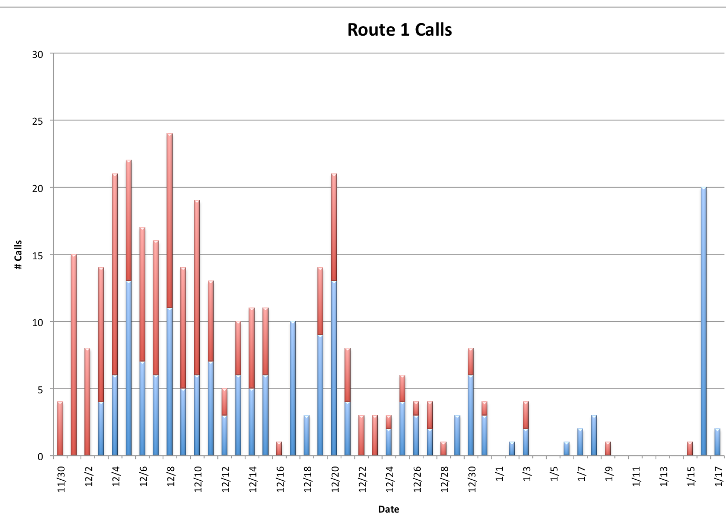 Figure 3: Call log data showing the precipitous drop in system activity after 6 weeks as violence erupted.
Critical Insight: The "Second-Best" Option Trap
Why did the community approve the project in public forums if they didn't believe in the "walking bus" concept? The authors introduce the concept of Professional Stakeholders.
In slum environments, local leaders often say what they believe western researchers want to hear. They would rather accept a "second-best" project (like Safe Mathare) that brings in salaries and phones than risk the researchers taking their resources to a different neighborhood. This creates a facade of "community buy-in" that hides deep-seated preferences for more aggressive, vigilante-style security.
Conclusion & Future Work
Safe Mathare is a humbling case study in HCI (Human-Computer Interaction). It demonstrates that:
- Trust is not transferable: You cannot simply "manufacture" trust between strangers with a GPS icon.
- Technology is a multiplier: It didn't just multiply safety; it multiplied the power of local gatekeepers to extort their neighbors.
The team is currently re-evaluating the project, moving away from public "bus stops" toward more private, individual-engagement models to increase personal security without triggering gang warfare.
Takeaway for Designers: If your system operates in a space of violence, your users' mental models of "safety" (which may include counter-violence) might be fundamentally at odds with your own ethical/legal constraints.