
Second Look: Breaking Writer's Block with Google Glass and Crowdsourced Inspiration
Second look: combining wearable computing and crowdsourcing to support creative writing
The paper introduces "Second Look," a ubiquitous computing platform designed to combat writer's block by integrating Google Glass, mobile devices, and crowdsourcing. It creates a collaborative ecosystem where writers can capture "in-the-moment" inspiration and access location-based creative prompts via Augmented Reality (AR).
TL;DR
"Second Look" is a pioneering research project that transforms the world into a canvas for authors. By combining Google Glass, mobile apps, and crowdsourcing, it allows writers to capture fleeting moments of inspiration and interact with location-based writing prompts via Augmented Reality. It shifts writing from a solitary, desk-bound activity to a ubiquitous, collaborative experience.
The Motivation: Why the Desktop is Not Enough
Creative writing is a non-linear process consisting of pre-writing, drafting, and revising. While professional writers often have established routines, amateurs frequently hit the wall of writer's block.
The authors argue that inspiration is "in-the-moment" and deeply tied to our physical surroundings—conversations in a park, a specific bench, or a sudden visual trigger. Traditional tools (like Microsoft Word or Scrivener) only support the execution of writing, not the inception. There is a significant gap in technology that supports serendipity—the accidental discovery of great ideas.
Methodology: The Ubiquitous Writing Ecosystem
The system architecture of "Second Look" relies on three pillars to keep a writer in a "creative experience peak" for longer periods:
- Wearable Serendipity (Google Glass): Using the (then-emerging) Google Glass, writers can geotag photos or note down "bits" of dialogue without breaking their physical flow.
- Location-Based AR: By scanning AR markers in public spaces, writers can unlock "prompts" left by others. For example, a writer might see a digital prompt: "TELL THIS STORY: There’s a mysterious man sitting on a park bench..."
- The Crowdsourcing Engine: This serves as a "Collective Intelligence," where creative bits—poetry, prompts, and photos—are shared across a network of users, creating a repository of inspiration tied to the physical world.
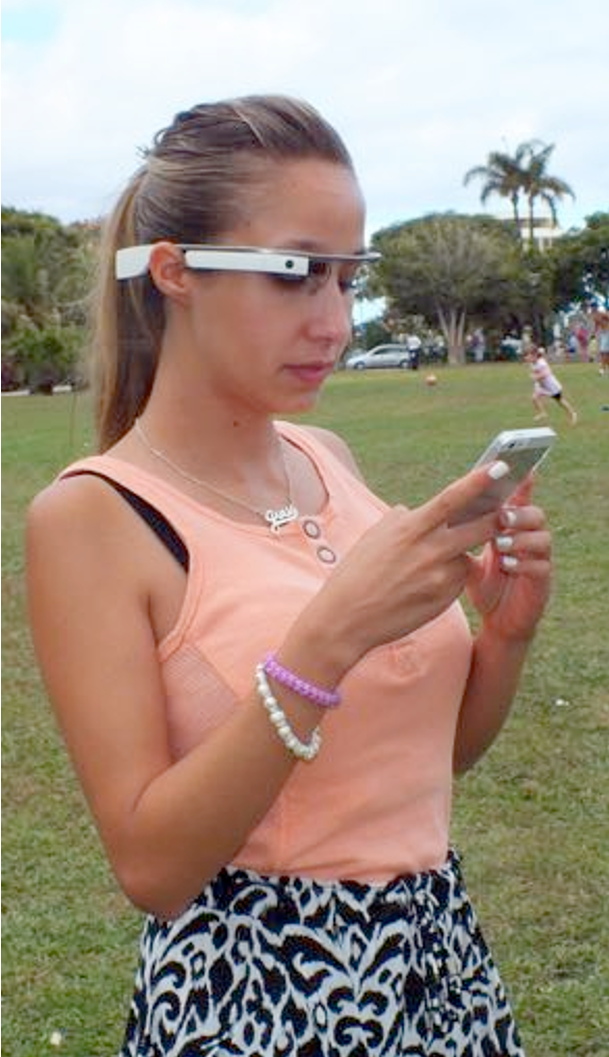 Figure 1: The usage scenario showcasing how a writer interacts with the environment to capture geotagged inspiration.
From Sight to Text: The Visual Trigger
The authors posit that the creative process is "strongly visual." A writer sees something (a visual trigger), which then leads to a "textual leap."
In the experiment, users were able to:
- Identify "Inspirational Spots" and geotag them.
- Use voice or quick-capture features of wearables to record "in-the-moment" creativity.
- Access a shared workflow that tailors the writing process to individual needs.
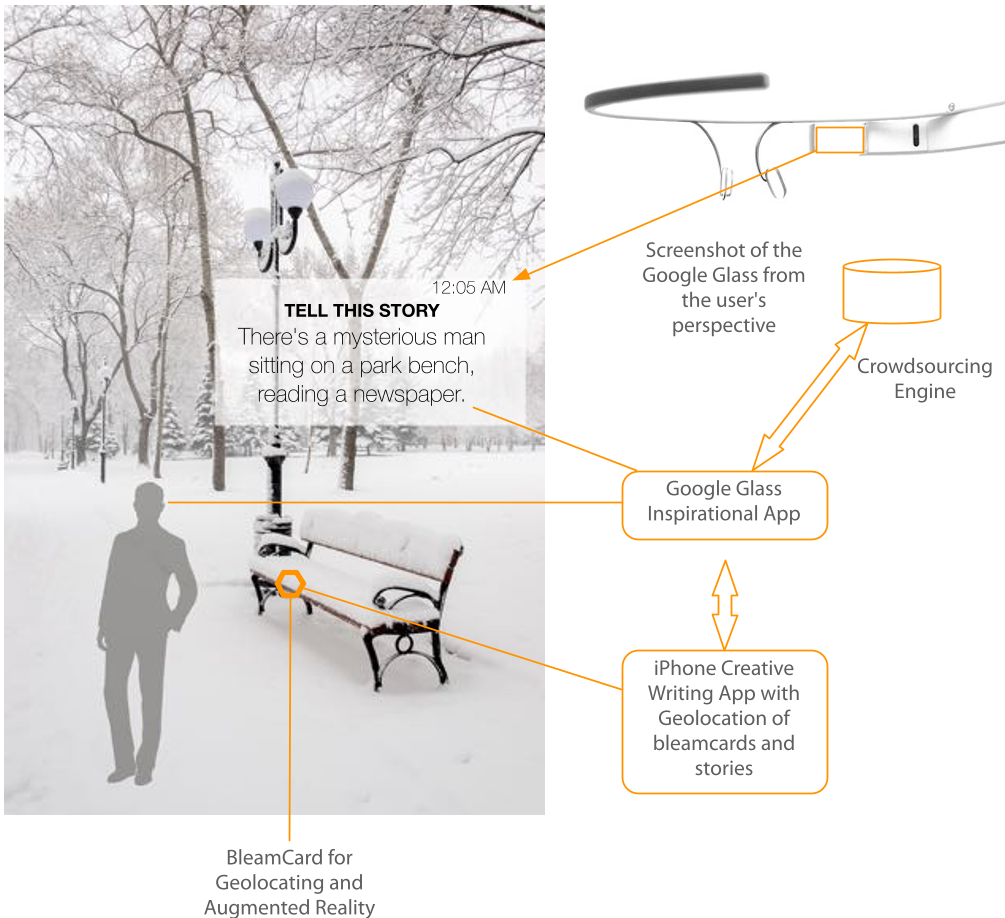 Figure 2: Mock-up of the collaboration between the Glass app and the mobile companion app.
Critical Analysis & Conclusion
Takeaway: "Second Look" was ahead of its time (2014) in recognizing that creativity is a ubiquitous state rather than an office task. By bridging the gap between the physical environment and digital creation, it addresses the "empty page" problem through situated prompts.
Limitations: Since this was a pilot study for a "poster" session, large-scale longitudinal data on writing productivity is missing. Furthermore, the reliance on Google Glass (which ultimately faced market challenges) means the hardware implementation had to evolve into modern AR headsets or mobile AR.
Future Outlook: Today, as we integrate Large Language Models (LLMs) into every tool, the logic of "Second Look" could be supercharged. Imagine an AI that not only crowdsources prompts but generates them based on the specific visual scene captured by your smart glasses—effectively turns the entire world into a giant, interactive writing workshop.