
Efficient and Secure IIoT: Bridging Big Data Analytics with Demand Side Management
SPECIAL SECTION ON SECURITY AND TRUSTED COMPUTING FOR INDUSTRIAL INTERNET OF THINGS
This paper introduces a centralized, multi-layered Demand Side Management (DSM) engine for smart societies within the Industrial Internet of Things (IIoT) framework. It integrates a novel payload-based mutual authentication scheme using the Constrained Application Protocol (CoAP) and utilizes Big Data analytics via Apache Hadoop and Spark to optimize energy consumption.
TL;DR
To address the dual challenges of security and energy efficiency in smart societies, this paper presents a centralized Demand Side Management (DSM) engine. By combining a lightweight payload-based authentication (bypassing heavy DTLS protocols) with a Big Data analytics stack (Hadoop/Spark), the proposed system significantly reduces device-side overhead while optimizing power usage through smart prioritization.
Problem & Motivation: The IIoT Security-Efficiency Trade-off
As urban populations swell, the "Industrial Internet of Things" (IIoT) is becoming the backbone of smart cities. However, two major hurdles remain:
- The Security Tax: Standard security protocols like DTLS (Datagram Transport Layer Security) are "resource-heavy." For a tiny sensor, the handshake process alone can consume excessive memory and battery.
- Data Deluge: Smart meters and home area networks (HANs) generate data with high velocity and variety. Traditional centralized databases cannot process these streams fast enough to make real-time energy-saving decisions.
The authors argue that we need a system that is both "secure enough" to prevent cyberattacks and "fast enough" to balance grid loads dynamically.
Methodology: The Multi-Layered DSM Engine
The heart of this work is a three-tier architecture that offloads the heavy lifting from the devices to a centralized engine.
1. Lightweight Security (CoAP-based Authentication)
Instead of using a separate DTLS layer, the authors embed security directly into the Constrained Application Protocol (CoAP) payload.
- The 4-Way Handshake: It uses Session Launching, Server Challenge, Client Reply, and Server Reply.
- Trust Model: Secret keys are embedded during manufacturing, ensuring a "tamper-safe" hardware foundation.
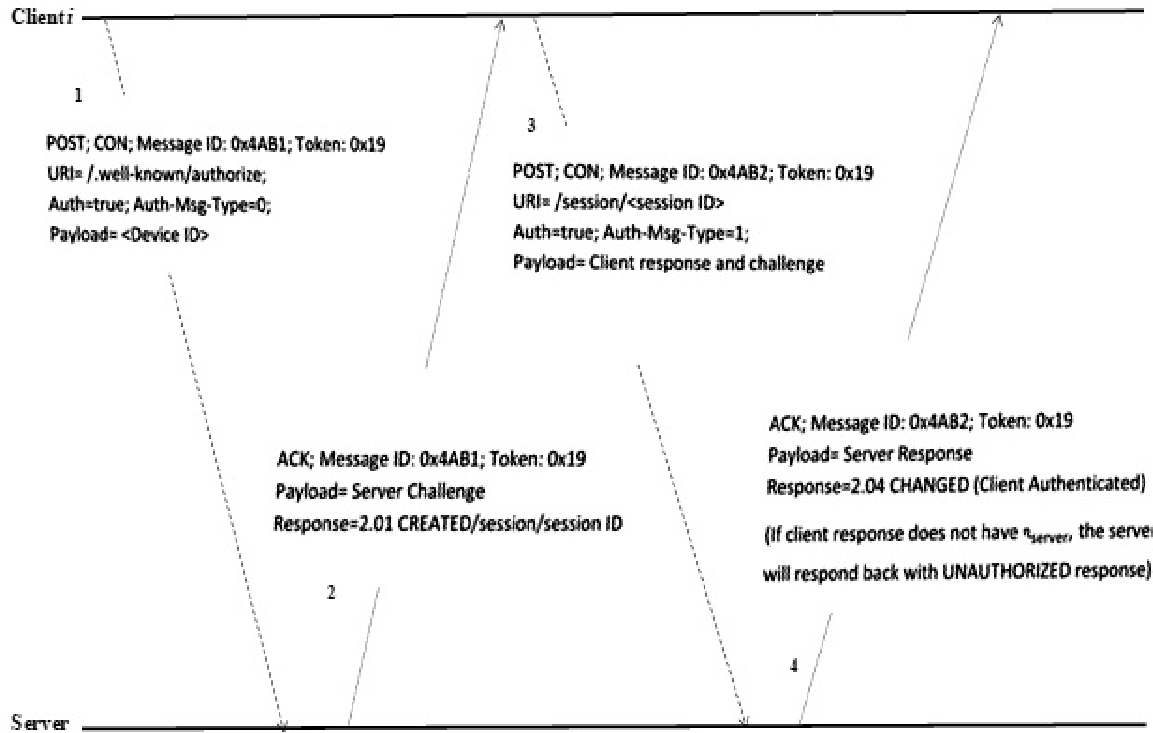 Figure 1: The proposed 4-way lightweight handshake for IIoT devices.
2. Big Data Processing (Hadoop & Spark)
Once data is authenticated, it enters the processing layer. The system uses Kalman Filtering to strip away sensor noise before feeding data into Apache Spark. Spark’s in-memory computing allows for the real-time processing required to respond to energy spikes.
3. Optimization Logic (0/1 Knapsack)
How do you decide which device to turn off when the load limit is reached? The engine treats this as a Combinatorial Optimization problem. By applying the 0/1 Knapsack Algorithm, the engine selects a set of devices that maximizes "user utility" (priority) without exceeding the grid's "capacity" (load limit).
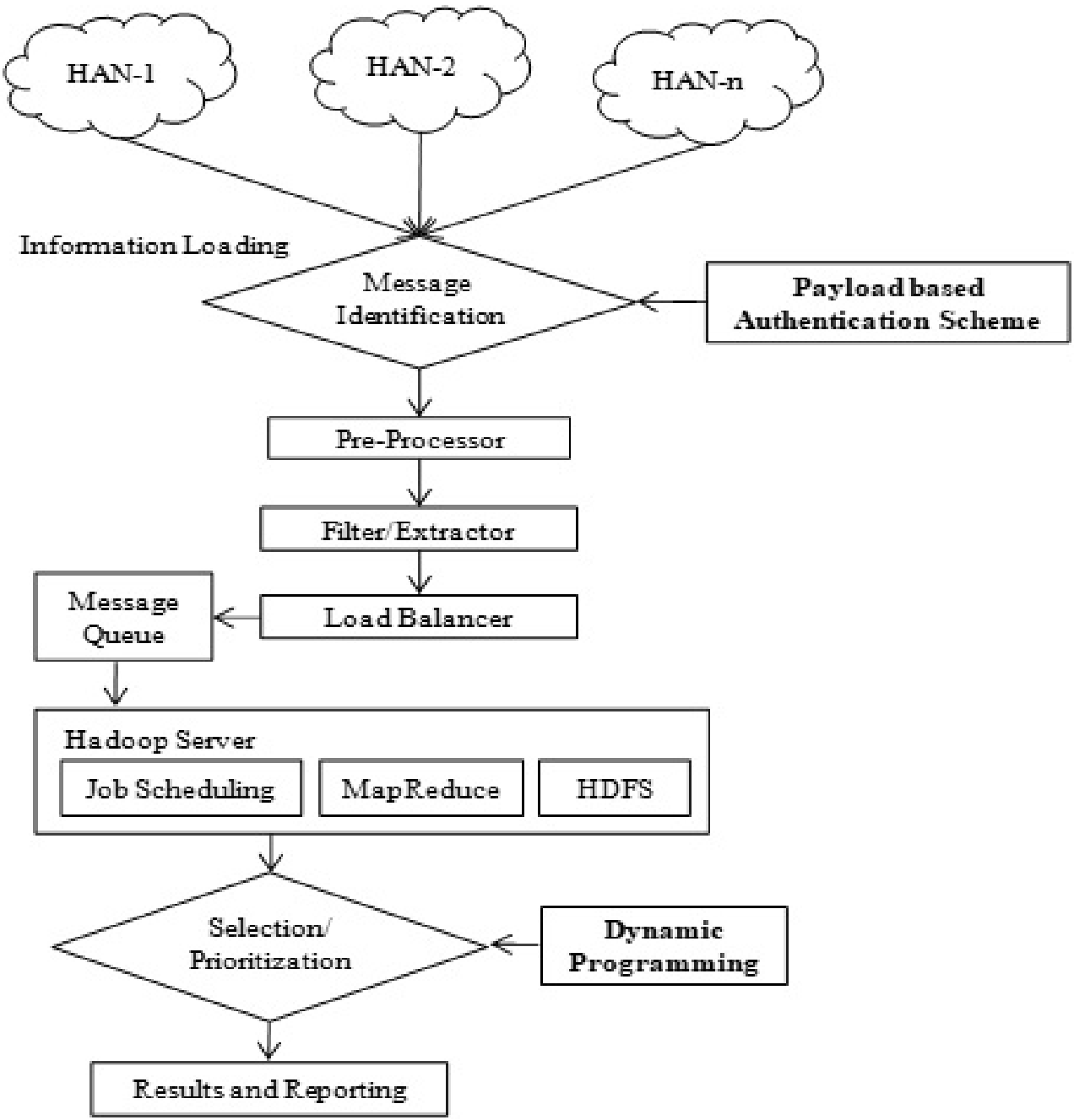 Figure 2: Overview of the DSM Engine layers and technology stack.
Experimental Results: Performance Benchmarks
The system was tested using NetDuino Plus 2 boards and a single-node Hadoop/Spark cluster.
- Response Time: The proposed CoAP-based authentication outperformed DTLS (Indigo) by a wide margin. In scenarios where a smartphone acted as a server (DTLS+), the response time was nearly double that of the proposed lightweight scheme.
- Memory Footprint: The memory usage at compile time was significantly lower than competitive stacks like CoapBlip, making it ideal for devices with KB-level RAM.
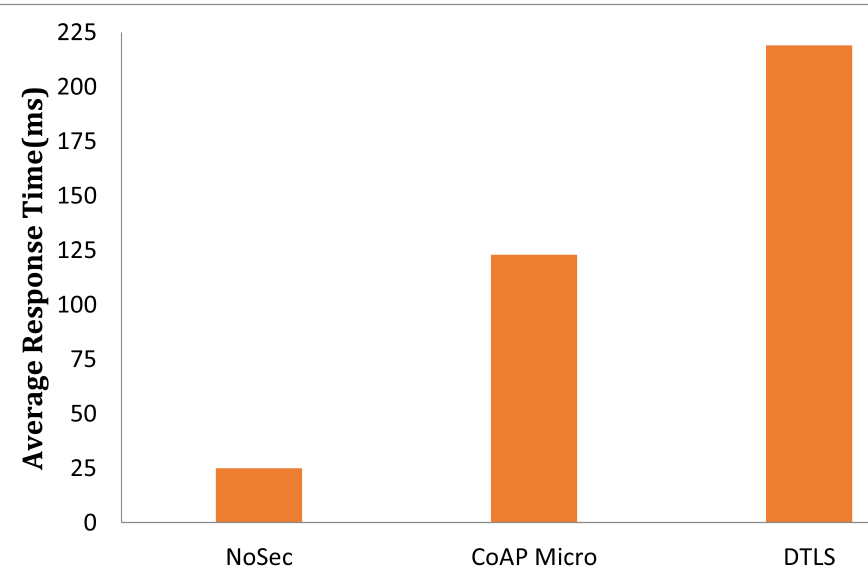 Figure 3: Average response time comparison between proposed and standard protocols.
In practical terms, the DSM engine was able to smooth out the energy consumption of high-drain appliances (like air conditioners) over a one-week period, preventing the "peak" surges that typically stress power grids.
Critical Insight & Conclusion
This paper provides a blueprint for shifting the "intelligence" of the smart home from the edge (which is resource-constrained) to a centralized cloud/fog layer (which is resource-abundant).
Key Takeaways:
- Security doesn't have to be heavy: By moving authentication into the application layer (payload), we can protect IIoT devices without killing their batteries.
- Scalability via Big Data: Using Hadoop and Spark isn't just for "web search"; it is a viable path for managing the complex energy needs of a smart society.
Limitations: While the centralized approach is efficient, it introduces a single point of failure. Future research should explore "Decentralized" DSM engines using edge computing or Blockchain to ensure the system remains resilient if the central server goes offline.