
AutoCrisp: Empowering Clinicians with Self-Service Predictive Analytics for Adverse Events
Self-Service Data Science for Adverse Event Prediction in Electronic Healthcare Records
The paper introduces AutoCrisp, an automated self-service data science prototype designed for multivariate sequential classification on Electronic Healthcare Records (EHR). It empowers medical domain experts to predict clinical adverse events, such as bleedings in LVAD patients, achieving a high AUC of 0.843 without requiring programming or deep data mining expertise.
TL;DR
Predicting medical adverse events (like internal bleeding) from Electronic Healthcare Records (EHR) is notoriously difficult due to the "messy" nature of clinical data. AutoCrisp is a new self-service prototype that automates the entire data science pipeline—from cleaning to modeling—allowing healthcare professionals to build high-performance predictive models (AUC > 0.84) without writing a single line of code.
Background: The Gap Between Medical Expertise and Data Science
While data is the "new oil" in healthcare, researchers are often "drowning" in it. The primary barrier isn't a lack of data, but the lack of accessible tools. Medical experts understand the clinical context but rarely possess the Python/R skills to handle Multivariate Sequential Classification (MSC)—the task of looking at multiple medical variables over time to predict a future event.
The "Messy" Reality of Healthcare Data
The authors identify four characteristics that make EHR data a nightmare for standard algorithms:
- Multivariate: Dozens of lab values and medications measured simultaneously.
- Heterogeneous: A mix of numbers (labs), categories (diagnoses), and durations (medication).
- Irregularity: Measurements aren't taken every hour; they happen whenever the doctor orders them.
- Sparsity: Large gaps where no data exists for certain variables.
Methodology: Automating the CRISP-DM Cycle
AutoCrisp doesn't just run a model; it guides the user through the CRISP-DM (Cross-Industry Standard Process for Data Mining) framework.
1. Automated Data Understanding
The tool generates three automated reports: Description, Quality, and Exploration. This allows clinicians to see, for example, if a specific lab value like Lactate Dehydrogenase shows a trend before a bleeding event occurs.
2. High-Friction Data Preparation
This is where AutoCrisp shines. It transforms raw time-series data into a "feature space" using rolling windows. It offers sophisticated methods like Frequent Pattern Mining, which looks for specific sequences of medical events that precede a complication.
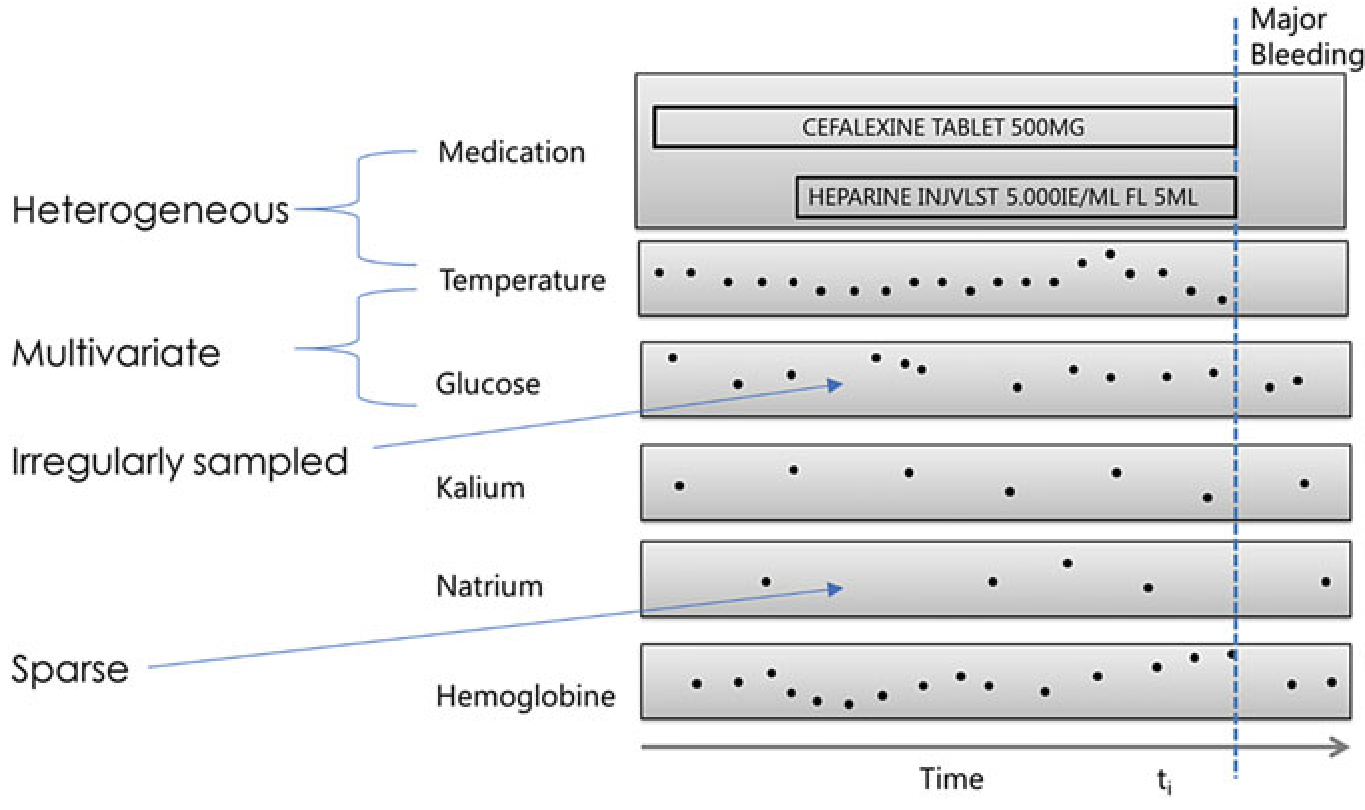 Figure 1: The Research Approach integrating Design Science with the CRISP-DM cycle.
Experimental Results: Predicting Bleedings in LVAD Patients
The researchers tested AutoCrisp on a cohort of patients with Left Ventricular Assist Devices (LVAD). Their goal: predict life-threatening bleeding events.
Key Findings:
- The Power of Cleaning: Discarding data from the 7 days after an event (which is often "noisy" due to hospital intervention) significantly improved model accuracy.
- Algorithm Performance: Random Forest emerged as the most stable classifier, particularly when paired with oversampling to handle "unbalanced" data (where 98% of the time, patients are not bleeding).
- Predictive Success: The model achieved an AUC of 0.824 for immediate classification and maintained high performance even when predicting a week in advance.
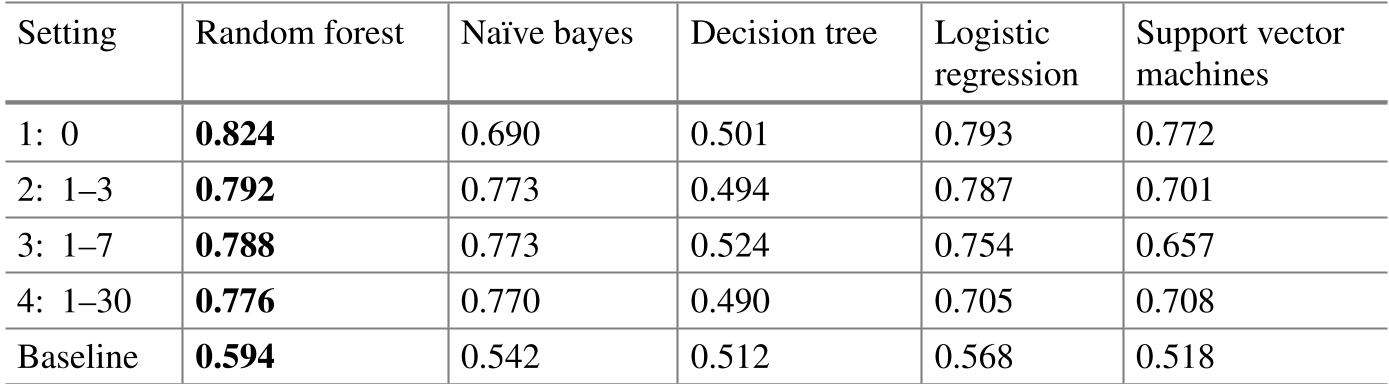 Table 1: Comparison of different classification algorithms across varying prediction windows.
Critical Insight: Transparency Matters
The authors emphasize that for a doctor, a "black box" prediction is useless. AutoCrisp includes a visualization of Decision Trees. In the case study, the tree correctly prioritized Hemoglobin and Lactate Dehydrogenase—aligning with the clinical intuition of the domain experts and building trust in the system.
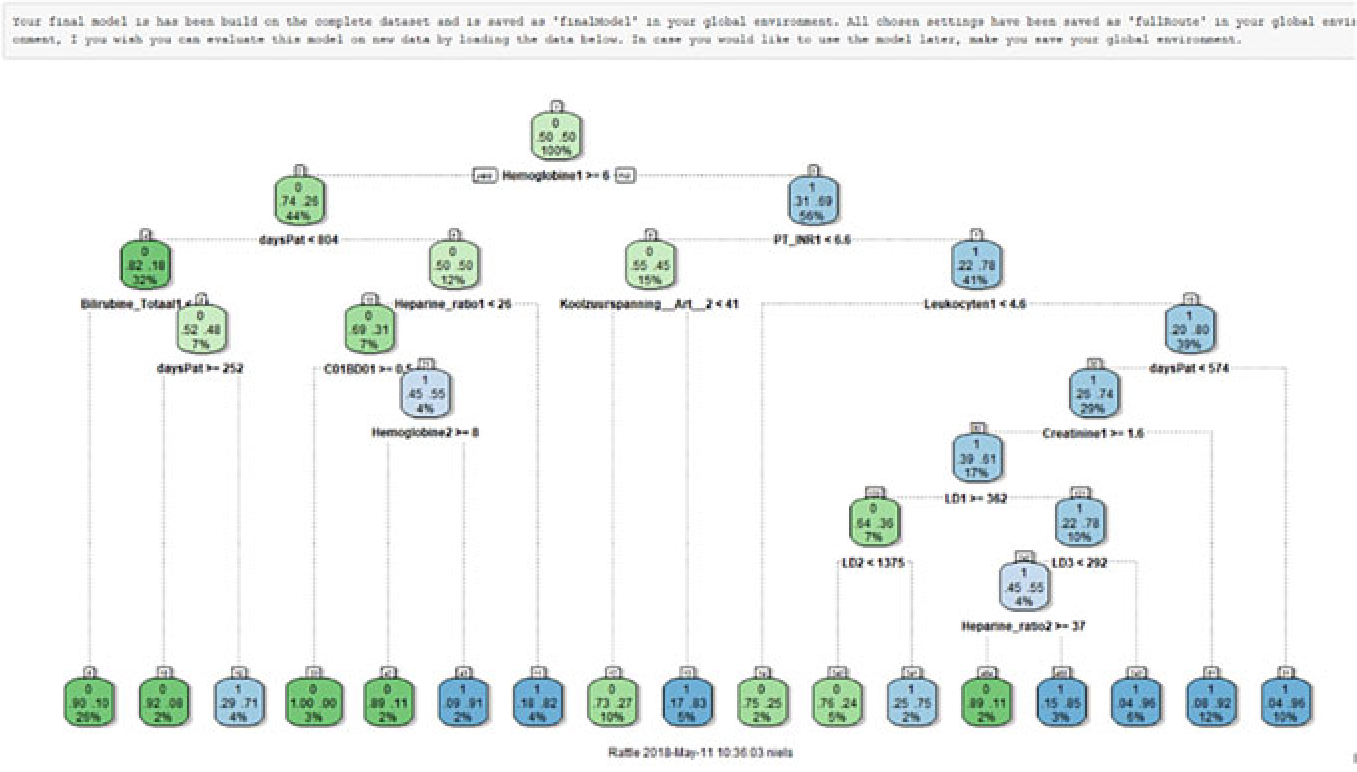 Figure 2: A transparent decision tree model showing how clinical variables trigger a bleeding prediction.
Conclusion & Future Outlook
AutoCrisp proves that the "Data Scientist shortage" in healthcare can be partially mitigated by Self-Service Data Science. By automating the "boring" but complex parts of data engineering, we can put the power of predictive medicine directly into the hands of those who save lives.
Limitations: The study notes that while sophisticated imputation (MICE, Amelia) and feature selection (Boruta) are available, they didn't always provide a massive boost in this specific case, suggesting that clinical data's inherent "quality" might be a ceiling that even best-in-class algorithms can't easily break.