
Structuring the Harvest: A Semantic Model for Big Data in Agricultural Management
Model for Semantic Base Structuring of Digital Data to Support Agricultural Management
This paper proposes a semantic model and a hybrid cloud-based architecture—integrating Data Lake, NoSQL, and Data Warehouse components—specifically designed for agricultural risk management. The system utilizes Machine Learning and data mining algorithms to structure heterogeneous Big Data (sensor, climate, and soil data) for enhanced decision support.
TL;DR
Modern agriculture is drowning in data but starving for insights. This paper introduces a specialized Semantic Model and Cloud Architecture that harmonizes Data Lakes, Data Warehouses (DW), and Machine Learning. By transforming raw, unstructured Big Data from sensors into structured "Data Marts," the system provides a robust pipeline for predicting agricultural risks and optimizing field management.
Background: Beyond the Traditional Database
In the era of "Agri-Tech," data comes from everywhere—drones, soil sensors, satellites, and meteorological stations. Most existing systems rely on traditional relational databases, which break down when faced with the volatility and heterogeneity of agricultural data. The researchers position this work as a bridge between high-level semantic analysis and low-level cloud implementation, moving beyond simple storage to "Semantic Integration."
The Core Problem: The Complexity of Multi-Source Data
Prior work in Data Warehousing often ignored unstructured data (text, video, audio) or treated it as a secondary thought. The agricultural sector faces a unique challenge:
- Scalability: Seasonal peaks in data volume (e.g., harvest sensor logs).
- Heterogeneity: Combining a PDF soil report with a real-time IoT moisture stream.
- Latency: Risk management requires near real-time processing, which traditional ETL (Extract, Transform, Load) processes cannot always support.
Methodology: The Hybrid Cloud Architecture
The authors propose a "Hybrid" approach that leverages the best of both worlds: the flexibility of NoSQL/Data Lakes and the analytical rigor of Multidimensional Data Cubes.
1. The Data Highway and Lake
Instead of forcing data into tables immediately, everything flows into a Data Lake. This acts as a staging ground where "Wrappers" (middleware) manage different data speeds.
2. Semantic Structuring
The semantic layer ensures that the system understands the intent of the data. By defining relationships between entities (e.g., Soil -> Moisture -> Yield Risk), the model allows for more flexible querying than a rigid SQL schema.
3. Knowledge Discovery via Machine Learning
Once refined in the Data Lake and categorized into Data Marts, the data is fed into Machine Learning algorithms. These algorithms perform "Data Fusion," normalizing disparate vectors to predict patterns like drought risk or pest outbreaks.
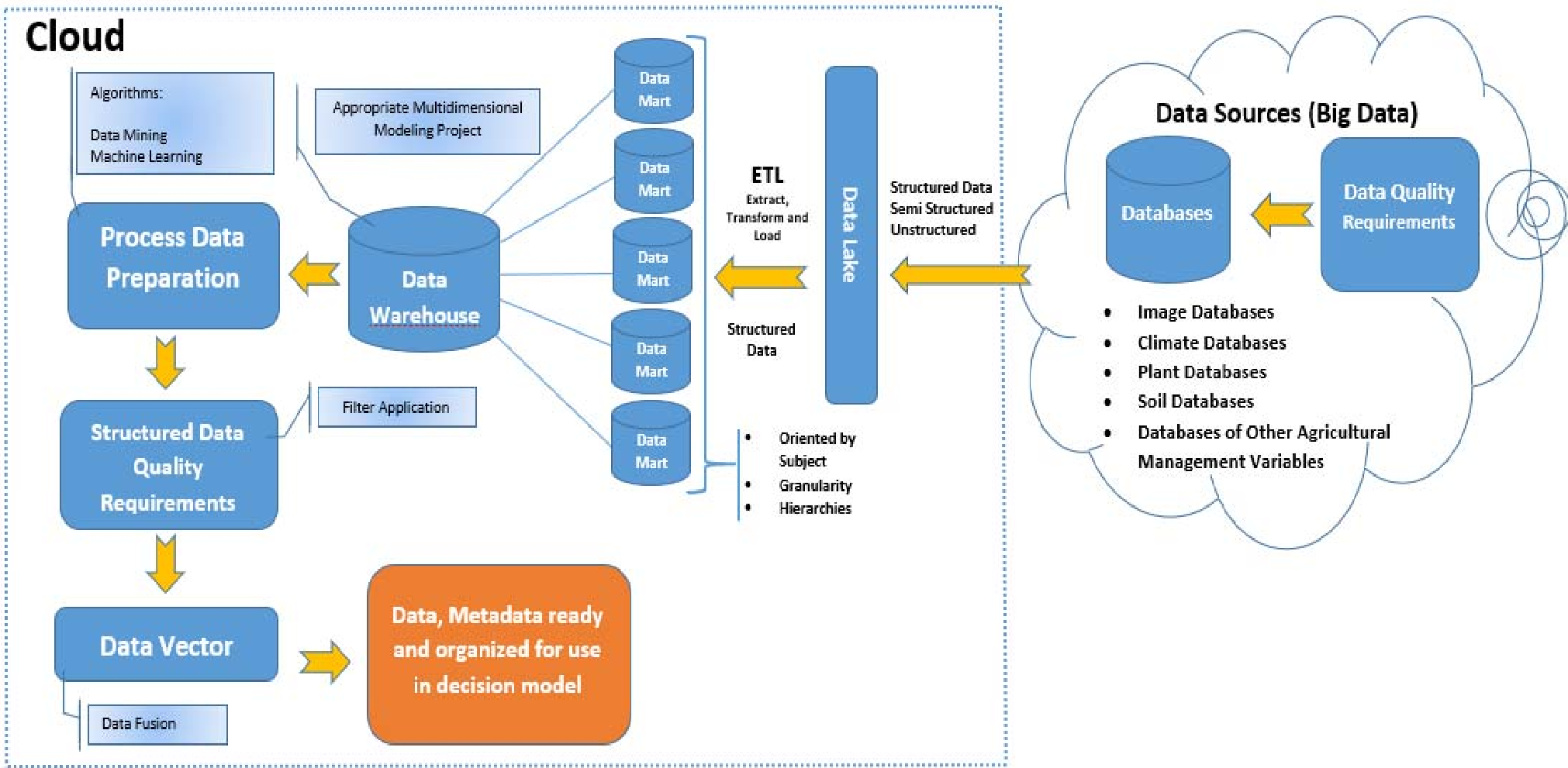 Figure 1: The proposed hybrid architecture showing the flow from Big Data sources to the refined Data Warehouse.
Implementation & Visualization
To ensure the system is implementable, the authors utilized UML (Unified Modeling Language) to map the logic. This methodology clarifies the transition from raw data capture to real-time decision support.
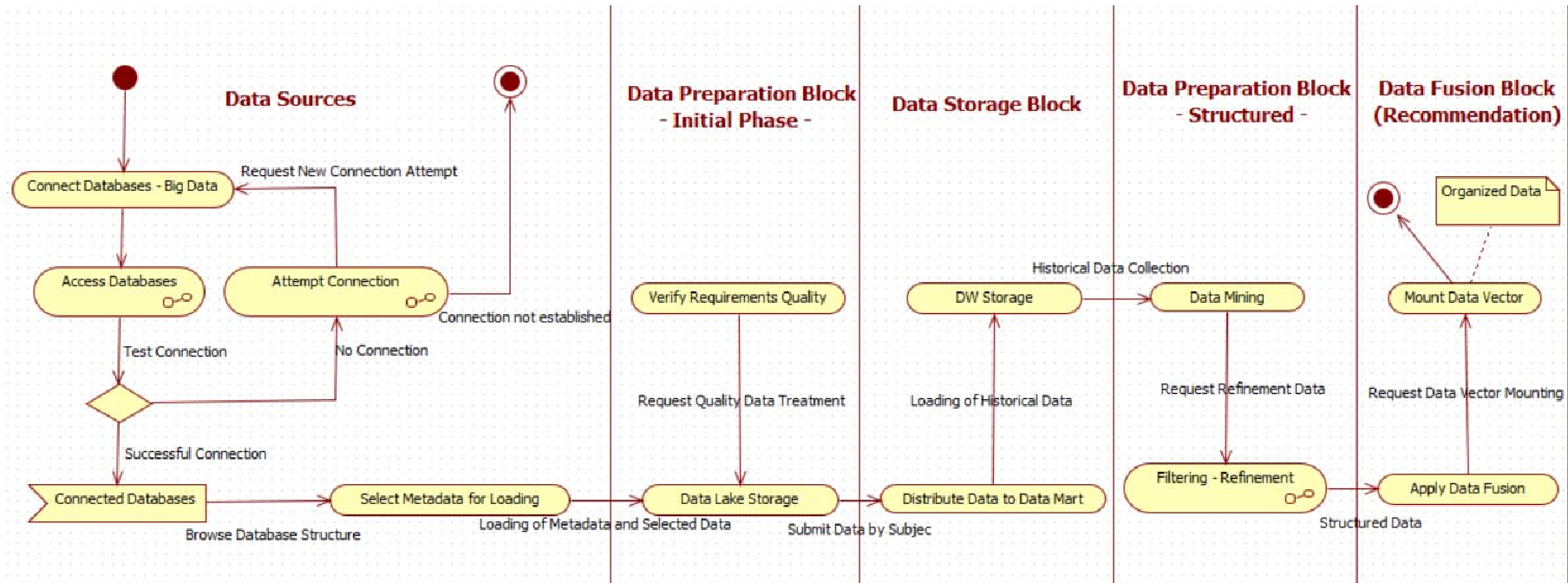 Figure 2: The UML Activity Diagram illustrating the operational flow of semantic analysis and data mining.
Critical Insight: Why This Matters
The true value of this work lies in its Data Preparation and Normalization strategy. In agricultural management, "garbage in, garbage out" is a literal threat. By integrating a quality selection step after the Data Lake but before the Machine Learning phase, the authors ensure the predictive models are trained on reliable, filtered information.
Conclusion and Future Outlook
While the paper provides a strong structural framework, the next frontier will be the Deep Integration of Real-Time Edge Computing. Moving the "filtering" and "semantic analysis" closer to the sensors (on drones or tractors) could further reduce the cloud latency discussed here. As agricultural risk becomes more volatile due to climate change, these semantic models will be the backbone of food security systems.
Takeaways for Researchers:
- Semantic Overlays: Use them to handle the variety of Big Data.
- Hybrid Storage: Stop choosing between Data Lakes and Warehouses; use a tiered "Highway" approach.
- Validation: Employ UML to bridge the gap between conceptual semantic models and technical software architecture.