
Semantic Social Networks: Reimagining Integrated Healthcare for Comorbid Patients
Semantic Social Networks for Integrated Healthcare
This paper proposes a novel framework for integrated healthcare by blending Semantic Web technologies with Heterogeneous Social Networks based on Actor-Network Theory (ANT). It introduces a model where patients, medical conditions, and clinical guidelines are treated as symmetric "actors" to better manage chronic patients with comorbidities.
TL;DR
The management of chronic patients with multiple conditions (comorbidities) is one of the greatest challenges in modern medicine. This paper moves beyond traditional "hospital-centric" integration to propose a Semantic Social Network. By treating diseases, medications, and patients as equal "actors" in a unified digital ecosystem, the researchers aim to provide personalized empowerment and smarter decision support.
Problem & Motivation: The Fragmentation of the "Whole Patient"
Despite decades of IT in medicine, integration has focused on tertiary levels (connecting hospital systems) rather than the actual life of the patient. For the chronic patient, the reality is often "comorbidity"—having multiple, interacting disorders.
Traditional medical guidelines are silos. If you have Heart Failure and Diabetes, the treatments might clash. The authors argue that current social networks (like CarePages) are good at linking people but bad at explaining why they are linked. We need a system that understands the "objects" of our health—the diseases and treatments themselves.
Methodology: Sociality with Objects
The core innovation of this work is the application of Actor-Network Theory (ANT) to healthcare.
1. Heterogeneous Social Networks
Following the principle of "Generalized Symmetry," the authors suggest that human and non-human entities (actors) should be treated equally. In this model:
- Humans: Patients, Doctors, Caregivers.
- Non-humans: Health conditions (ICD-10 codes), Interventions (drugs, diets), and Organizations.
2. The Semantic Glue (UMLS & RDF)
To make this network functional, the authors use the Unified Medical Language System (UMLS). They use RDF (Resource Description Framework) triples (Subject-Predicate-Object) to link resources. For example, a "Patient" (Subject) is linked via "HasCondition" (Predicate) to "Type II Diabetes" (Object).
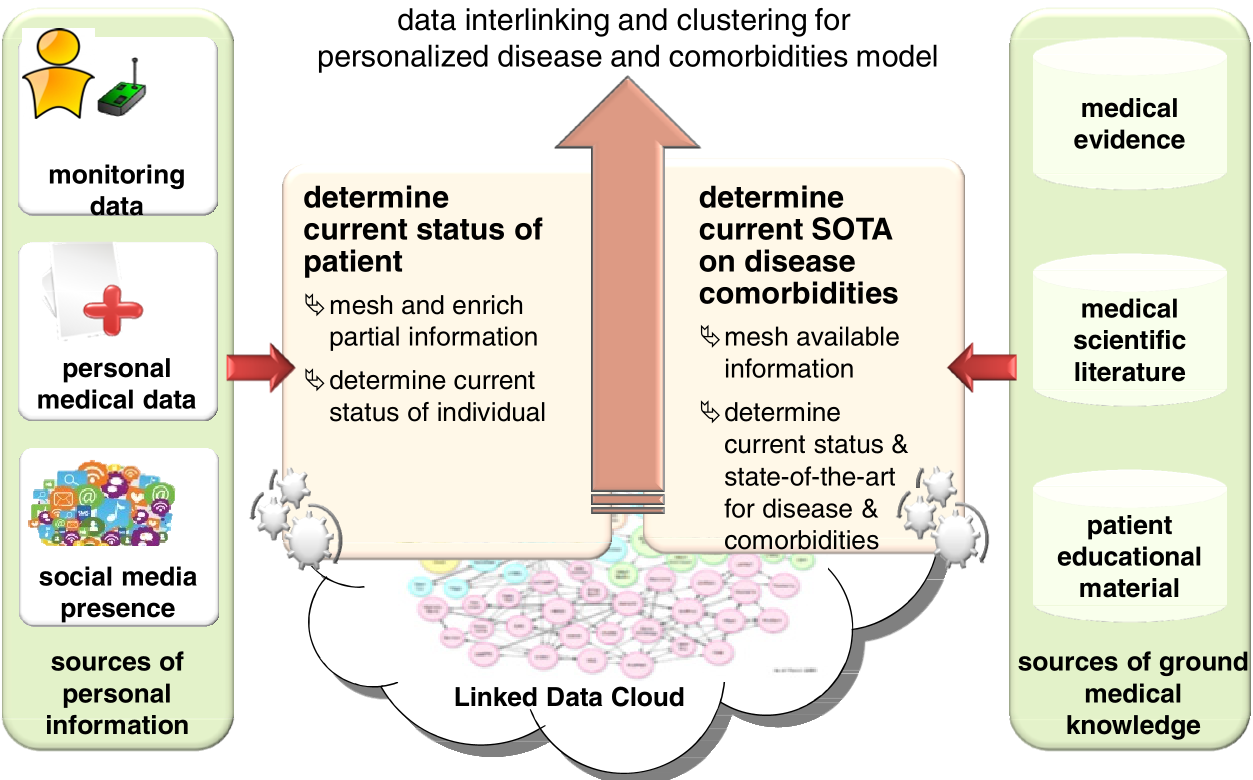 Figure 1: Simplified view of the Semantic Social Network model integration.
3. ANT Concepts in Action
- Translation: How disparate entities connect. For example, a research paper on comorbidities "translates" a theoretical risk into a clinical treatment path.
- Black Boxes: When a treatment for a chronic condition becomes stable and standardized, it is "black-boxed" to simplify the patient's cognitive load.
- Obligatory Points of Passage: Essential lifestyle changes or protocols that all other network relations must eventually pass through to ensure health.
Experiments & Preliminary Results
The researchers implemented a subset of the UMLS Semantic Network, focusing on temporal properties of clinical pathways.
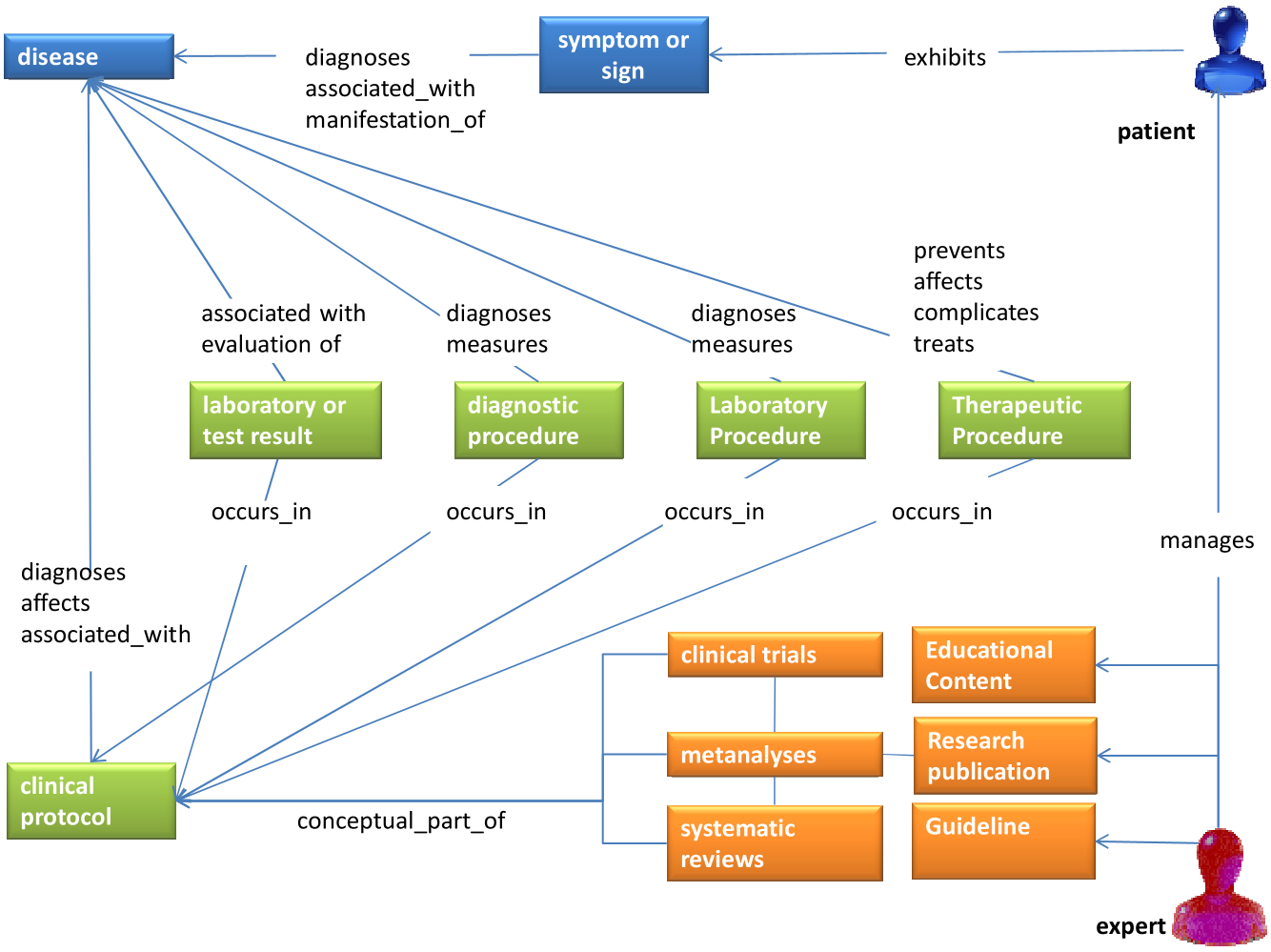 Figure 2: Conceptual mapping of actors and interactions in the clinical environment.
By visualizing these connections:
- Individual View: Patients can find expert doctors or peers with the exact same combination of conditions.
- Resource View: Researchers can identify new epidemiological trends by seeing how "interventions" interact with "conditions" across the whole network.
Critical Analysis & Conclusion
Takeaway
The shift from "Health IT" to "Semantic Social Networks" represents a move toward Patient Empowerment. It allows the patient to navigate their health not as a series of disconnected appointments, but as a dynamic, visible graph of actors and influences.
Limitations
- Privacy vs. Sociality: Sharing detailed medical data on a social network is inherently risky. The authors propose an "anonymity layer," but maintaining medical validity while ensuring true anonymity remains a technical hurdle.
- Complexity: UMLS is massive. Simplifying it into a user-friendly frontend without losing clinical nuance is a significant UI/UX challenge.
Future Work
The authors look toward developing a full "Ontology of Comorbidities" to predict disease progression pathways, turning the network into a proactive health assistant rather than just a reactive record-keeper.