
Flink: Bridging Social Structure and Cognitive Diversity via Semantic Technology
Application of semantic technology for social network analysis in the sciences
This paper introduces Flink, a semantic technology-based system for Social Network Analysis (SNA) that aggregates heterogeneous electronic data sources (web, email, publications). It applies this method to the Semantic Web research community, confirming the Structural Holes hypothesis and traditional centrality metrics while introducing cognitive diversity as a novel predictor of scientific performance.
TL;DR
This research presents Flink, a system that uses Semantic Web technologies to automate the mapping of scientific communities. By crawling the web, emails, and publication databases, the authors didn't just rebuild a social graph—they proved that cognitive diversity (interacting with people who have different research interests) is a superior predictor of scientific impact than just "being well-connected."
The Pain Point: Scaling the "Invisible College"
In the sociology of science, researchers are often organized into "invisible colleges"—informal networks that drive innovation. Historically, studying these required manual surveys. Moving to electronic data solved the scale problem but created a heterogeneity nightmare:
- How do you know that a "Peter Mika" in an email header is the same "P. Mika" in a Google Scholar citation?
- How do you merge a social tie from a mailing list with a co-authorship tie?
The authors argue that without Semantic Technology, we are just looking at fragmented snapshots of a community rather than a holistic social-cognitive map.
Methodology: The Flink Architecture
Flink operates on a three-layer model: Acquisition, Representation, and Visualization.
1. Multi-Source Acquisition
The system extracts data from:
- Web Mining: Using Google to find co-occurrences of names.
- Email Archives: Parsing headers from community mailing lists.
- Bibliographic Data: Scraping Google Scholar for metadata.
2. Semantic Integration (The Secret Sauce)
Using RDF (Resource Description Framework) and OWL (Web Ontology Language), Flink performs "Identity Reasoning." It doesn't just match strings; it uses logic rules to conclude that multiple fragments of information refer to the same individual.
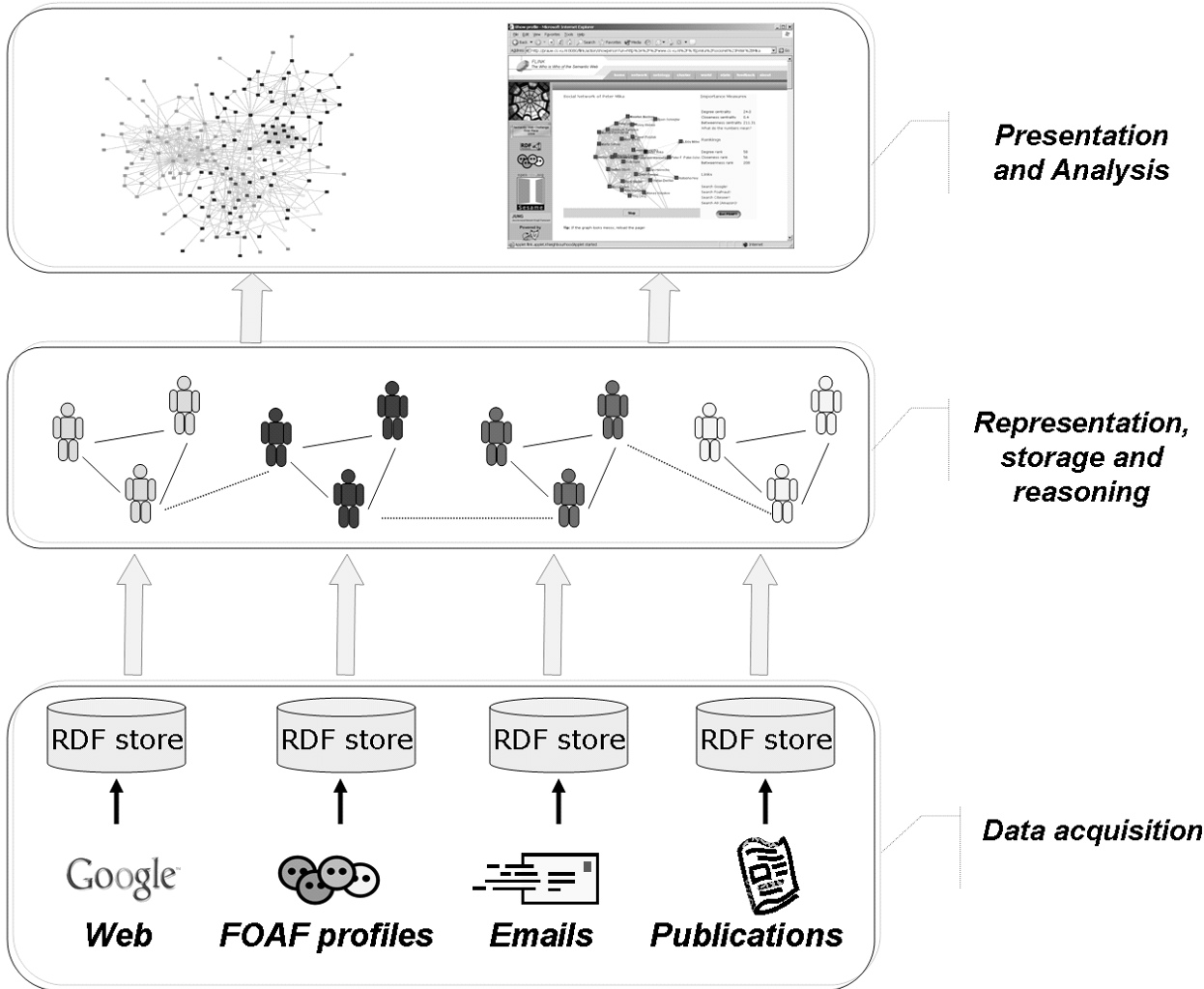 Figure 1: High-level overview of the Flink architecture showing the flow from raw data to semantic knowledge base.
Beyond Structure: Defining "Cognitive Diversity"
The paper's most brilliant insight is moving beyond "Structural Holes." While Ronald Burt famously argued that bridging gaps between unconnected groups provides an advantage, he focused on structure. Mika et al. look at content.
They defined Content-Degree: the number of people in your network who possess research interests that you do not have. This measures your access to "fresh" information.
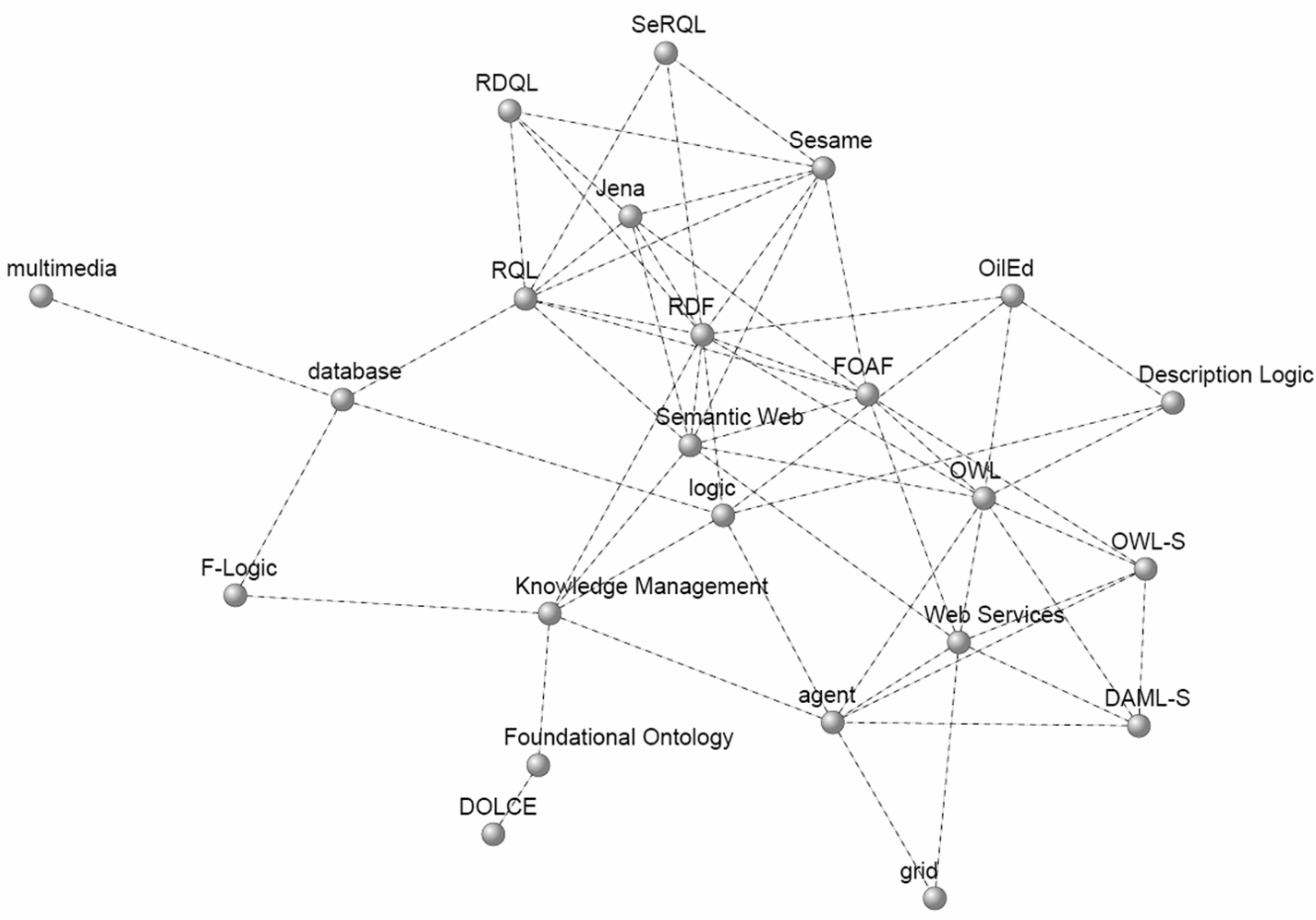 Figure 2: The cognitive ontology used to map research topics and calculate diversity.
Experiments & Results: Why Junior Researchers Win
The study analyzed 608 researchers in the Semantic Web field. The results provided a dual-layered validation:
- Structure Matters: High degree and low clustering (meaning you are a "broker" in a sparse network) correlated with a higher volume of publications.
- Diversity Wins for Newcomers: For junior researchers (≤ 4 years of experience), Content-Degree was a stronger predictor of Impact (citations) than the total number of ties.
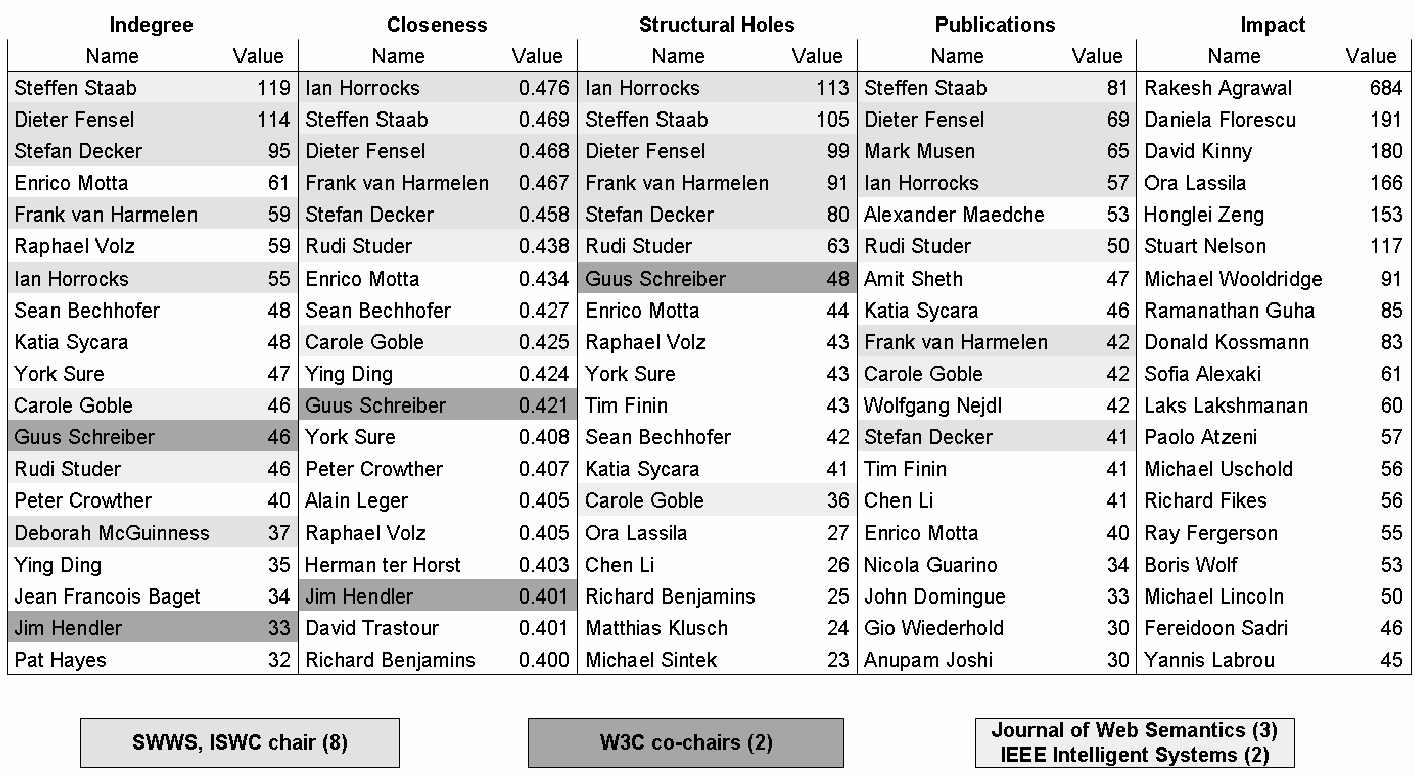 Table 1: Top-ranking actors by centrality align perfectly with real-world chairs and editors, validating the electronic extraction method.
Deep Insight: The Value of Semantic Reasoning
The "magic" of this work isn't just the graph analysis; it's the Identity Reasoning. By using a knowledge base, Flink can infer that if Person A co-authored a paper with Person B, they "know" each other, even if they never appeared together on a web page or mailing list. This triangulation reduces the "noise" typical in pure web-mining approaches and provides a robust dataset for social scientists.
Summary & Future Outlook
Mika and his team demonstrated that the Web isn't just a place to find facts; it's a trace of human collaborative intelligence.
Takeaway: In an era of AI and hyper-specialization, the most successful researchers aren't those with the most friends, but those whose "social silos" are the most cognitively varied.
Limitations: The system still struggles with extremely common names (e.g., "Martin Frank") and relies on search engine coverage, which can introduce geographic bias. Future work in Large Language Models (LLMs) for entity disambiguation could likely solve the remaining 10% of these semantic errors.