
Sensor-Cloud Convergence: The Blueprint for Proactive Smart Healthcare
Towards Sensor-Cloud Based Efficient Smart Healthcare Monitoring Framework using Machine Learning
This paper introduces a Sensor-Cloud based smart healthcare monitoring framework that integrates Biomedical Wireless Sensor Networks (BWSN) with Cloud Computing and Machine Learning. The proposed system shifts medical monitoring from reactive to proactive by leveraging a layered architecture for real-time predictive analytics and disease classification.
TL;DR
The medical industry is moving away from "reactive" care—treating illnesses after they occur—toward "proactive" monitoring. This paper proposes a robust framework that combines Biomedical Wireless Sensor Networks (BWSN) with Cloud Computing and Machine Learning. By offloading complex data processing to a "Sensor-Cloud" environment, the authors provide a scalable solution for real-time health prediction and lifestyle recommendations.
Problem: The Resource Bottleneck in Wearable Tech
While wearable health sensors are becoming ubiquitous, they suffer from a fundamental paradox:
- Data Explosion: Continuous monitoring generates massive streams of multi-modal data (ECG, physical activity, nutrition).
- Resource Constraints: Tiny sensors have extremely limited battery life, memory, and processing power.
Existing standalone systems often fail to look at the "big picture," focusing only on isolated metrics without historical context, which prevents true predictive healthcare.
Methodology: The Sensor-Cloud Architecture
The core innovation lies in the Sensor-Cloud infrastructure, which virtualizes physical sensors. This allows the system to manage sensors across different geographic areas while performing heavy ML computation in a centralized, resource-rich environment.
The Layered Strategy
The framework is organized into three distinct layers:
- Data Acquisition Layer: Implements plug-and-play compatibility for diverse sources (wearables, labs, clinics).
- Data Storage & Analytics Layer: The "brain" of the system, where a cloud-based ML engine processes structured and unstructured data.
- Presentation Layer: A user interface for doctors and caregivers to access real-time insights and decision-support alerts.
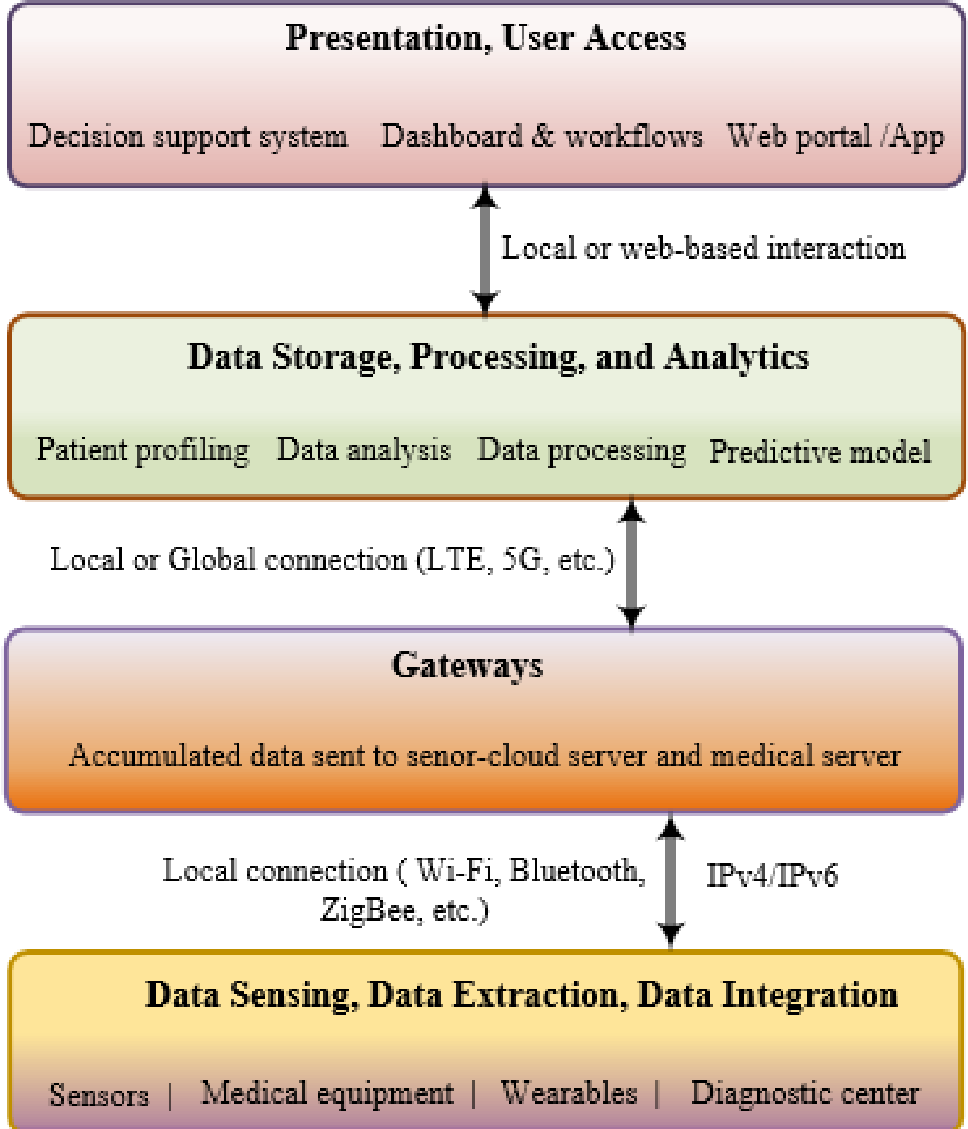 Figure 1: The proposed layered structure for scalable healthcare monitoring.
Turning Data into Decisions with Machine Learning
The paper emphasizes the transition from simple data collection to Predictive and Prescriptive Analytics.
The Prediction Pipeline
The predictive model follows a rigorous workflow:
- Feature Selection: Using "Wrapper methods" to reduce the number of input variables, thereby lowering computational costs.
- Classification: Utilizing Supervised Learning algorithms (Decision Trees, SVMs, Logistic Regression) to identify potential health risks based on historical and real-time data.
- Cross-Validation: Ensuring the model's reliability before it reaches the clinician.
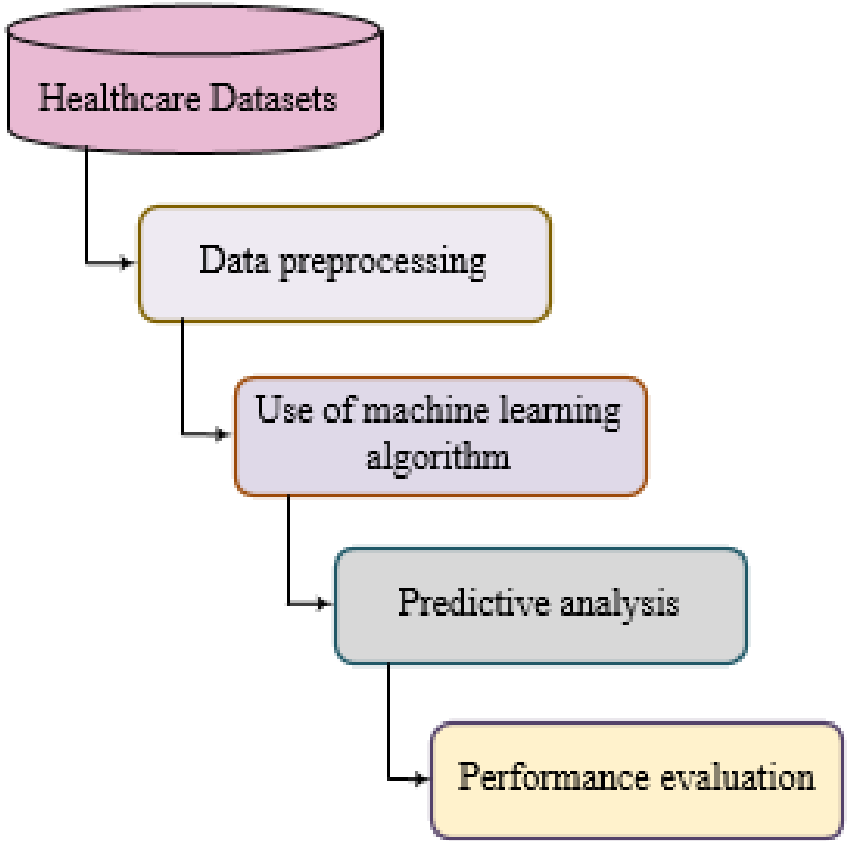 Figure 2: The Machine Learning workflow within the Sensor-Cloud ecosystem.
Critical Analysis & Future Outlook
The strength of this framework is its Scalability. By virtualizing sensors, it removes the 1-to-1 link between a sensor and an application, allowing medical data to be used more flexibly across different platforms.
Limitations: As a short paper, it primarily focuses on the conceptual framework. Future work must address data security and privacy (crucial for HIPAA compliance) and provide quantitative results on latency and prediction accuracy in real-world clinical trials.
The Takeaway for Developers: If you are building IoT health solutions, focus on "Cloud Offloading." The future isn't in making the sensor smarter, but in making the cloud-to-sensor orchestration more seamless.