
SERMO: Bridging the Mental Health Gap with CBT-Powered Chatbots
A Mental Health Chatbot for Regulating Emotions (SERMO) - Concept and Usability Test
The paper introduces SERMO, a German-language mobile chatbot designed for emotion regulation using Cognitive Behavioral Therapy (CBT) principles. It utilizes a lexicon-based Natural Language Processing (NLP) approach to automatically detect five basic emotions from unconstrained user input to suggest personalized mindfulness and coping exercises.
TL;DR
SERMO is a specialized mobile chatbot designed to support emotion regulation through Cognitive Behavioral Therapy (CBT). Unlike many rigid, button-based assistants, SERMO uses Natural Language Processing (NLP) to analyze German free-text, identify five core emotions, and offer real-time psychological interventions. While it excels in utility and clarity, it highlights the ongoing challenge of making "clinical" AI engaging for long-term use.
Background: The Resource Crisis in Mental Health
With nearly 29% of the global population affected by mental disorders, the shortage of psychiatrists is a critical bottleneck. In developing nations, the ratio is as low as one psychiatrist per ten million people. SERMO enters this space not as a replacement for therapists, but as a "digital bridge"—a tool to help patients manage crises and monitor moods between weekly sessions.
The Problem: The "Rigidity" of Modern Chatbots
Most existing mental health bots (like early versions of Woebot) rely on predefined decision trees. While safe, this limits the user's ability to express complex feelings in their own words. Furthermore, non-English speakers often lack access to localized clinical tools that understand the cultural and linguistic nuances of emotional expression.
Methodology: How SERMO "Feels" the Text
SERMO’s core logic is built on the ABC Theory of Albert Ellis:
- A (Activating Event): What happened?
- B (Belief): What were your thoughts about it?
- C (Consequence): How do you feel now?
Technical Architecture
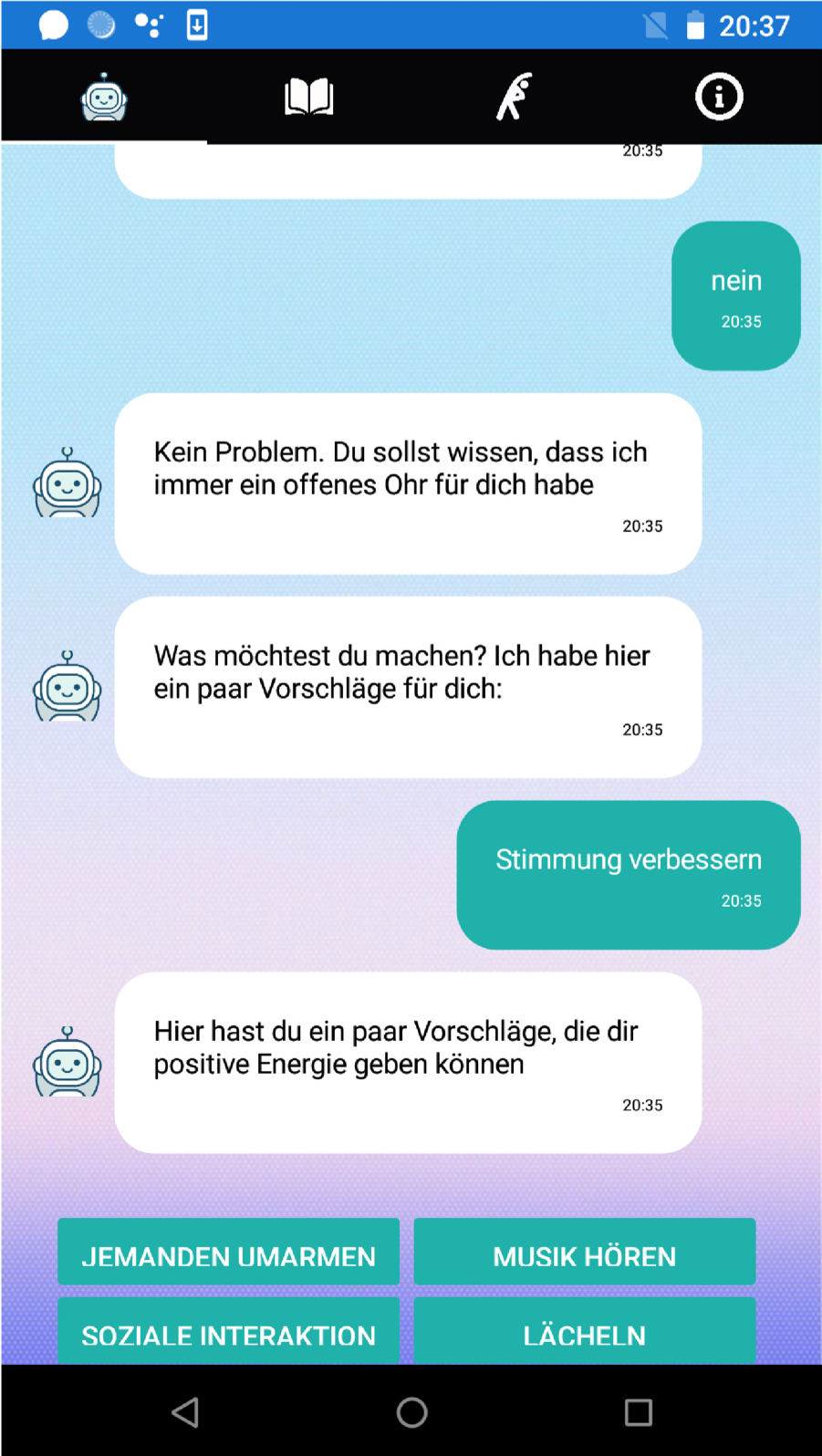
The bot is built using the OSCOVA framework, allowing it to run offline—a crucial feature for user privacy and accessibility. The emotion recognition pipeline follows a six-step process:
- Tokenization & Filtering: Cleaning the user input.
- Lexicon Lookup: Matching words against the SentiWS (German emotional dictionary).
- Fuzzy Matching: Accounting for typos and slang.
- Classification: Assigning one of five emotions: Fear, Anger, Grief, Sadness, or Joy.
Experiments & User Insights
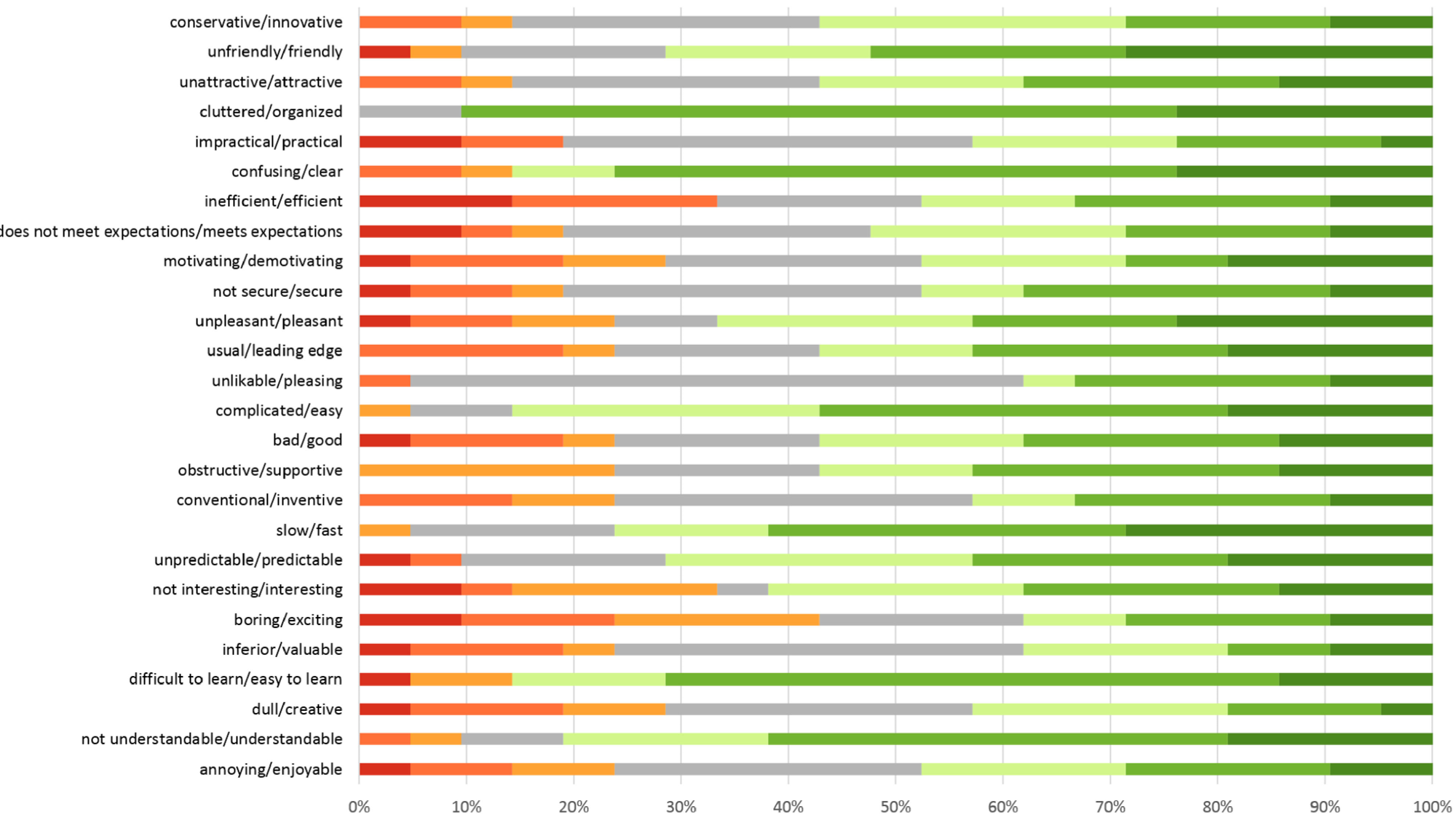
The researchers conducted a usability test with 21 participants, including clinical experts and patients. The results were measured using the User Experience Questionnaire (UEQ).
- The Good: Users found the app highly efficient and easy to navigate (Perspicuity). Psychologists were particularly impressed with its potential for patients who find face-to-face encounters difficult.
- The Bad: The "Hedonic Quality" (stimulation and novelty) was rated neutrally. Users found the bot's responses somewhat repetitive after several days of use.
- The Performance: In a preliminary test using text from a depression forum, SERMO achieved 81% accuracy in emotion detection.
Critical Analysis: The Road Ahead
SERMO is a significant step forward for German-speaking mHealth, but it faces the classic "AI Safety vs. Flexibility" trade-off.
- Implicit Emotions: The current lexicon approach struggles with sarcasm or implicit sadness (e.g., "The sun doesn't shine inside me anymore"). Future iterations would benefit from Large Language Models (LLMs) like GPT-4 or specialized German BERT models to understand context.
- Engagement (The "Fun" Factor): For a mental health app to work, patients must want to use it. The neutral "stimulation" scores suggest that clinical bots need a boost in "personality" without compromising their therapeutic integrity.
- The "Safety Trigger": A vital takeaway from the expert feedback was the need for an automated "alert" system—if the bot detects suicidal ideation or high-risk behavior, it must immediately flag a human professional.
Conclusion
SERMO proves that a mobile-first, NLP-driven approach to CBT is not only feasible but welcomed by the clinical community. As it moves toward randomized controlled trials, it stands as a blueprint for how we might scale mental health support to the millions currently left waiting in the wings.
Takeaway for Tech Leads: When building clinical NLP tools, focus on Offline-First architectures for privacy, and never underestimate the value of Expert-in-the-loop design to validate conversational flows.