
Smart Guard: Predicting Stroke Onset via Real-Time IoT Monitoring and Self-Learning Engines
Service Based Healthcare Monitoring System for the Elderly - Physical Activity and Exercise
The paper proposes a "Service Based Healthcare Monitoring System" designed for the elderly, specifically targeting the real-time detection of stroke onset during physical activity. The system integrates wearable sensors with a hyper-connected self-machine learning engine to trigger emergency alarms when symptoms reach a 90% prediction threshold.
TL;DR
Researchers have developed a conceptual healthcare monitoring system for the elderly that aims to detect stroke onset the moment it occurs during physical exercise. By combining wearable sensor data—ranging from ECG to smart insoles—with a "hyper-connected self-machine learning engine," the system provides a 90% confidence-based alarm system to ensure victims receive medical aid within the critical one-hour window.
Contextual Background: The Aging Challenge
In regions like South Korea, the elderly population is projected to reach nearly 40% by 2050. Stroke represents the second leading cause of death for those over 60. The primary clinical challenge isn't just treatment, but time. The survival rate increases sixfold if intervention occurs within the first hour, yet most isolated elderly individuals cannot call for help during an attack.
The Pain Point: Why Static Models Fail
Current stroke prediction largely relies on two extremes:
- Clinical Imaging (MRI/CT): Highly accurate but restricted to hospitals and useless for early "at-home" onset detection.
- Demographic Models: These use age and medical history but cannot detect a stroke as it is happening during physical activity.
There is a severe lack of systems capable of monitoring the kinematic and kinetic gait alterations (changes in walking force and balance) that occur during the initial seconds of a brain attack.
Methodology: The "Self-Machine Learning" Architecture
The proposed system moves beyond simple threshold alerts by implementing a complex, multi-layered architecture:
1. The Multi-Modal Knowledge Base
Unlike standard trackers, this system builds a comprehensive profile including:
- Bio-signals: Real-time ECG and blood oxygen.
- Kinematics: Step length, stride width, and joint angles via motion sensors.
- Kinetics: Muscle activity (EMG) and foot pressure (Insole sensors).
2. The Intelligence Layer
The "Self-Machine Learning Engine" acts as a model generator, utilizing architectures like CNN and LSTM to process temporal sequences of movement data.
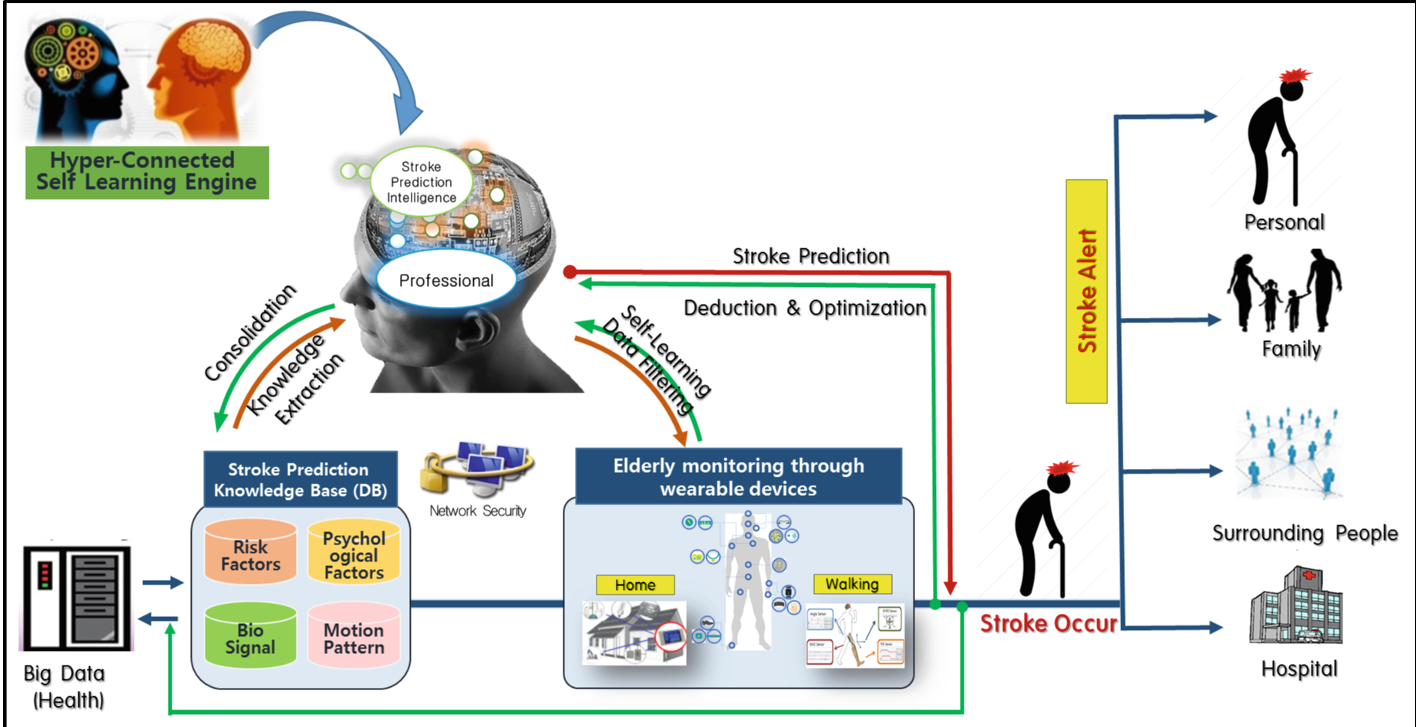 Figure 1: The proposed intelligence framework, showing the flow from wearable sensors to the self-learning engine.
3. Immediate Hardware Integration
The study demonstrates the use of specialized wearable sensors, including EMG sensors for muscle tone and insole type foot sensors to detect the "altered kinematic gait profile" common in stroke victims (e.g., loss of symmetry and force grading).
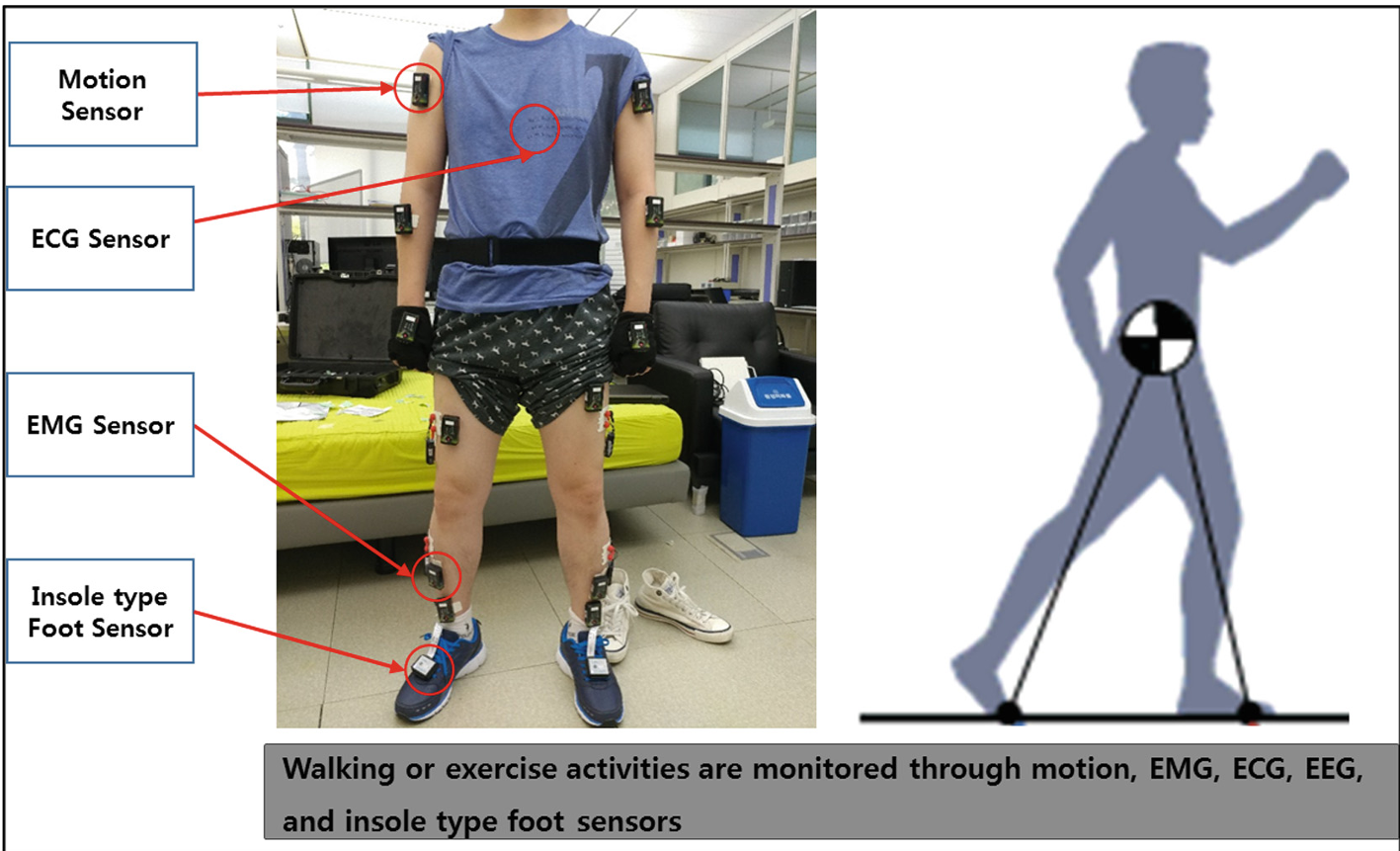 Figure 2: Participant equipped with the multi-sensor wearable array for data collection.
Experimental Insight & Results
The system is designed to provide a high-confidence trigger. When the ML engine predicts stroke symptoms with over 90% probability, it simultaneous alerts:
- The victim and people in the immediate vicinity.
- Family members via mobile gateway.
- Healthcare professionals through the IoT network.
By specifically monitoring gait profile changes—such as sudden dizziness or weakness indicated by step speed and balance metrics—the system bridges the gap between the onset of symptoms and the arrival of emergency services.
Critical Analysis & Conclusion
The Takeaway
This research highlights a shift toward active monitoring. By focusing on the physical activity window (exercise), the authors address the highest-risk period where stroke symptoms might be mistaken for physical exhaustion.
Limitations
As a conceptual framework, the paper lacks large-scale clinical validation data showing "False Positive" rates. In real-world exercise scenarios, distinguishing between "exercise-induced fatigue" and "stroke-induced motor deficits" remains a significant challenge for machine learning classifiers.
Future Outlook
The integration of 5G/6G (Hyper-connectivity) will be essential for reducing latency in these alarm systems. Future iterations may see these sensors integrated directly into everyday clothing (e-textiles), making the 24/7 monitoring of the "Golden Hour" a reality for the aging global population.