
Shaping Social Software for the Frontline: The San-Netz Case Study
Shaping a social soware for a distributed military organisation
This paper presents the development and deployment of "San-Netz," a bespoke Social Networking Service (SNS) designed for the medical personnel of the German Armed Forces (Bundeswehr). Using an iterative, user-centered approach built on the Drupal CMS, the project successfully established a collaborative platform for 1,200 distributed military members to bridge knowledge gaps and foster professional networking.
TL;DR
While social networking is ubiquitous in the corporate world, its implementation in the military—an environment defined by strict hierarchy and "orders"—presents unique psychological and organizational challenges. This paper explores San-Netz, a social networking platform for the German Armed Forces' medical service. By focusing on user-centered use cases rather than rigid functions, the team successfully onboarded 1,200 users, proving that "malleable" software can survive even the most rigid command structures.
Background: Breaking the "Need to Know" Culture
In military settings, information is traditionally handled on a "need to know" basis. However, the modern medical service faces a different reality: it is a distributed workforce of 20,000 people spread across hospitals, mobile units, and universities. The "Enterprise 2.0" vision here isn't just about socializing; it's about Knowledge Transfer. For medical officers-in-training scattered across the country, isolation is a major pain point. They needed a way to bridge the gap between academic theory and the "gritty details" of missions abroad.
The Problem: The "Dumb Question" Paradox
The researchers identified a profound cultural barrier: High Evaluation Apprehension. In an organization where every action is part of a permanent record, users are terrified of looking uninformed. An officer noted: "Every single thing you say or do might come up in your next evaluation."
Traditional software (ERP or CRM) is process-driven and rigid. Social software, conversely, is malleable. The challenge was ensuring this flexibility didn't lead to "Top-Level Subversion," where superiors might try to turn a social tool into a reporting or monitoring device.
Methodology: Drupal as a Collaborative Weapon
The team selected Drupal for its modularity, building a prototype that included:
- Personalized Activity Streams: Tailored awareness of what colleagues are doing.
- Collaborative Knowledge Base: A "Wiki-style" area where anyone can edit.
- Use-Case Documentation: Instead of a "Help" manual, they provided "User Stories" and "Social Guidelines" that redefined digital interaction.
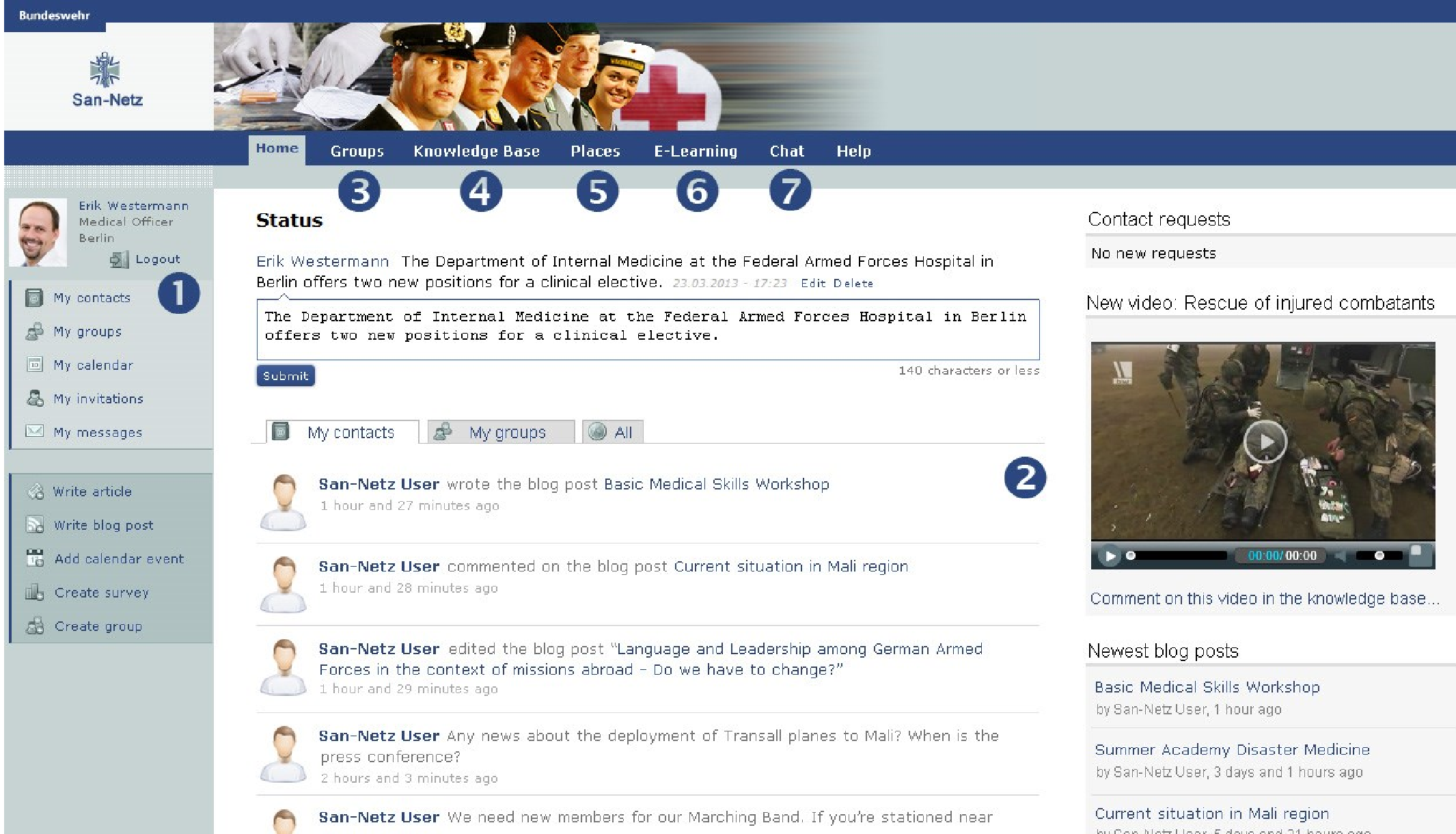
The design philosophy centered on Nutzungsoffenheit. The system didn't tell you how to work; it provided a space where common use cases—like literature research or assistance during missions abroad—could naturally emerge.
Experimental Results: 24/7 Collaboration
The evaluation revealed that military personnel have a high demand for flexibility. Unlike secure military intranets that are only available during office hours, San-Netz saw peak traffic between 8 AM and 10 PM, including significant weekend usage.
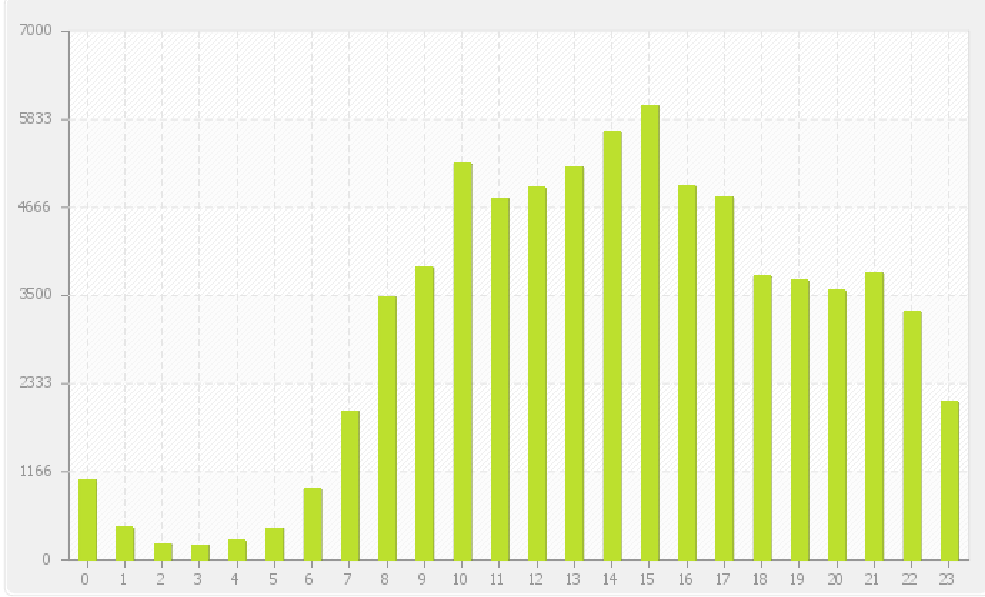
Key Metrics:
- 1,200 Registered Users within the initial rollout.
- 100 Self-Organized Groups: Ranging from "pharmaceutics in military" to "hiking."
- The "Gardeners" Initiative: A group of 10 users proofread and rearranged over 300 articles, creating 742 new versions. This demonstrated that a "bottom-up" approach to maintenance is possible even in a "top-down" culture.
Critical Insight: Hierarchy is the Hardest Bug to Fix
The authors discovered a recurring tendency for the organization to "close" the medium. Superiors frequently requested the ability to disable comments or limit read-write access to "certified persons."
The solution wasn't technical—it was Social Guidelines. The implementation team had to explicitly state that rank does not exist within San-Netz. Supervisors were instructed to respect the privacy of lower ranks and foster open exchange.
Conclusion & Future Outlook
The success of San-Netz demonstrates that Social Software is 20% technology and 80% social engineering. For future Enterprise 2.0 implementations in hierarchical sectors, the takeaway is clear:
- Open Access is Vital: Moving the platform to the public internet (rather than the intranet) was crucial for student access.
- Use Cases over Features: Users don't care about "nodes" or "modules"; they care about how the tool helps them learn about "treatment strategies for paramedics."
- Leadership must Lead: Without top-level support explicitly permitting "failure-free" communication, the fear of evaluation will always stifle innovation.
The project continues to evolve, focusing on "usage-oriented documentation" to show less tech-savvy officers that the digital cafeteria is a safe place to talk.