
SIS Pattern: Engineering the "Wisdom of Crowds" Through Stigmergy
SIS: an architecture paern for collective intelligence systems
The paper introduces the Stigmergic Information System (SIS), a formal software architecture pattern designed for Collective Intelligence Systems (CIS) like Wikis and social networks. It leverages "stigmergy"—an indirect coordination mechanism where agents interact through environmental traces—to enable bottom-up knowledge aggregation and emergent system behavior.
TL;DR
Collective Intelligence Systems (CIS) like Wikipedia and Stack Overflow are more than just web apps; they are complex socio-technical environments. The Stigmergic Information System (SIS) pattern provides a rigorous architectural blueprint for these systems. By using the biological concept of stigmergy—where agents coordinate by leaving traces in their environment—the SIS pattern enables architects to design systems that self-organize from the bottom up, replacing rigid workflows with fluid, emergent intelligence.
Background: Beyond Human-Computer Interaction
While standard software design focuses on the interaction between a user and a machine, CIS design must focus on mediation: how a system facilitates interaction between thousands of users who may never meet. The authors argue that most architects "imprudently reproduce" existing designs (like cloning Facebook's wall) without understanding the why behind the coordination.
The Core Insight: Stigmergy
The secret sauce of the SIS pattern is Stigmergy (from Greek stigma: sign, and ergon: work). In nature, ants coordinate complex bridge-building not through direct communication, but by sensing pheromone trails left by others. In the digital realm, a "like," a "wiki edit," or a "tag" serves as that digital pheromone.
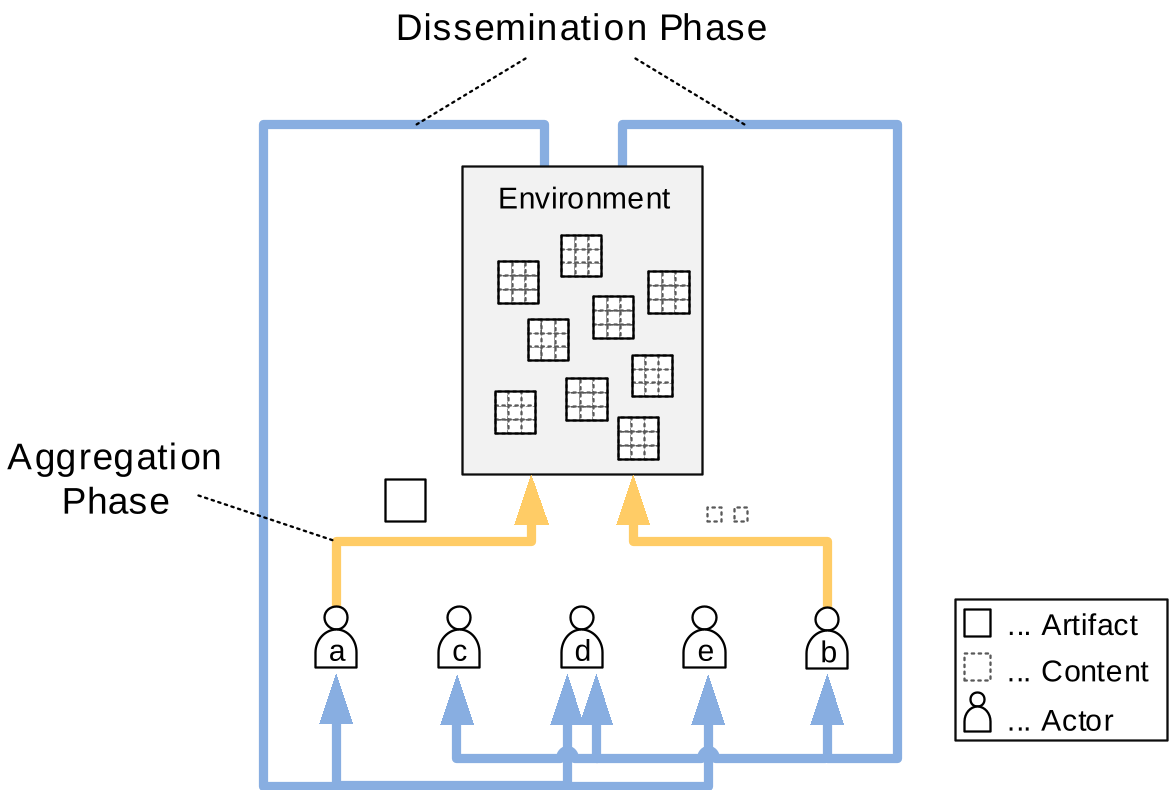 Fig 1: The perpetual feedback loop of content aggregation and dissemination.
Methodology: The SIS Trilogy
The SIS pattern breaks down the architecture into three functional layers:
- Actor Base (Proactive Component): The human users who possess dispersed, local knowledge.
- Artifact Network (Passive Component): The "environment" containing shared content (articles, videos, posts) and the links between them.
- AMD System (Reactive Component): The Analysis, Management, and Dissemination logic. This is the "brain" that monitors the artifact network and sends Triggers (notifications, recommendations) back to the Actor Base to restart the cycle.
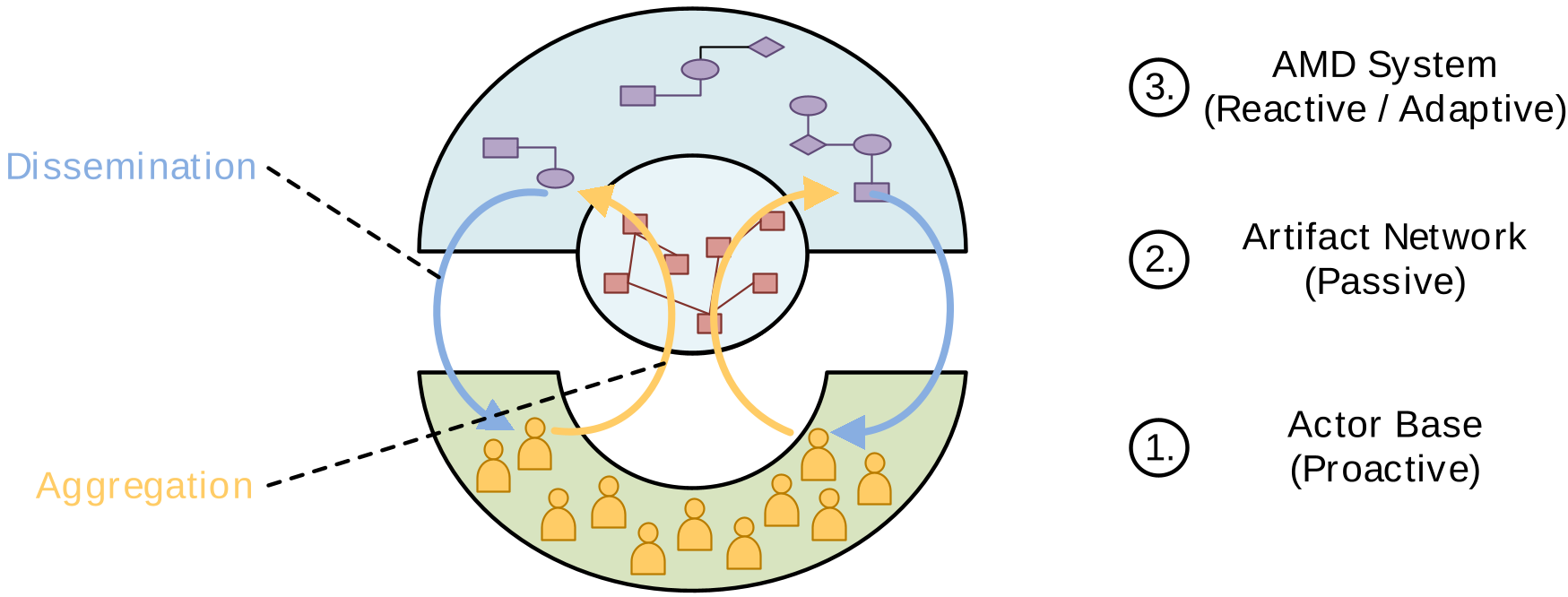 Fig 2: The high-level architecture showing the coordination infrastructure.
From Documents to Intelligence: An Example
Consider traditional document sharing (Network Drives/VCS). Users work in silos, awareness is low, and coordination requires high-effort manual communication (emails/Slack).
By applying the SIS Pattern (as seen in Wikis):
- Traceability: Every edit leaves an "Actor Record."
- Discoverability: Links create an emergent graph rather than a flat file list.
- Proactive Awareness: The AMD system triggers an email when a relevant article is updated, keeping the cognitive load low while maintaining high awareness.
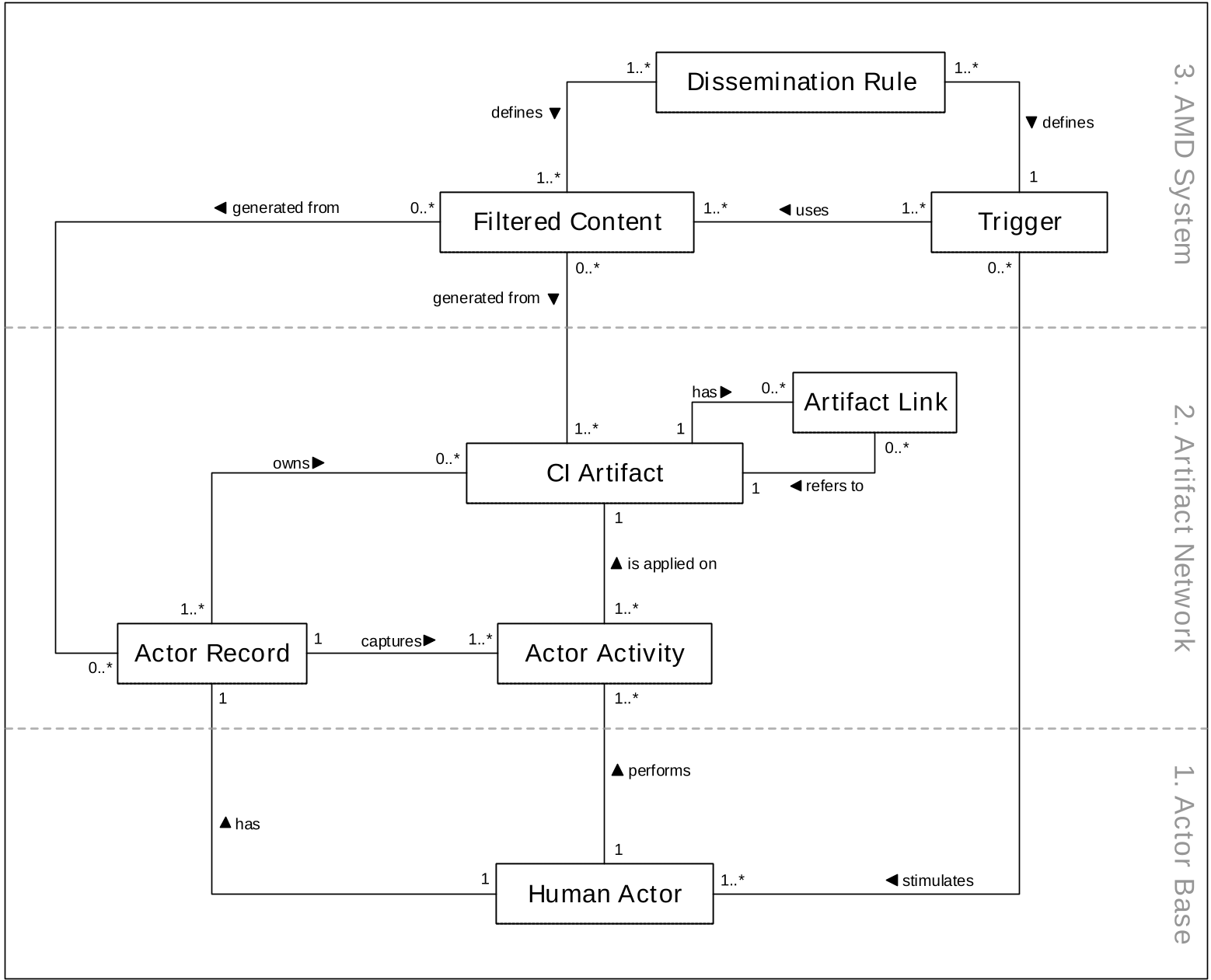 Fig 3: Detailed UML class diagram of the SIS architectural components.
Critical Insight: The Risks of SIS
The paper doesn't just praise the pattern; it highlights critical limitations:
- The Critical Mass Problem: SIS-based systems are useless without a minimum level of "Actor Activity." No traces = no coordination.
- Transparency Backlash: By bypassing formal hierarchies, SIS can face institutional resistance.
- Incentive Alignment: Designing the right "triggers" requires expertise in psychology, not just coding.
Conclusion: A Blueprint for the Future
The SIS pattern moves us away from viewing social platforms as simple UI containers. Instead, it positions them as reactive coordination infrastructures. For the modern software architect, understanding SIS is the difference between building a static repository and cultivating a living, breathing ecosystem of collective intelligence.