
Pocket Negotiator: Why Is Real-World Acceptance of Negotiation Support Systems Still Stalling?
Social acceptance of negotiation support systems: scenario-based exploration with focus groups and online survey
This study investigates the social acceptance and functional requirements of mobile Negotiation Support Systems (NSS) through a multi-step user-centered design approach. Using the "Pocket Negotiator" concept, the researchers identified that subjective norms and use-context are the primary determinants for whether a person will adopt an electronic negotiation aid.
TL;DR
Negotiation is a deeply social dance, yet most tools designed to help us win are too "robotic" for the dinner table or the boardroom. This research by Pommeranz et al. moves beyond the math of Game Theory to ask: Will people actually use these things in front of their boss? The answer depends on "Subjective Norms"—social permission—and the specific context of the negotiation.
The "Technical Trap" of Negotiation Support
For decades, researchers in Artificial Intelligence and Management Science have built Negotiation Support Systems (NSS). These tools are masters of calculation; they can find the "Pareto Frontier" and suggest win-win bids that humans might overlook. However, the adoption rate is dismal.
The authors argue that developers have fallen into a Technical Trap: focusing on economic rationality while ignoring human factors like embarrassment, social image, and the flow of conversation. To bridge this gap, they propose the Pocket Negotiator (PN)—a mobile assistant designed for every phase, from prep to the final handshake.
Methodology: A User-Centered Journey
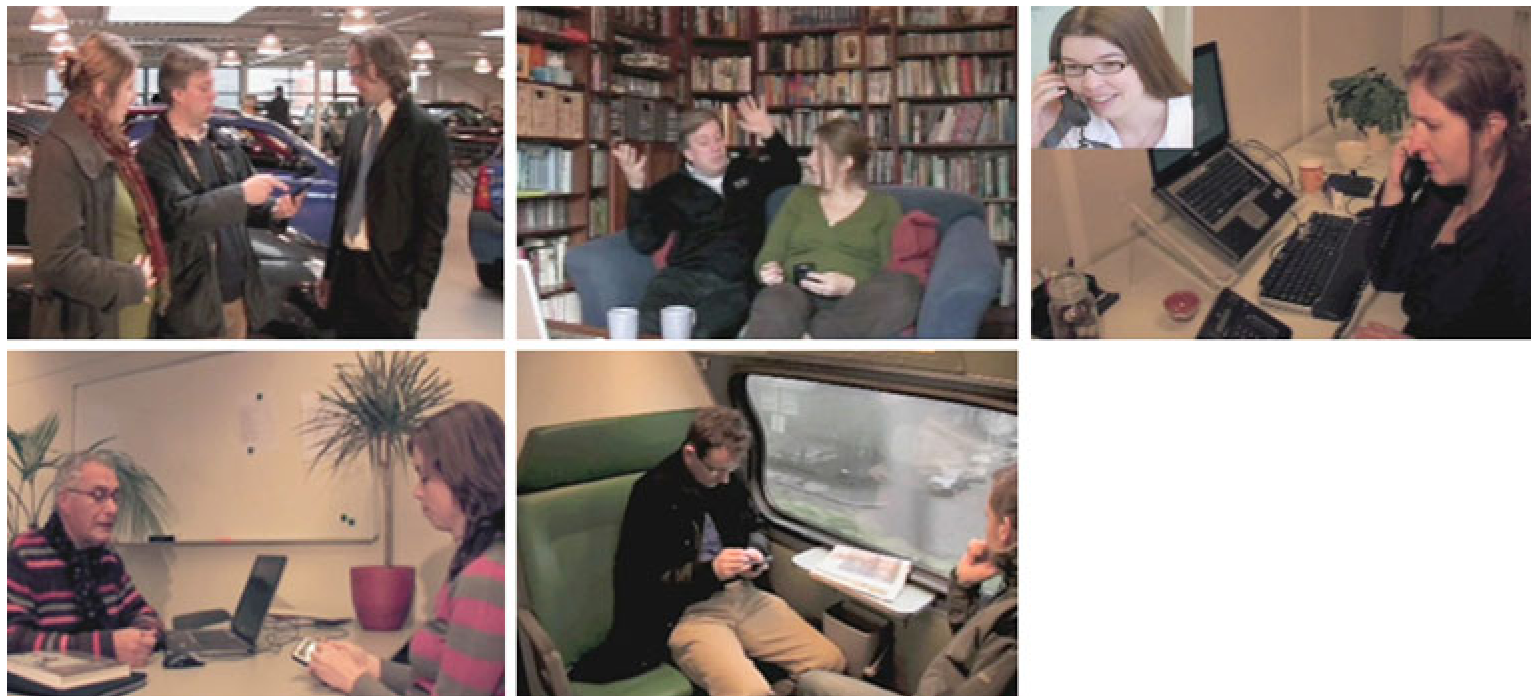
The team utilized as scenario-based approach, creating five distinct video/storyboard contexts:
- Preparation on a train (Time-constrained prep).
- Secret use vs. a Boss (Stealth mode in face-to-face).
- Collaborative prep (A couple buying a house).
- Distant negotiation (Over the phone).
- Open use at a Car Dealer (Transparent support).
Key Insights: Social Acceptability vs. Utility
The study’s findings challenge the "utility-first" mindset. Using an extended version of the Technology Acceptance Model (TAM), the authors mapped how different factors drive the Intention to Use.
1. Context is King
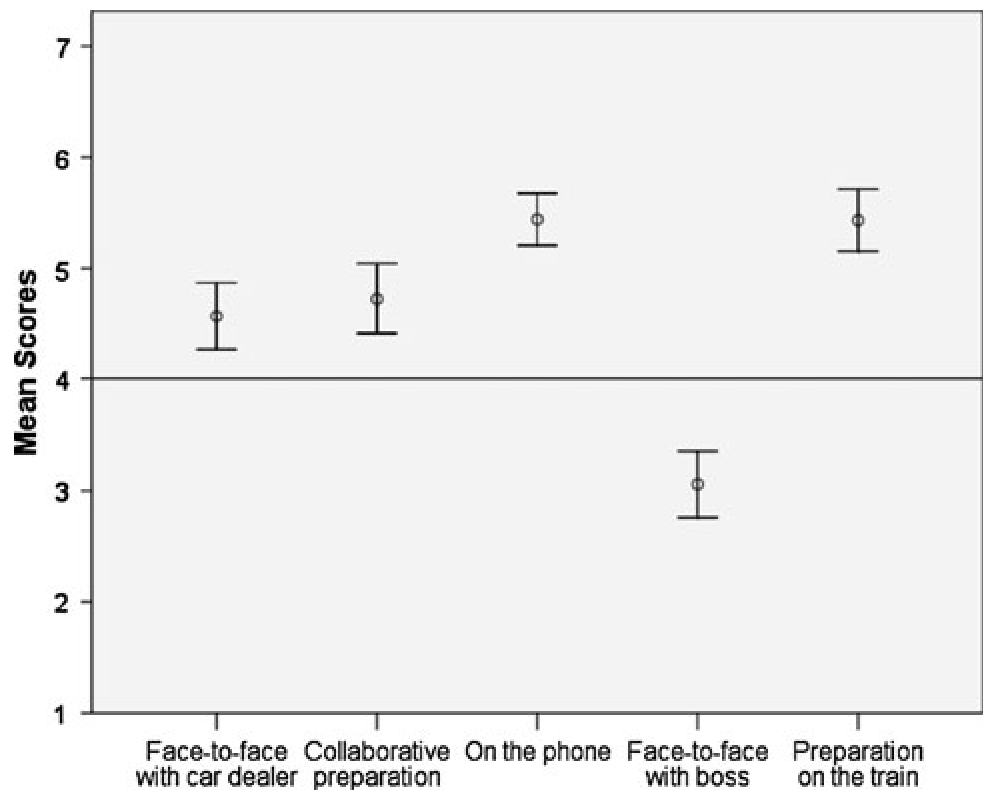
The data showed a stark divide in acceptance based on the "social distance" of the opponent.
- High Acceptance: On the phone or preparing alone on a train. Here, the device is "invisible" or non-intrusive.
- Low Acceptance: Face-to-face with a boss. Participants felt that using a device would make them look "weak," "incompetent," or "impolite."
2. The Power of Subjective Norms
The single most consistent predictor of usage wasn't how useful the tool was, but Subjective Norms. If a user's social circle or the general public deems the technology "standard," the barrier to use vanishes. As one participant noted, "If everyone had a PN, it would be fine."
3. The Need for "Stealth" and "Intelligence"
Experts emphasized that in face-to-face settings, the Cognitive Load must be minimized. A negotiator cannot stare at a complex graph while reading their opponent's micro-expressions. The PN must provide "personalized, generic advice" that serves as a subtle reminder rather than a distracting instruction manual.
Experimental Evidence: The Social Gap
The survey results quantified the "social cost" of technology in different settings. Note the dip in the "Face-to-Face" (F-2-F) category below:
Core Guidelines for Future Systems
The paper concludes with 12 foundational design guidelines. Key highlights include:
- Interactive Simulation: The NSS should act as a "sparring partner" with a virtual agent during preparation.
- Context Awareness: The device must sense (via microphones/sensors) the emotional "temperature" of the room (e.g., sensing aggression) and suggest time-outs.
- Social Computing: Storing successful negotiation strategies within a social network so users can learn from friends’ experiences.
Critical Analysis & Conclusion
This work highlights a critical pivot in HCI (Human-Computer Interaction). We are moving from tools as calculators to tools as social companions.
Limitations: The study was conducted before the current era of Generative AI. Today’s LLMs could solve many of the "guidelines" (like interactive training and real-time advice) much more fluently than the systems available in 2011. However, the social barrier identified remains: the "creepiness" or perceived "unfairness" of using an AI coach during a live conversation is still a major hurdle for SOTA negotiation tech.
For NSS to move from the lab to the "pocket," they must learn to respect the unwritten rules of human etiquette as much as they respect the rules of mathematics.