
Social Communities in Urban Mobility: Decoding Riyadh's Digital Pulse
Social Communities in Urban Mobility Systems
This paper presents a conceptual framework for analyzing the social and traffic dynamics of urban mobility in Saudi Arabia by leveraging digital footprints from social media and private transit apps. The authors characterize the unique ecosystem of Riyadh, identifying how digital presence on platforms like Twitter and private ride-hailing services (e.g., Careem, Uber) compensates for the lack of public infrastructure and socio-cultural constraints.
TL;DR
In cities where physical infrastructure lags behind technological adoption, social media becomes the "operating system" for urban mobility. This paper explores the unique landscape of Saudi Arabia—specifically Riyadh—where private taxi apps and community-led Twitter alerts fill the void left by a lack of public transit, creating a rich dataset of socio-cultural mobility patterns.
Background: An "Auto-City" in Transition
Riyadh has historically been classified as an "auto-city," a term characterizing urban sprawls where private vehicles are the primary mode of transport. However, Saudi Arabia presents a unique socio-cultural variable: a massive, tech-savvy population with a high penetration of smartphones but (at the time of the study) significant restrictions on female driving and a lack of reliable metro systems.
The authors argue that we cannot understand urban dynamics in such regions by looking at asphalt alone. We must look at the digital footprints left on social networks.
The Conceptual Framework
The researchers categorize urban mobility into a dual-layered system of online and offline communities.
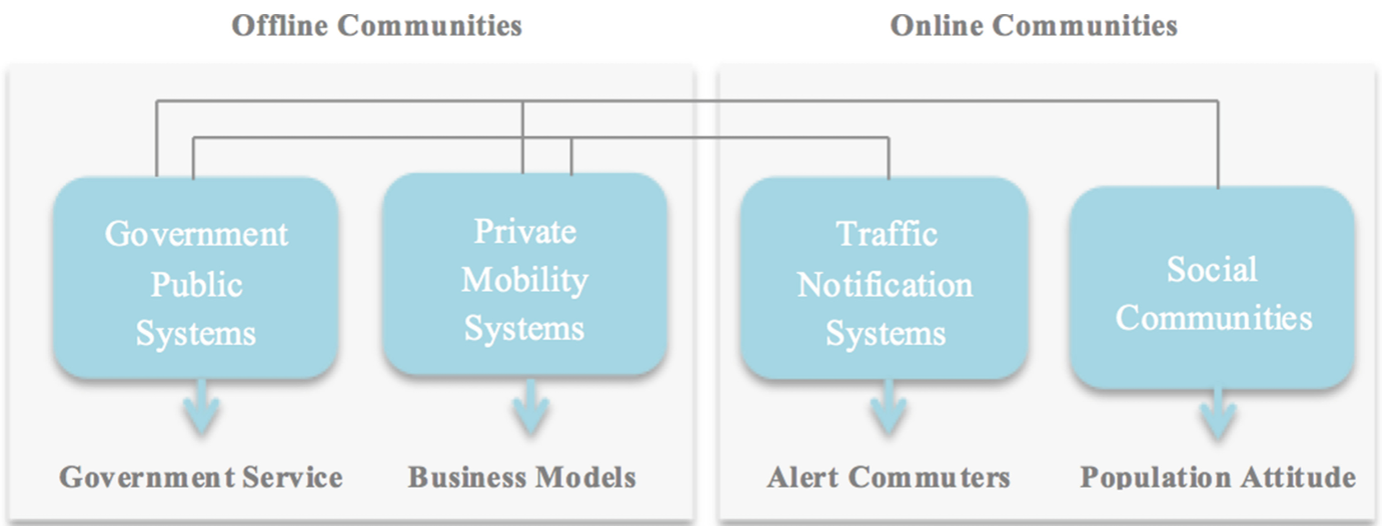
- Offline Communities: Consist of government-led public services and private mobility systems (Taxis, Private cars).
- Online Communities: Encompass traffic notification systems (apps like Zahma O La) and social networks where citizens discuss road conditions.
The intersection of these layers—analyzed through analytics and visualization—provides the "City Dynamics" necessary for modern policymaking.
Methodology: Tapping the Stream
The study utilizes a three-pronged investigative approach:
- Market Analytics: Using tools like AppAnnie to rank the popularity of transportation services.
- User Surveys: A survey of 280 participants in Riyadh to understand demographic usage patterns (notably finding that women utilize Uber and Careem at significantly higher rates than men).
- Social Network Analysis (SNA): Mapping Twitter hashtags to see how residents self-organize for traffic awareness.
Performance vs. Presence
A key finding is that successful mobility services in this region aren't just about the "ride"—they are about local integration.
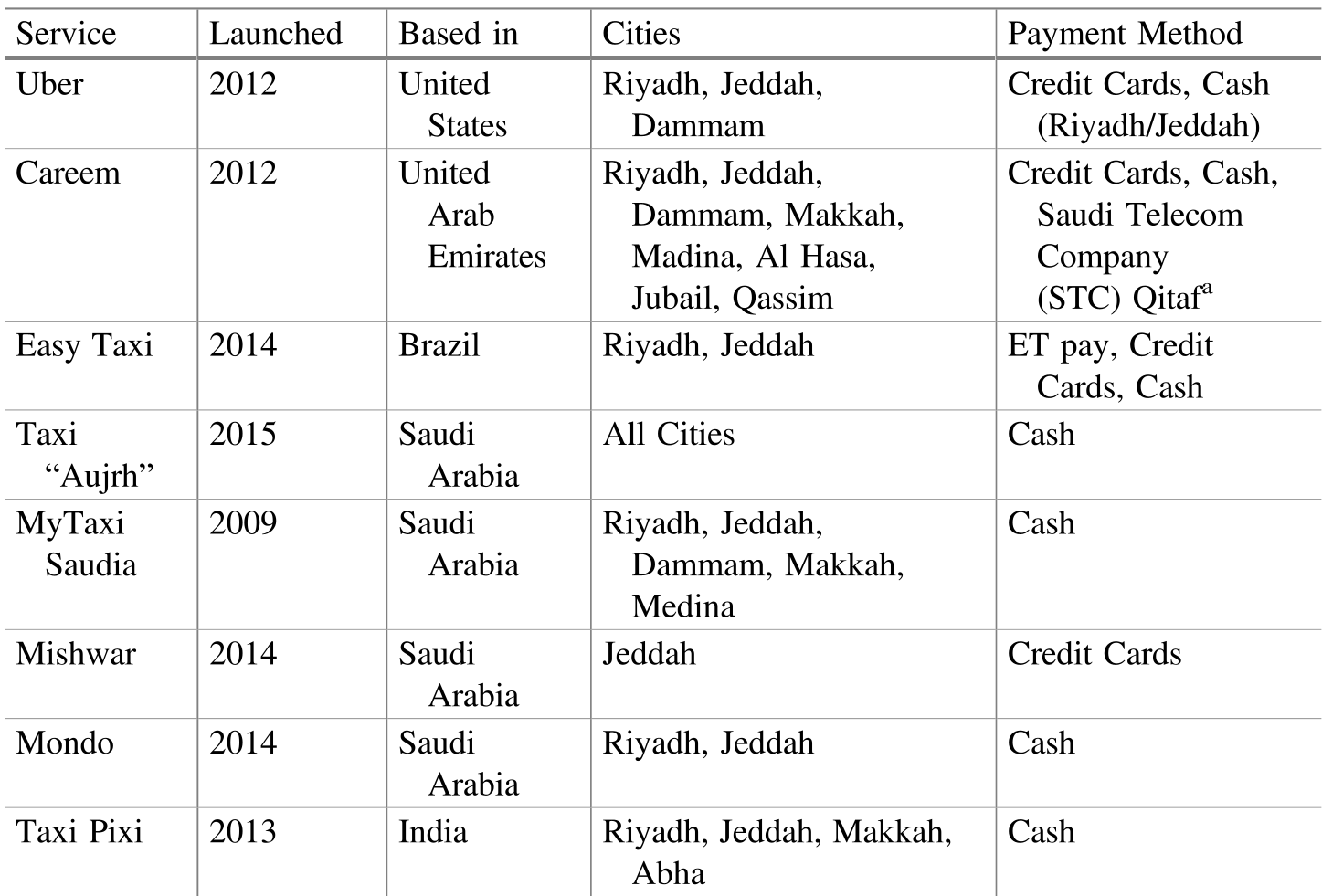
Services like Careem outperformed global giants like Uber early on by offering diverse payment methods (Cash, Credit, and even STC Qitaf loyalty points) and maintaining a more aggressive Arabic-language social media presence.
Social Conversations as Infrastructure
In the absence of a real-time government traffic portal during the study period, the residents of Riyadh created their own. The researchers analyzed hashtag networks like #Where_is_the_traffic_police (in Arabic), which evolved into a sophisticated emergency and traffic incident notification web.
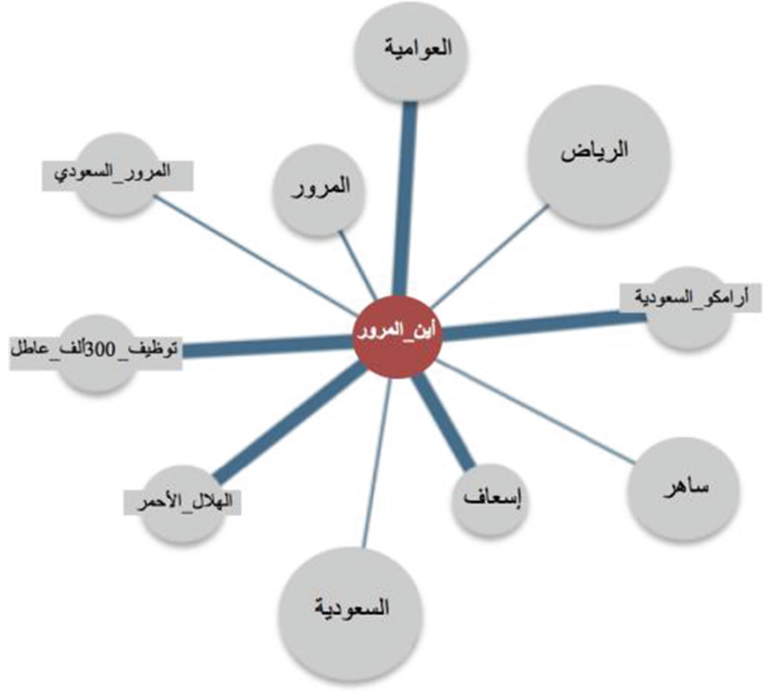
This "Citizen Science" approach demonstrates that mobility patterns are not just physical movements but social interactions. People aren't just moving; they are communicating their movement to help others navigate.
Critical Insights & Future Outlook
The paper concludes that digital engagement is a proxy for reliability. Mobility apps with strong social media interactions attract more users because they build a sense of community trust in an otherwise unpredictable traffic environment.
Strategic Takeaways:
- Socio-Cultural Factors: Design of mobility services must account for local constraints (e.g., payment preferences, gender-specific needs).
- Social Data as a Sensor: Real-time social media analysis can provide "virtual sensors" for traffic accidents and congestion more cheaply than physical hardware.
- Limitations: The study is exploratory and descriptive; future work should focus on predictive modeling using the raw GPS trajectories from these private services.
As Riyadh continues its massive transformation with the Riyadh Metro and changing social norms, this paper provides a vital baseline for how digital social communities pioneered the path for modern urban mobility in the Kingdom.