
Social Engine: Humanizing E-Commerce via Decentralized Social Networks
Social Engine Web Publish i
This paper introduces the Social Engine, a cloud-based platform that allows users ("spreaders") to create personalized Web Stores within social networks like Facebook and Orkut. Developed by Magazine Luiza, the system leverages social trust and Google App Engine's scalability to transform friends into influencers and decentralized points of sale.
TL;DR
The Social Engine is a pioneering platform that enables everyday consumers to become "spreaders" by launching personal web stores within their social networks. By integrating the massive logistics of Magazine Luiza with the social graphs of Facebook and Orkut, this system replaces impersonal corporate ads with trusted friend recommendations, resulting in higher conversion rates and exponential scalability.
Problem & Motivation: The Trust Deficit
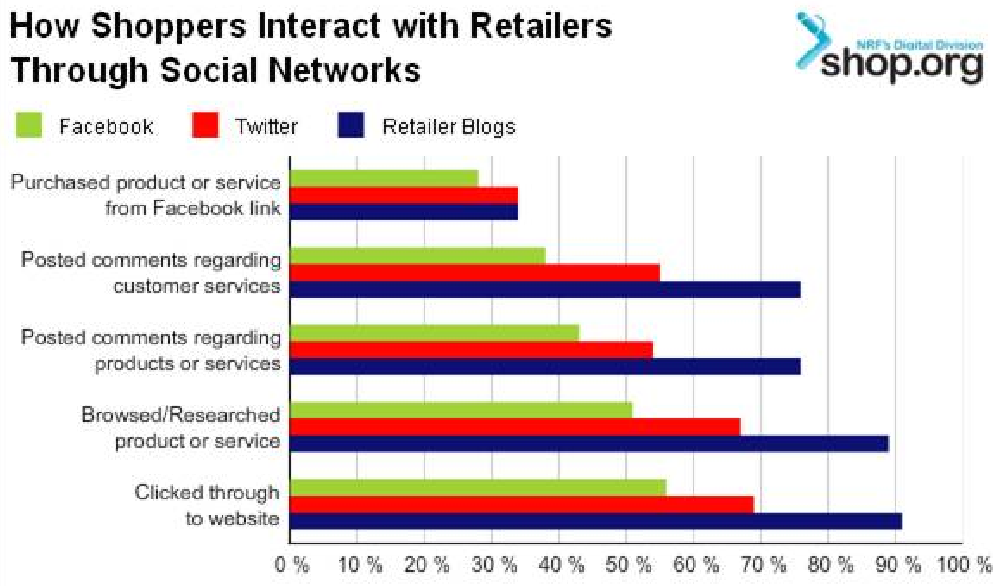
Despite the convenience of traditional E-commerce, a fundamental barrier remains: Distrust. Consumers are often skeptical of information presented by impersonal corporate entities. Statistical evidence shows that while people might ignore a banner ad, 90% of consumers trust recommendations from people they know.
The authors identified that the missing link in E-commerce was the "Social Layer." Existing systems were siloed; users browsed products alone. The goal was to bridge this gap by allowing users to curate their own stores, effectively turning friendship and social reputation into a form of "Reliability Capital."
Methodology: Scalability and Integration
The technical backbone of the Social Engine prioritizes two things: Scalability and Simplicity.
1. Cloud-Native Architecture
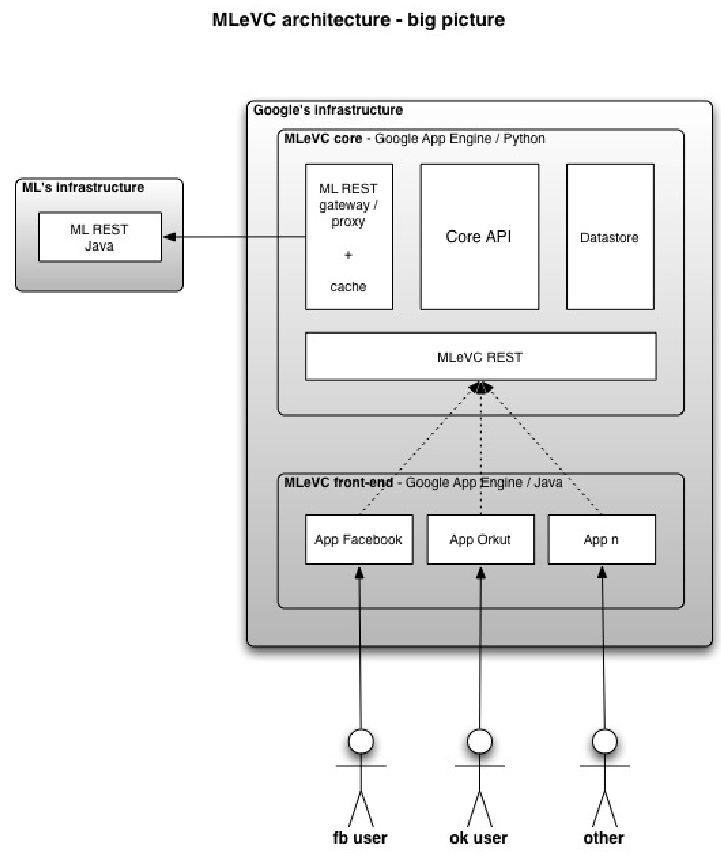
The engine was built on Google App Engine, utilizing its automatic scaling capabilities to handle the unpredictable traffic spikes typical of social networks.
- Back-end: Built with Python for rapid development.
- Data Storage: Utilizes High Replication (HR) Datastore for global availability while keeping sensitive product data in a secure, relational database for privacy.
- Authentication: Implements OAuth 1.0 (both 2-legged and 3-legged) to ensure secure data exchange between the social network and the retailer’s core engine.
2. The Spreader Workflow
The system is divided into two distinct interfaces:
- The Front-End: An app integrated into social networks where friends can browse and buy.
- The Back-End: A simplified dashboard where a non-technical user (the spreader) selects up to 60 products, writes personal reviews, and tracks commissions.
Experiments & Results: Validating the Concept
The research prioritized Usability Tests to ensure that "regular" users could actually operate a store without technical training.
- Iteration: The first round of testing revealed friction in the setup flow. By reducing the creation process from 7 steps to 4, the team vastly improved the user experience.
- Pilot Performance: In an internal pilot at Magazine Luiza, over 600 stores were launched in just 14 days. The results confirmed that social influence directly correlates to sales, with "spreaders" earning commissions on products sold and billed through their curated showcases.
Deep Insight & Conclusion
The Social Engine represents a shift from B2C (Business-to-Consumer) to a hybrid P2P (Peer-to-Peer) retail model facilitated by a corporate backbone. The brilliance of this approach is that it requires Zero Working Capital from the user; the retailer handles the inventory and logistics, while the user provides the "Trust" and "Advertising."
Limitations & Future Work
While successful, the current iteration is limited to Orkut and Facebook. The authors acknowledge the need to expand to newer platforms like Google+ (at the time of writing) and utilize behavioral targeting. By analyzing how different social nodes interact, future versions of the engine could suggest which products a spreader should list to maximize their specific network's conversion rate.
Final Takeaway: In the digital age, Trust is the ultimate currency. The Social Engine effectively monetizes this trust, creating a win-win-win for the retailer, the influencer, and the final consumer.