
Beyond Spelling: Goal-Oriented Control and Social Connectivity via P300 BCIs
Social Environments, Mixed Communication and Goal-Oriented Control Application Using a Brain-Computer Interface
This paper presents a flexible P300 Brain-Computer Interface (BCI) framework designed for social communication (Twitter, Second Life) and environmental control (Virtual Smart Home). Utilizing a modified 6x6 matrix speller approach, the system achieves a high information transfer rate (up to 84 bits/s) and demonstrates that users can transition from simple character spelling to complex icon-based goal-oriented control with minimal training.
TL;DR
Researchers have expanded the classic P300 "speller" into a multi-functional interface capable of controlling virtual smart homes, tweeting, and interacting in 3D social worlds like Second Life. By integrating icons into the standard flashing matrix, the system enables complex "goal-oriented" control with high accuracy (95%) and significantly reduced training times compared to previous generations.
Context: The Evolution of Brain-Computer Interfaces
Historically, BCIs were academic curiosities that required months of specialized training and were prone to massive error rates. The P300 paradigm—which relies on the brain's "oddball" response to an expected stimulus appearing unexpectedly—has emerged as a reliable workhorse for communication. However, this paper pushes the boundary by asking: Can we use the same brain signals to control a house or a digital avatar as we do to write a letter?
The Core Mechanism: The P300 Base System
The system relies on a 6x6 matrix (or larger) where rows and columns flash randomly. When the symbol the user is focusing on flashes, the brain generates a positive voltage spike roughly 300ms later (the P300 wave).
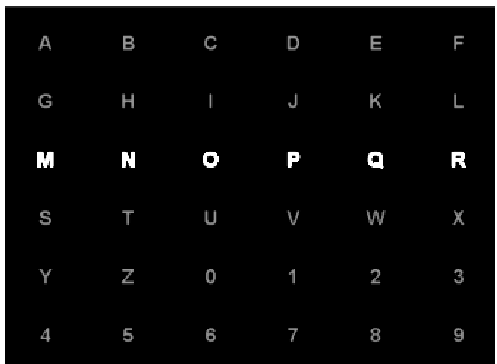 Fig 1: The signal processing pipeline from EEG acquisition (g.USBamp/g.MOBIlab+) to LDA classification.
The paper emphasizes a Stepwise Linear Discriminant Analysis (SWLDA) approach. A critical technical insight here is that the LDA doesn't need to be trained on every single icon. By training on a subset of characters, the weight vectors (WVs) can be generalized to recognize the P300 response for any visual stimulus in the grid, whether it's the letter "A" or an icon for "Open Front Door."
Case Study 1: The Virtual Smart Home
In this scenario, subjects navigated a 3D environment using icons. While accuracy remained high (95%) for simple tasks, the study revealed a fascinating limitation: Interface Design matters as much as the Algorithm.
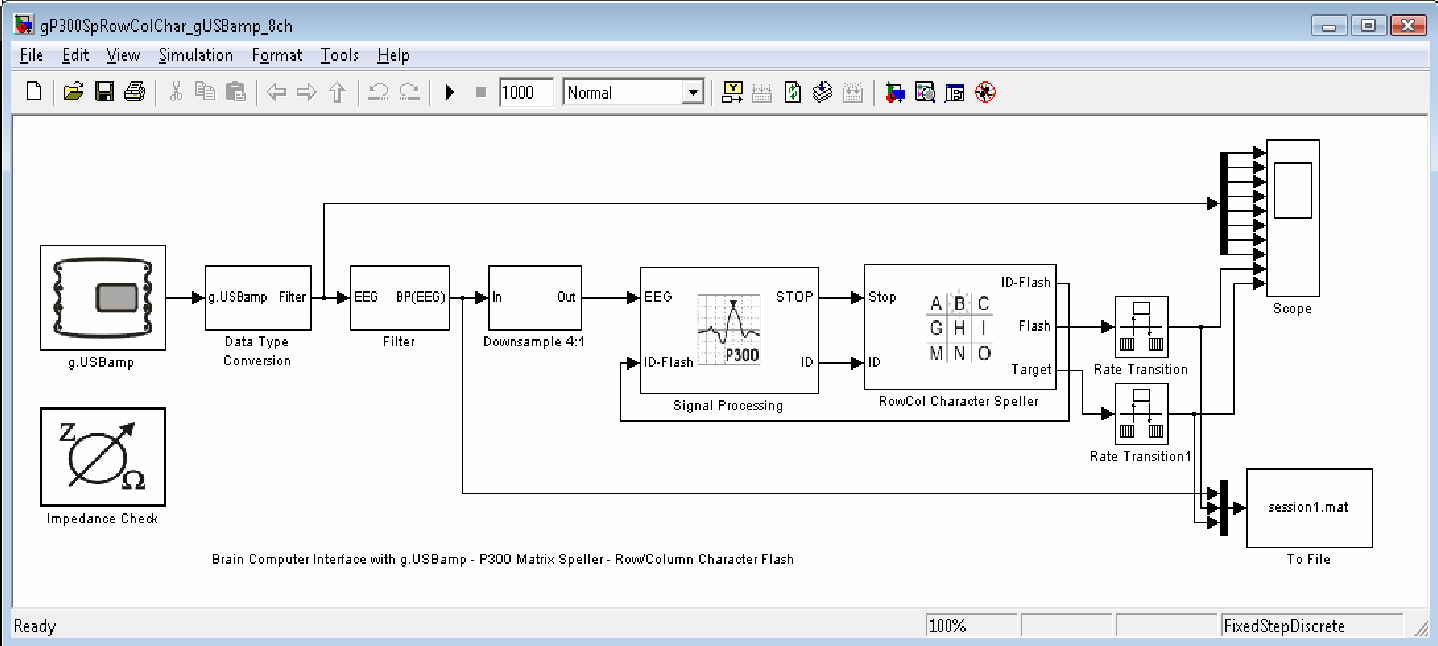 Fig 2: The Smart Home control mask. Users can manipulate lights, doors, and TV sets through direct selection.
Results showed that in the "Goto" mask—used for moving the avatar—accuracy plunged. This wasn't a failure of the BCI, but rather a "distraction" factor caused by the visual layout and contrast of that specific mask, proving that BCI usability is a multi-disciplinary challenge involving UI/UX design.
Case Study 2: Social Media and Second Life
Perhaps the most "modern" application involves Twitter and Second Life. The authors demonstrated that as a user becomes accustomed to the system, they can reduce the number of "flashes" needed per character.
| Session Progress | Time per Character | Error Rate |
|---|---|---|
| First Session | 51 seconds | High (3 errors) |
| Final Session | 15 seconds | Low (1 error) |
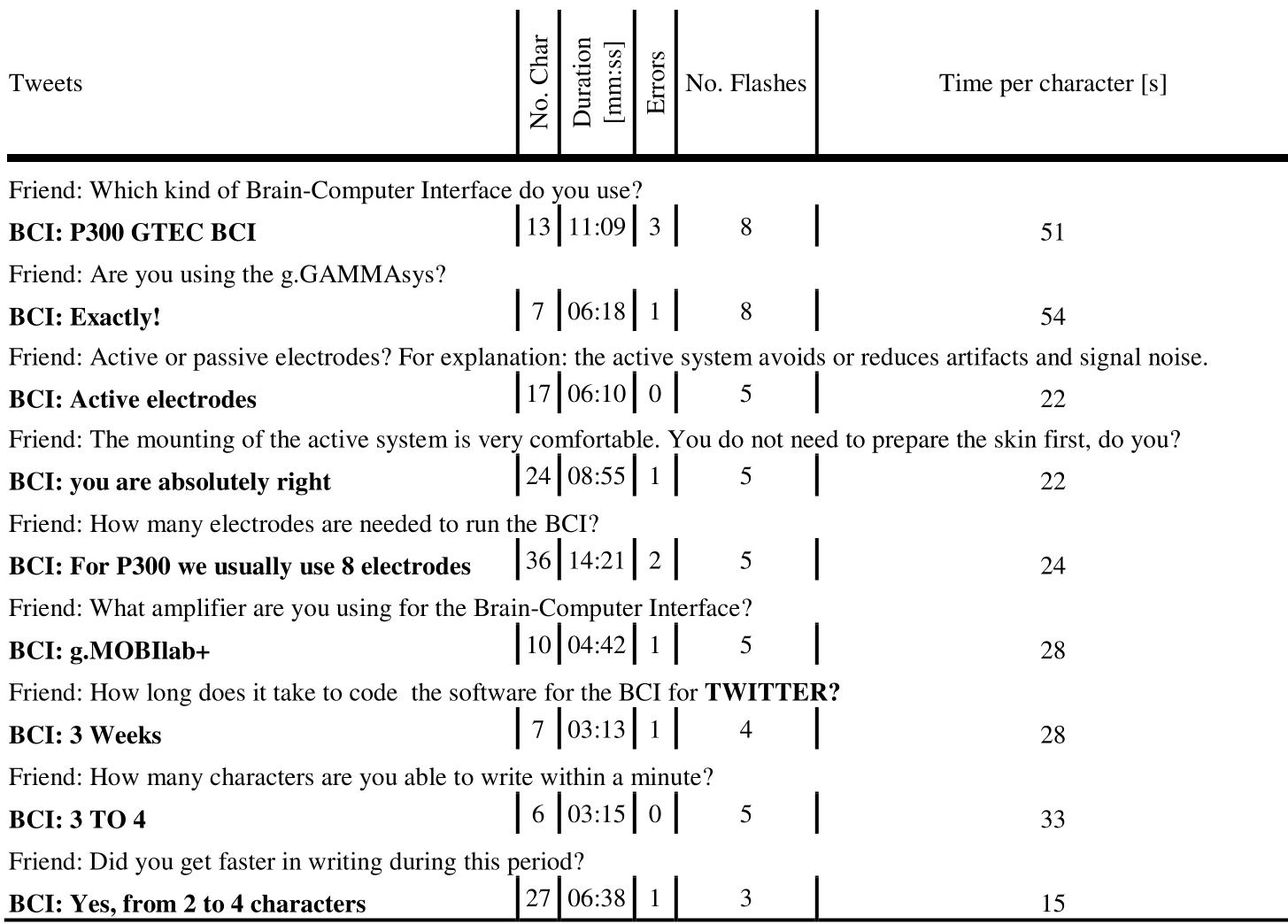 Table 1: Detailed breakdown of the Twitter session, showing a 3x increase in speed over time.
By the end of the study, the user was selecting characters in just 15 seconds, reaching a speed of 4 characters per minute—a significant milestone for non-invasive BCI technology.
Critical Analysis: Tackling BCI Illiteracy
One of the paper’s most honest conclusions involves "BCI Illiteracy." Roughly 20-25% of people cannot effectively use a P300 BCI. The authors suggest that instead of forcing a one-size-fits-all model, future work should focus on:
- Hybrid BCIs: Combining P300 with other signals (like Motor Imagery/ERD).
- Subject-specific UI: Tuning colors and flashing frequencies to the individual’s physiological preferences.
Conclusion
This work marks a shift from BCIs as "spelling tools" to BCIs as "operating systems." By proving that icons can be swapped into the interface without retraining the classifier, the authors have paved the way for highly adaptive assistive technologies that can help disabled users regain autonomy in both the physical and digital worlds.