
The Digital Double-Headed Sword: How Social Media is Reshaping Students in Fiji
What’s your status? Investigating the effects of social media on the students of Fiji National University
This research investigates the socio-educational impact of social media on students at Fiji National University (FNU). Using a mixed-method approach of questionnaires and personal communication, the study identifies Facebook and Instagram as dominant platforms and explores the dualistic nature of digital engagement in a developing nation context.
TL;DR
A comprehensive study at Fiji National University (FNU) reveals that while social media has become an inseparable part of student life—with Facebook dominating at an 89.6% adoption rate—it serves as a "double-headed sword." It boosts communication confidence but simultaneously degrades linguistic standards (grammar) and physical health, with a staggering 84% of students failing to utilize these platforms for actual academic gain.
Background & Motivation: A Developing Nation's Digital Surge
In the past decade, Fiji has seen a massive 20% escalation in internet users, largely driven by the "efficacious invasion" of Social Networking Sites (SNS). For students at FNU, the digital world isn't just a tool; it's a lifestyle. The researchers were motivated by a crucial question: In a country where the government is pushing for "1:1 tablet-to-student" ratios, are these devices fostering education or merely facilitating a culture of distraction?
Methodology: Listening to the Future Educators
The researchers focused on 125 final-year Bachelor of Education students. This cohort is significant because they are the future of Fiji's teaching force. The study combined:
- Personal Communication: To capture the nuanced "vibe" of digital life.
- Quantitative Surveys: To measure time, platform preference, and specific impacts.
Core Findings: The Dominance of "The Big F"
The data confirms that platform popularity in Fiji is highly skewed.
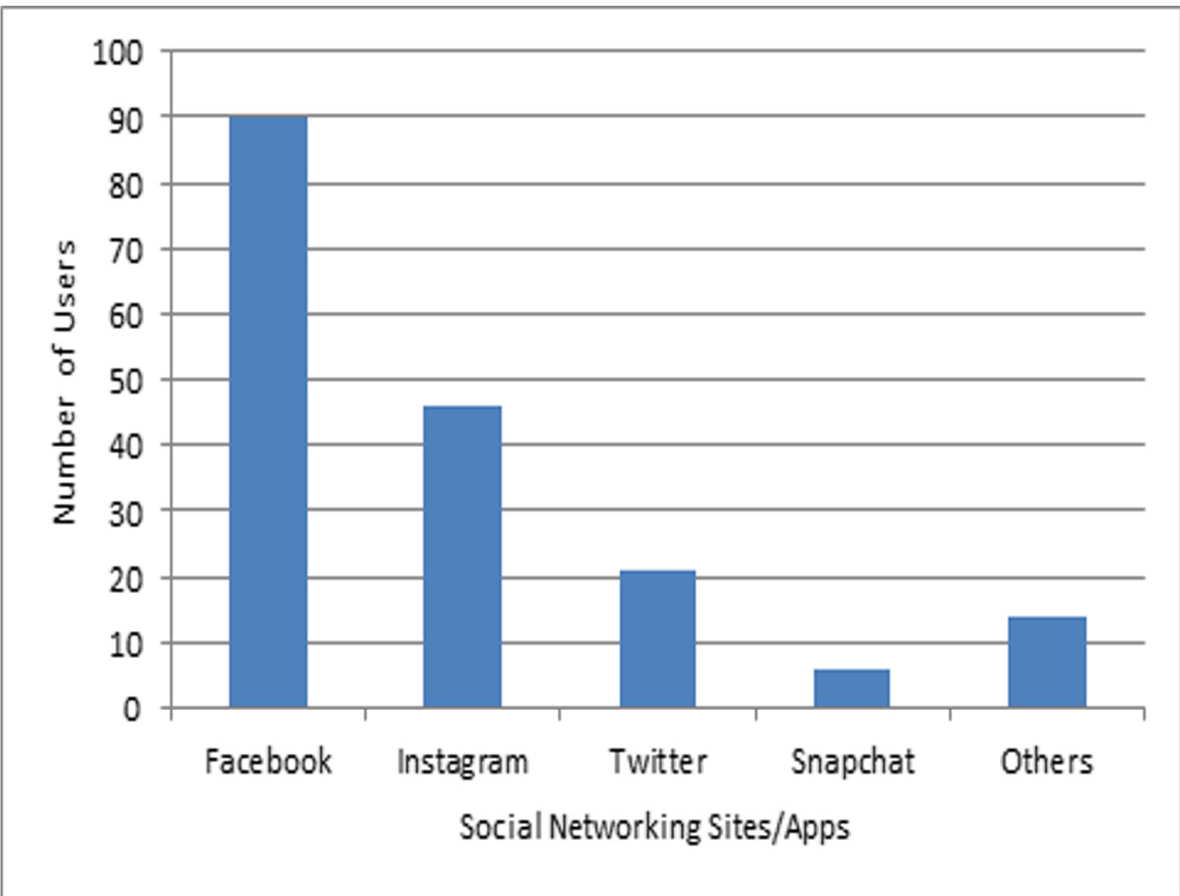 Fig 1: Distribution of SNS platforms among FNU students, showcasing Facebook's hegemony.
The Interaction Paradox
- The Positive: Students feel more connected. 115 out of 125 participants noted that SNS helped them build wider connections, and many reported increased confidence and improved communication skills.
- The Negative: Health and Language. 79 participants reported a deterioration of English grammar, favoring "SNS slang" over academic standards. Furthermore, health issues like eye pain, back pain, and a sense of isolation were prevalent among heavy users.
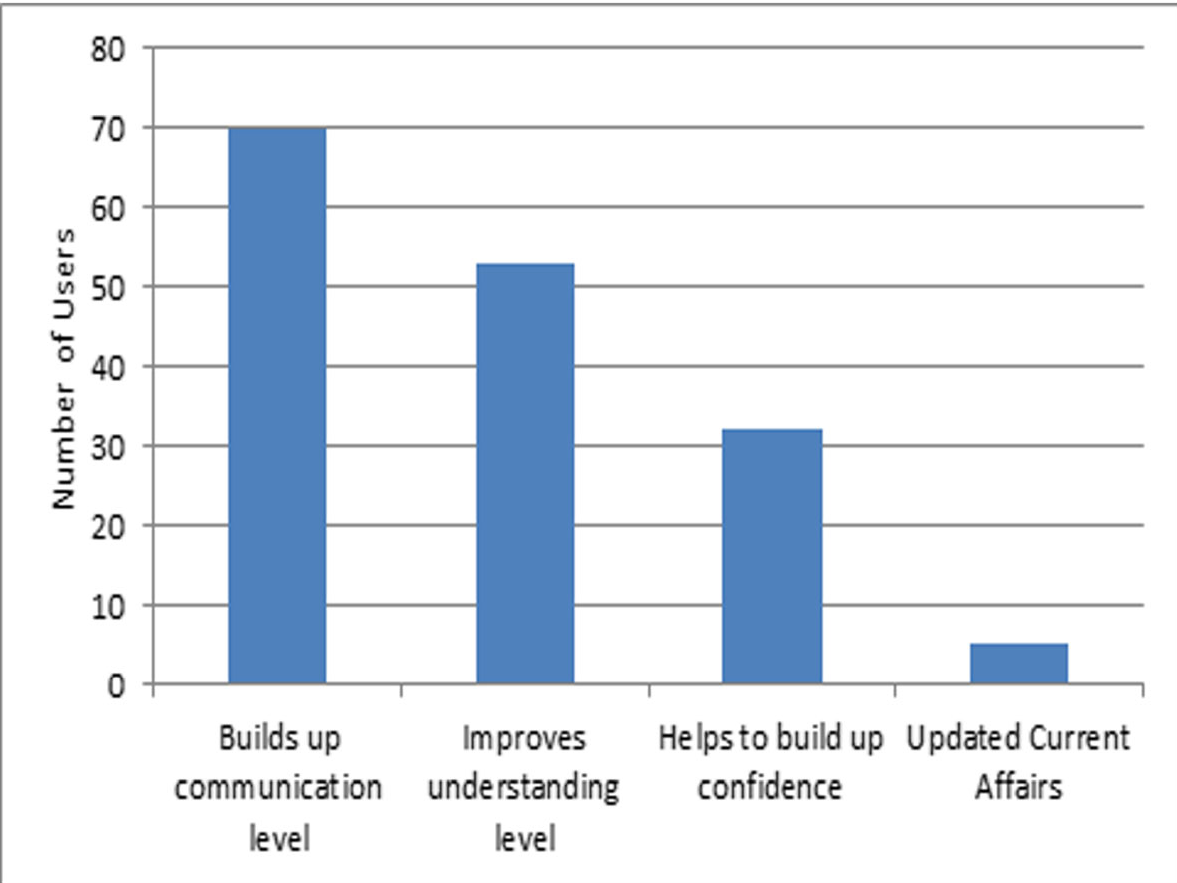 Fig 2: A breakdown of perceived positive effects, led by communication skills and confidence.
Detailed Analysis: The Academic Gap
Perhaps the most alarming find is the lack of academic intent. Even though the Education Ministry provides tablets, 105 out of 125 students confessed that social media has no academic use for them; it is purely an "entertainment hub." This reveals a massive failure in digital literacy—students have the tools, but they lack the methodology to use them for learning.
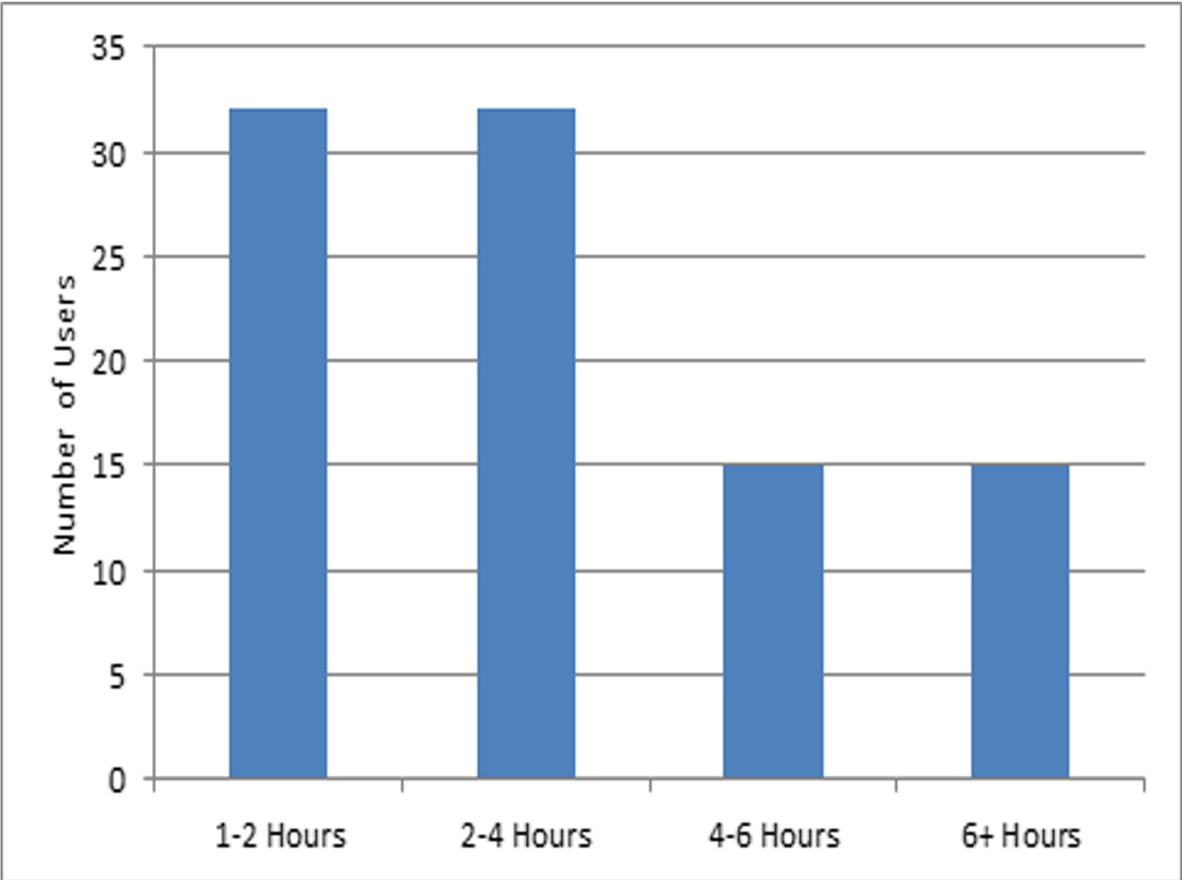 Fig 3: Time spent daily on SNS, showing that over a quarter of students spend 6+ hours online.
Critical Insight & Recommendation
The researchers argue that the "addiction" isn't the problem—the lack of direction is. They propose a multi-pronged intervention:
- Academic Reframing: Institutions must introduce students to MOOCs, academic groups, and DIY research via the same platforms they already use for entertainment.
- Time-Bound Usage: Encouraging physical sports and real-world interactions to combat the 35% isolation rate.
- Linguistic Awareness: Addressing the "slang versus grammar" conflict directly in the curriculum.
Conclusion
The study concludes that Fiji's students are caught in a digital transition. While they have gained global connectivity and social confidence, they are losing ground in traditional academic rigor and physical well-being. The future of Fijian education depends not on providing more technology, but on teaching students how to bridge the gap between "scrolling" and "studying."