
Social Media in B2B Sales: More Than Just a Digital Handshake
Studying the Influence of Social Media Use on Sales Performance: The Role of Relational Mediators
This paper explores how social media use impacts sales performance in B2B settings using a relationship marketing framework. Through structural equation modeling (SEM) of 199 French salespeople, it validates that social media facilitates sales success both directly and indirectly via adaptive selling behaviors.
Executive Summary
TL;DR: Does social media actually help B2B salespeople close deals? This study reveals that social media isn't a magic wand for building "friendships"—instead, it serves as a sophisticated information engine. By providing deep insights into customer needs, social media allows salespeople to practice Adaptive Selling Behavior, which in turn enhances relationship quality and drives sales performance.
Academic Context: Positioned at the intersection of Relationship Marketing and Digital Transformation, this work provides empirical validation for the "Informational-Relational" bridge in B2B social selling.
The "Relationship" Problem in the Digital Era
In B2B settings, the shift from face-to-face to digital interactions often meets resistance. Skeptics argue that digital tools are cold and transactional, unable to foster the trust required for high-stakes business solutions. The core tension lies in a simple question: Does social media usage replace personal connection, or does it empower it? The authors identify that existing literature has failed to map the specific relational mediators—how we get from a "LinkedIn post" to a "closed contract."
Methodology: Mapping the Relational Path
The authors constructed a structural model to test the "Why" and "How." They hypothesized that social media provides the raw material (information) that allows a salesperson to pivot (adapt) their approach, which then creates value (quality relationship).
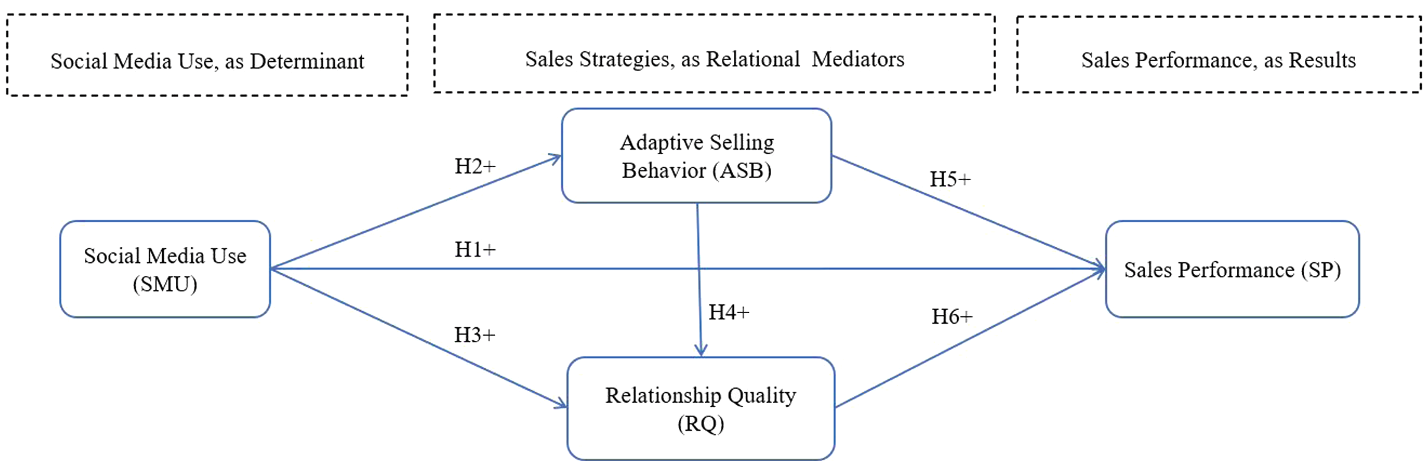 Figure 1: The proposed structural model showing the paths from Social Media Use to Sales Performance.
Key Constructs:
- Social Media Use (SMU): Networking, search, and analytics.
- Adaptive Selling Behavior (ASB): The ability to modify sales tactics during or between interactions.
- Relationship Quality (RQ): A composite of Trust, Satisfaction, and Commitment.
Results: The Informational Paradox
The study utilized a sample of 199 French B2B professionals and applied Structural Equation Modeling (SEM). The results yielded a surprising insight:
- Direct Impact: Social media use has a strong direct effect on performance () and adaptive behavior ().
- The Missing Link: Interestingly, social media use did not directly improve relationship quality ().
- The Indirect Mastery: However, it significantly influenced relationship quality through adaptive selling.
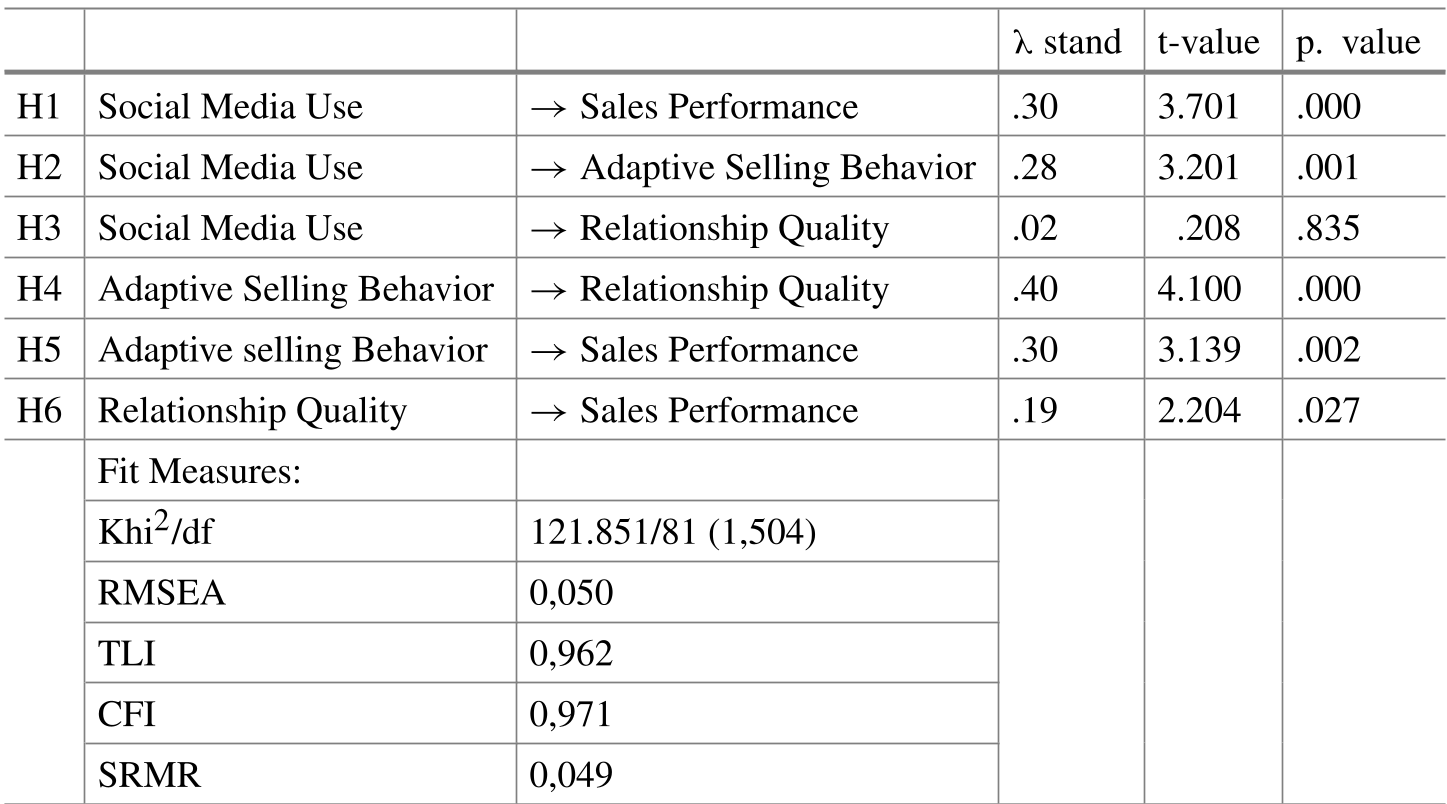 Table 4 & 5: Statistical evidence confirming the mediation effects.
Critical Insights: Why It Matters
The most profound takeaway is that social media is an information tool, not a social substitute. Digital interactions alone do not build trust. Instead, a salesperson uses social media to "do their homework"—understanding a prospect’s specific pain points and industry shifts. This knowledge enables the salesperson to be "Adaptive." When a customer feels the salesperson truly understands their unique situation (thanks to digital research), trust and commitment follow.
Limitations & The "Dark Side"
The study acknowledges that the data is self-reported, which may introduce bias. Furthermore, the authors warn of "Social Media Fatigue." Being "always-on" can lead to cognitive overload and burnout, suggesting that the quantity of social media use may eventually hit a point of diminishing returns.
Conclusion
For B2B leaders, the message is clear: Investing in social media without training salespeople on how to adapt their pitch based on that data is a wasted investment. The value of social selling lies not in the "like" or the "connected" status, but in the intelligence gathered that allows for a more personalized, human-centric sales approach.