
Gamifying Altruism: Designing Mobile Experiences to Keep Young Blood Donors Coming Back
Social and mobile interaction design to increase the loyalty rates of young blood donors
This paper explores interaction design strategies using mobile applications and social media to increase loyalty rates among young blood donors (ages 16-25). It proposes a multi-faceted design framework involving personal services, social media engagement, and data visualization to transition infrequent donors into regular contributors.
TL;DR
While young adults (16-25) are eager to donate blood for the first time, they rarely return, creating a sustainability crisis for blood services. This research moves beyond generic "reminders" to propose a sophisticated mobile ecosystem. By categorizing donors into archetypes like "Technologists" and "Escapists," the study demonstrates how tailored UI/UX—ranging from social media "badges" to detailed biological data visualizations—can turn a one-off charitable act into a lifelong identity.
Problem & Motivation: The "One-and-Done" Dilemma
In Australia, 1 in 3 people will need blood, yet only 1 in 30 donates. The most alarming metric for the Red Cross is the "loyalty gap": young donors make up 29% of first-timers, but nearly 40% never return for a second visit.
Prior recruitment efforts often treated donors as a homogenous group, relying on altruistic messaging that fails to stick. The authors argue that the cost of recruiting a new donor (>$1,000) makes retention the most critical frontier. The insight here is simple yet profound: Interaction design must bridge the gap between a medical procedure and a young person's digital social identity.
Methodology: Archetypes of Giving
The researchers conducted qualitative interviews and participatory design workshops to move past "service-oriented" features (like booking) toward "persuasive" features. They identified that different donors seek different psychological rewards:
1. User Archetypes
- Technologists: Fascinated by the "machinery" and systems. They want to know the logistics of how blood travels.
- Biologists: Interested in the "life-giving" properties and the iconography of blood (e.g., tracking liters donated).
- Escapists: Need distractions. They value the medical safety but want a digital "exit" via social media or entertainment during the needle phase.
2. Behavioral Styles
- The Silent Type: View donation as a private act; they find bragging on Facebook "cringe."
- Spontaneous: Hate planning. They need "Donate Now" buttons and proximity alerts for mobile vans.
- Sharers: Heavy social media users who want to "gamify" their contribution and see where they rank among friends.
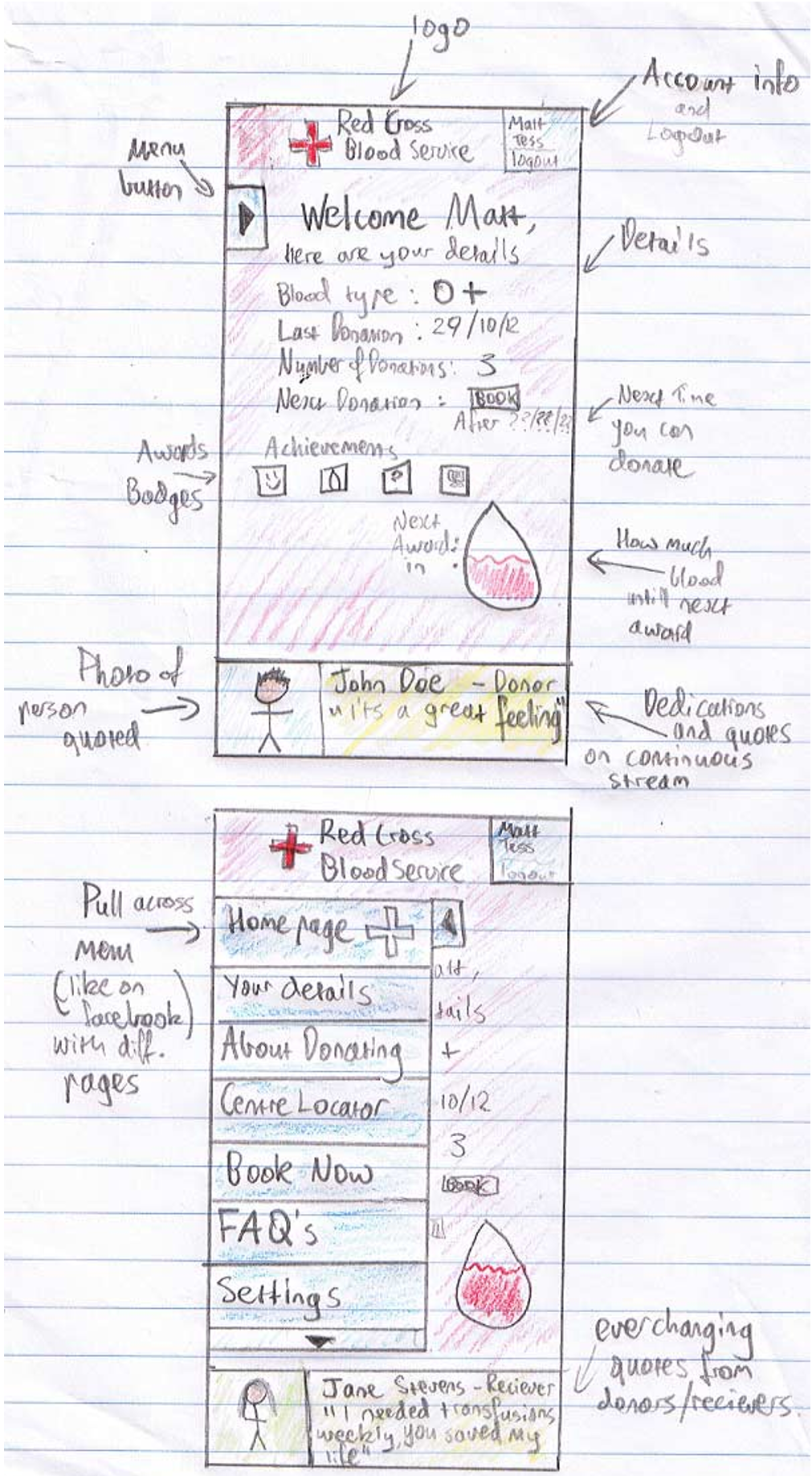 Figure 1: Early interface sketches highlighting the "Biologist" need for visual feedback (e.g., blood drops filling up).
Design Implications: From Utility to Identity
The study translated these needs into a functional prototype. The core engine is a Digital Membership Card integrated into the mobile wallet (Passbook), which serves as a foundation for several high-impact features:
- Context-Aware Reminders: Instead of annoying push notifications, the app uses GPS to show nearby donation centers only when the user is eligible and physically close.
- Impact Visualization: For the "Biologists," the app shows exactly how many lives were saved (e.g., "Your donation helped 1 motorcyclist and 2 pregnant women").
- Shared Displays: In the clinic, shared screens show real-time "blood stock levels" or abstract visualizations of the donation journey to engage "Technologists" and distract "Escapists."
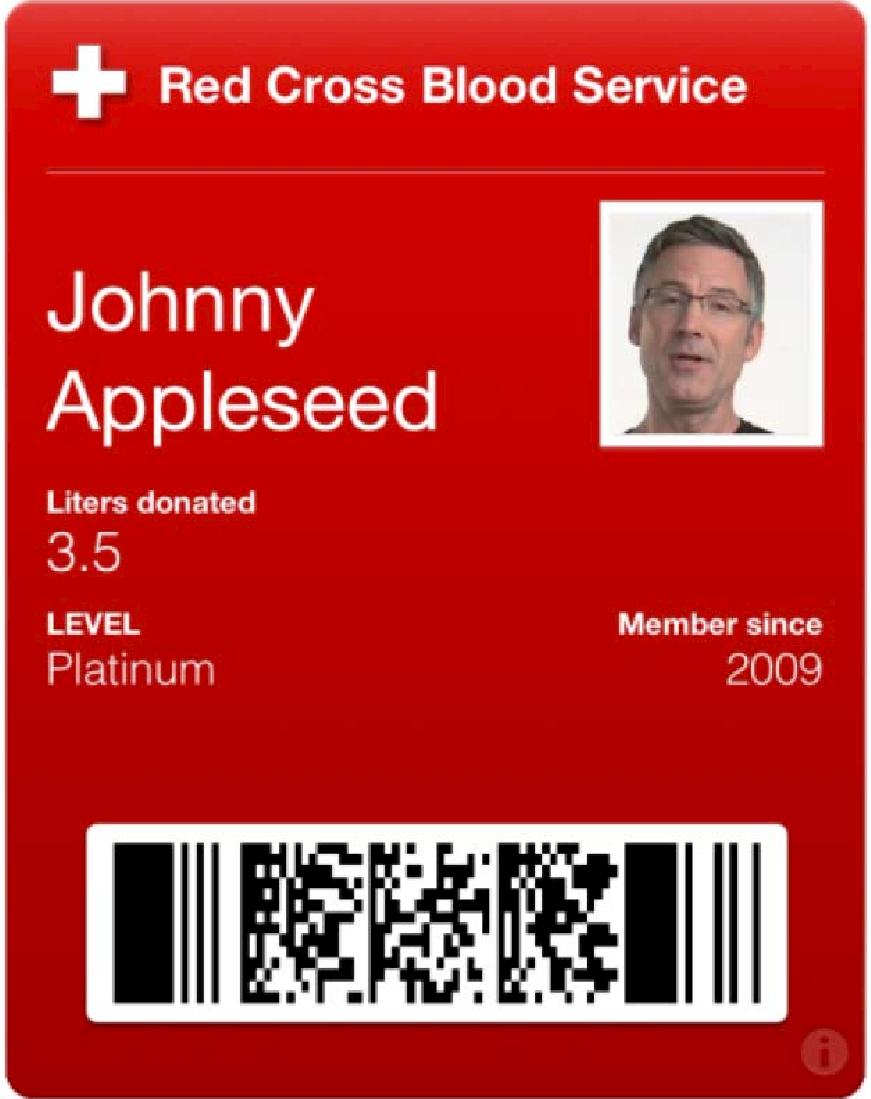 Figure 2: The digitized donor card—a central "badge of honor" that facilitates both quick check-ins and social sharing.
Critical Analysis & Conclusion
The brilliance of this work lies in its rejection of the "clinical" approach. By treating blood donation as a socially mediated experience rather than a medical chore, the designers tap into the "Generation Y" desire for identity signaling.
Key Takeaways:
- Identity over Altruism: Young people return when they feel like "a blood donor" (identity), not just because they want to help (altruism).
- Privacy as a Feature: The "Silent Type" needs opt-in sharing. Forcing social media integration can actually alienate the most dedicated donors.
- Visualizing the Invisible: Making the "journey of the blood" visible satisfies the curiosity of technologists and reinforces the impact of the gift.
Limitations: While the qualitative insights are deep, the prototype's effect on actual long-term retention rates requires a longitudinal study with a larger cohort to confirm if "digital badges" translate into "physical needles."
Future Outlook: As we move toward smart cities, integrating blood donation data into wearable health ecosystems could further lower the friction for "Spontaneous" donors, making life-saving a seamless part of daily urban life.
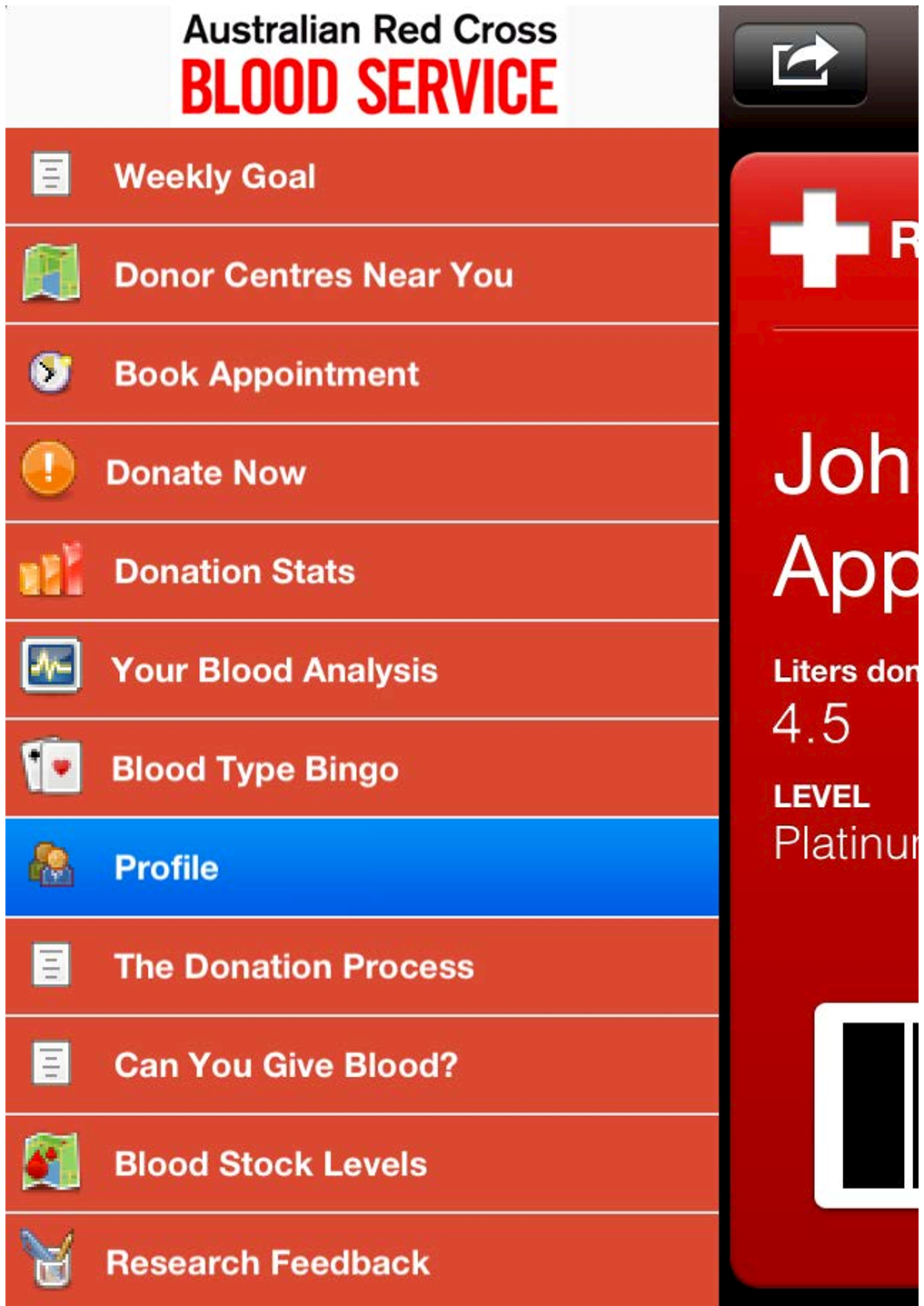 Figure 3: Overview of the prototype features, including "Blood Type Bingo" and local stock visualizers.