
Mailbook: Overcoming Spam through the Power of Social Collaboration
A social network against spamming
Mailbook is a collaborative anti-spam system that leverages social networking dynamics to share "vote databases" containing MD5 hashes of spam emails. By integrating user profiles and interest groups, it provides a personalized and rapid-response filtering mechanism that moves beyond static blacklists.
TL;DR
Mailbook re-imagines anti-spam technology not as a centralized gatekeeper, but as a decentralized social network. By allowing users to share "fingerprints" (MD5 hashes) of spam emails with trusted friends and interest groups, the system creates a resilient, real-time defense mechanism that significantly reduces false positives through personalized context.
Problem & Motivation: The Failure of Static Defense
Current email systems are under siege, with spam accounting for over 90% of global traffic. Existing defenses—ranging from White Lists and Black Lists to Bayesian filtering—face a fundamental trade-off:
- False Positives: Overly aggressive filters block legitimate mail.
- Adaptation Lag: Spammers evolve faster than central authorities can update blacklists.
- Lack of Context: A marketing email about medical supplies might be spam to a software engineer but critical for a pharmacist.
The authors argue that the "human-in-the-loop" approach, empowered by a social graph, is the only way to capture the nuanced definitions of "unsolicited" mail across different user demographics.
Methodology: The Social Logic of Filtering
The core of Mailbook is the Vote Database. When a user identifies an email as spam, a unique MD5 hash (fingerprint) is generated and stored.
1. Architecture Overview
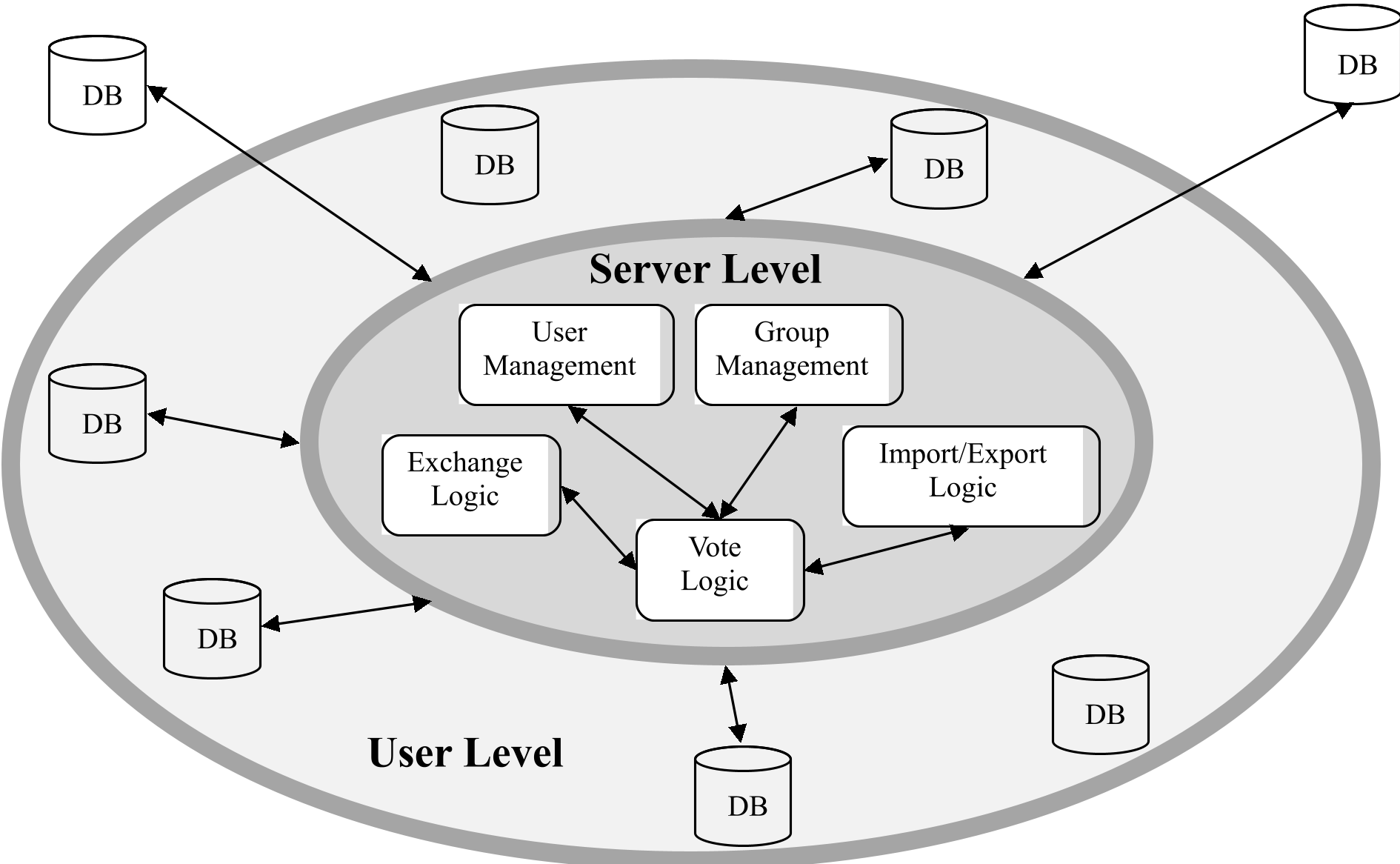
The system is built on a LAMP stack (Linux, Apache, MySQL, PHP) and features a centralized server that manages the logic for:
- User/Group Management: Handling registrations and interest-based clusters.
- Vote Logic: Calculating the weight of a spam report based on the reporter's reputation and relationship to the recipient.
- Import/Export Logic: Allowing users to sync their social spam data with external POP clients.
2. Trusted Exchange
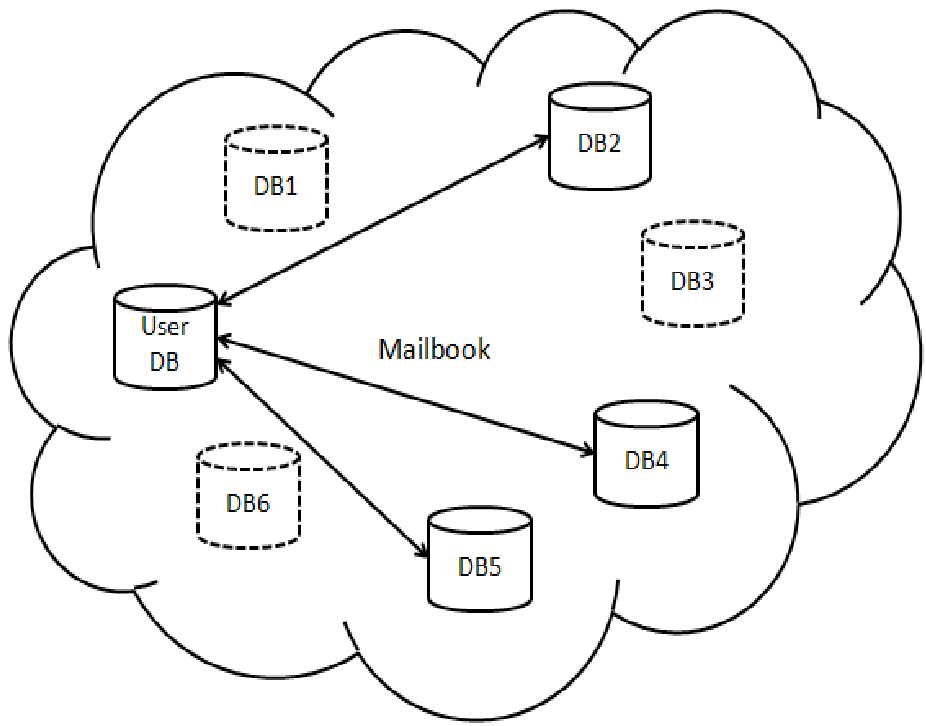
Unlike public blacklists, Mailbook prioritizes votes from "Friends." If multiple people in your social circle flag a specific hash, the system gains high confidence that the email is unsolicited for you.
3. Contextual Refinement
To prevent false positives, Mailbook uses Profile Similarity. If you belong to a "Chess Club" group, the system monitors if other members are flagging specific content. However, if your profile indicates a specific professional interest in the subject of a flagged email, the system avoids automatic blocking, providing a layer of "Inductive Bias" favoring the user's known habits.
Experiments & Results
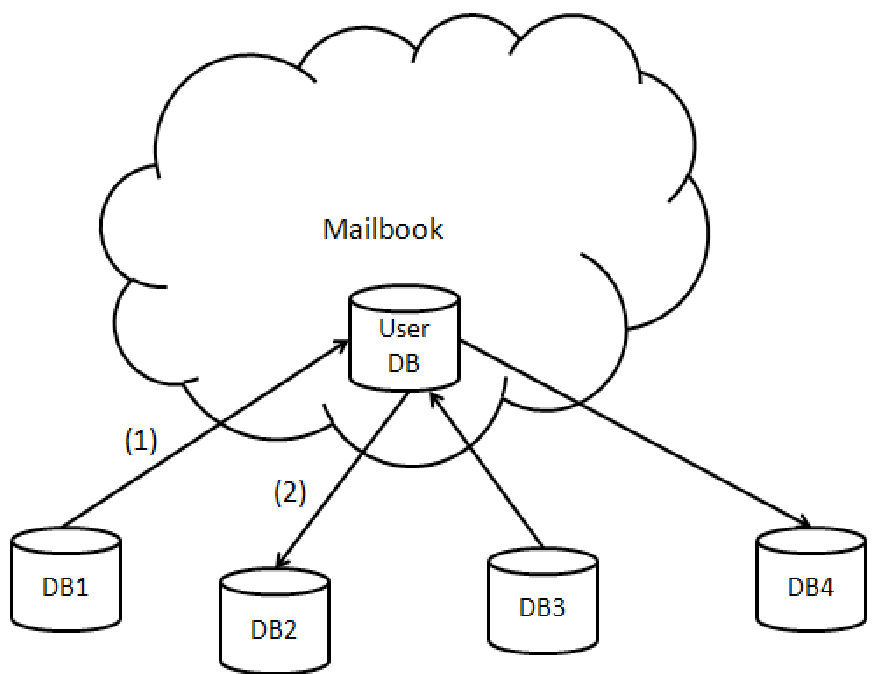
The paper outlines the functional implementation of the Mailbook service. Key interactions like Vote(email), Join(group), and Associate(user) form the backbone of the dataset.
- Adaptive Speed: Because social networks spread information rapidly, a spam campaign can be neutralized within a specific community as soon as the first few "expert" users flag it.
- Interoperability: The inclusion of Import/Export features ensures that Mailbook acts as a "Social API" for traditional email clients, bridging the gap between social intelligence and legacy infrastructure.
Critical Analysis & Conclusion
Takeaway: Mailbook identifies that spam is not just a technical problem, but a social and contextual one. By shifting the "source of truth" from a central server to a distributed network of friends, it creates a more agile defense.
Limitations:
- Cold Start: The system depends on a critical mass of users to be effective.
- Hash Robustness: Using MD5 hashes is vulnerable to "fuzzy" spam where minor character changes (e.g., "V1agra" vs "Viagra") create different fingerprints. Modern systems would require more robust content-aware hashing.
- Privacy: Sharing vote databases might inadvertently reveal information about the types of emails a user receives.
Future Outlook: The integration of Mailbook-style collaborative voting with modern NLP (Natural Language Processing) could create the ultimate personalized filter—one that understands not just who reported the spam, but why it doesn't fit your current professional and social profile.