
INDO Model: Leveraging Social Big Data to Redefine Subway Life Design
Using Social Network Data for Subway Life Design: The Image-Need-Design Opportunity Model
This paper introduces the "Image-Need-Design Opportunity" (INDO) model, a data-driven framework that leverages online social network (SNS) data to identify subway design opportunities. By analyzing user sentiment across Tokyo, Hong Kong, and Shenzhen subways, the authors map public "images" to a hierarchical pyramid of needs inspired by Maslow, facilitating low-cost, high-efficiency urban design iterations.
TL;DR
Can your tweets design the next generation of subways? This research introduces the Image-Need-Design Opportunity (INDO) model, a system that transforms the "wisdom of crowds" on social media into actionable design insights. By analyzing thousands of user-generated opinions from Tokyo, Hong Kong, and Shenzhen, the authors propose a hierarchical "Subway Needs Pyramid" that helps designers move beyond basic transportation functions toward emotional and identity-driven urban spaces.
Problem: The Cost of Traditional Design Investigation
Designing public infrastructure like subways is traditionally a slow, expensive process. Designers have historically relied on:
- Interviews and Questionnaires: High labor costs and often limited by small sample sizes.
- Direct Observation: Accurate but time-consuming and geographically constrained.
- Subjective Bias: Designers often impose their own value judgments rather than reflecting the diverse needs of the actual users.
The authors argue that in the era of Big Data, the digital footprints left on Social Network Services (SNS) provide a "borderless" and "unprecedented opportunity" to capture authentic human sentiment at scale.
The Strategy: From "Images" to "Hierarchy of Needs"
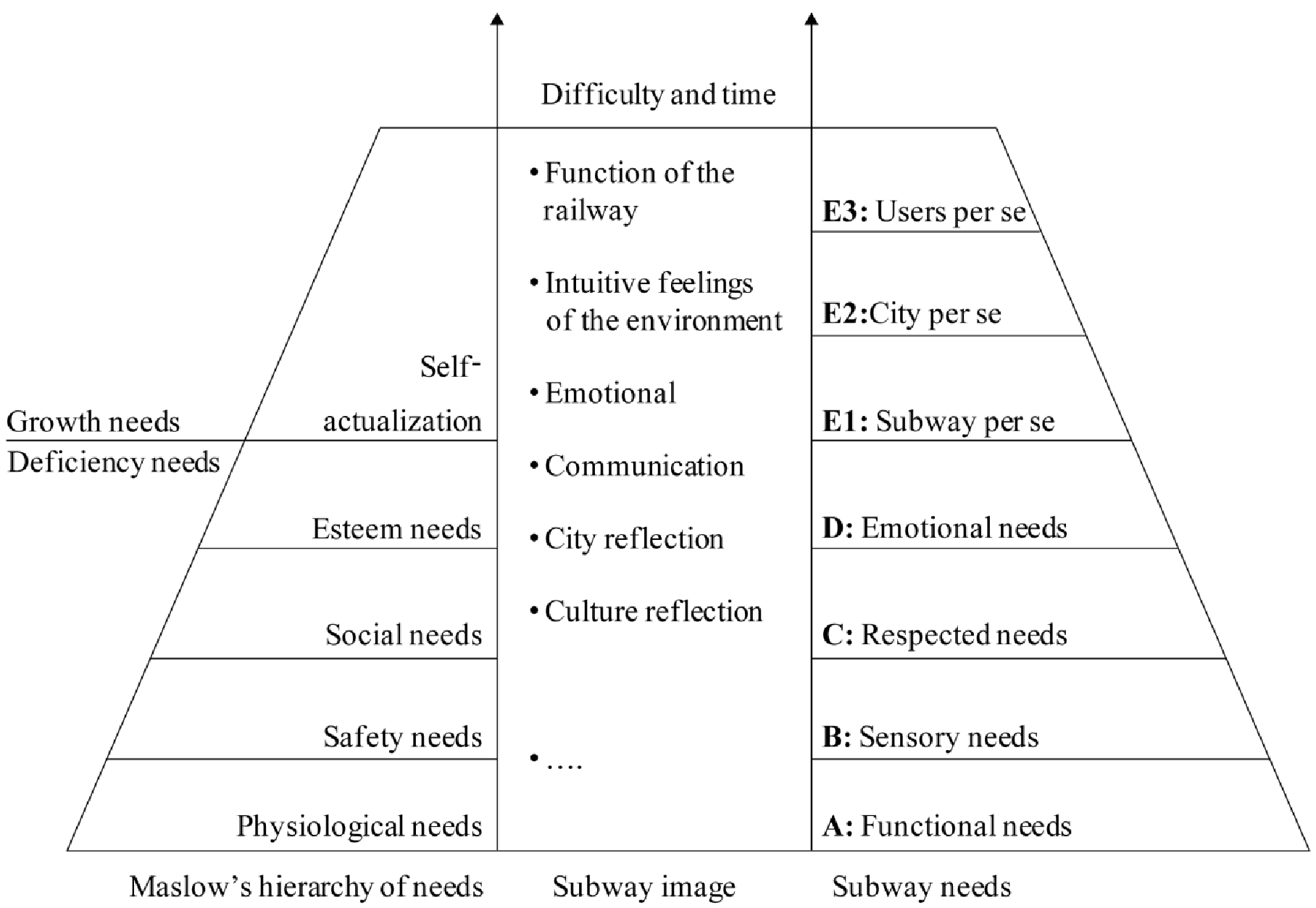
The core innovation lies in the Image-Need-Design Opportunity model. The authors suggest that a user's "Image" of a subway (e.g., "clean," "crowded," "artistic") is a direct reflection of whether certain underlying needs are met.
1. The Subway Needs Pyramid
Inspired by Maslow, the authors break down subway needs into five distinct levels:
- Function: Safety, punctuality, and accessibility.
- Sensory: Cleanliness, temperature, and crowding levels.
- Respect: Feeling "heard" and valued (e.g., humanity-focused features).
- Emotion: The atmosphere—whether the space feels "cold" or "alive."
- Identity: The highest level, where the subway reflects the city’s culture and the user's self-actualization.
2. The Data Mining "Black Box"
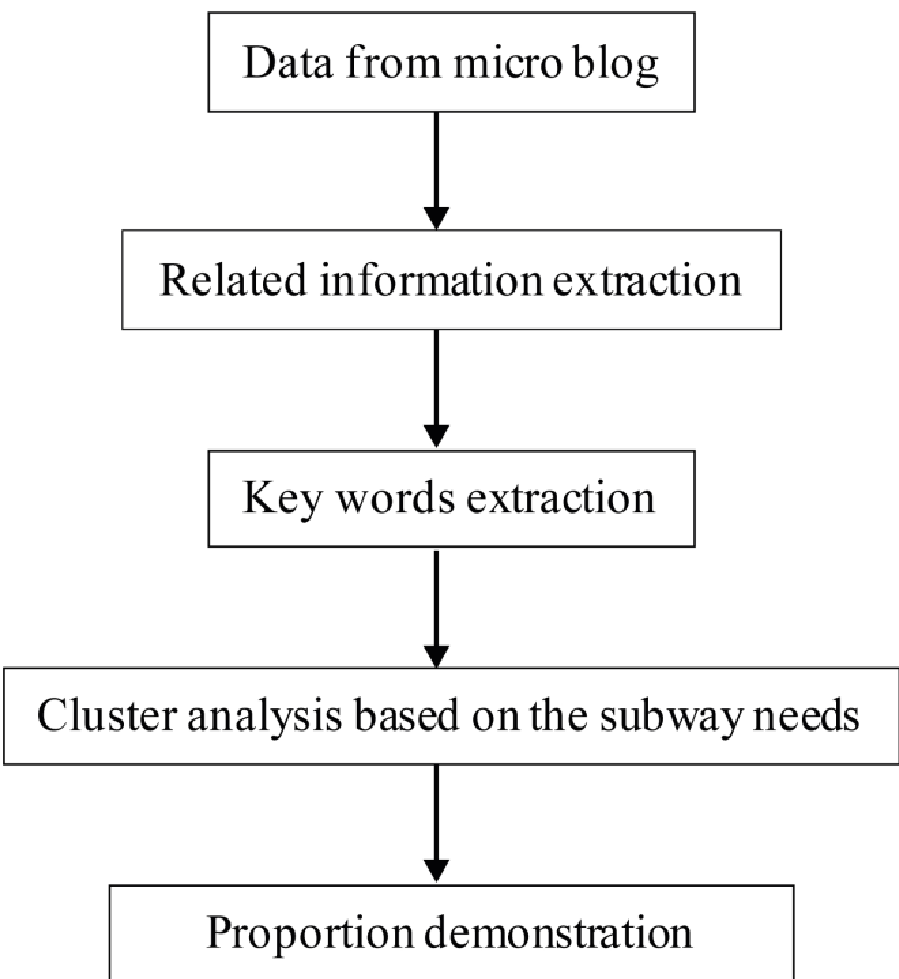
The methodology involves extracting keywords from platforms like MicroBlog. By identifying high-frequency words, designers can visualize the "proportion" of satisfaction:
- Gray areas: Needs currently fulfilled (positive sentiment).
- Black areas: Problems requiring immediate improvement (negative sentiment).
- White areas: Emerging signals or low-frequency mentions that represent future design opportunities.
Comparative Insights: Tokyo, Hong Kong, and Shenzhen
The research highlights how different cities sit at different stages of the pyramid:
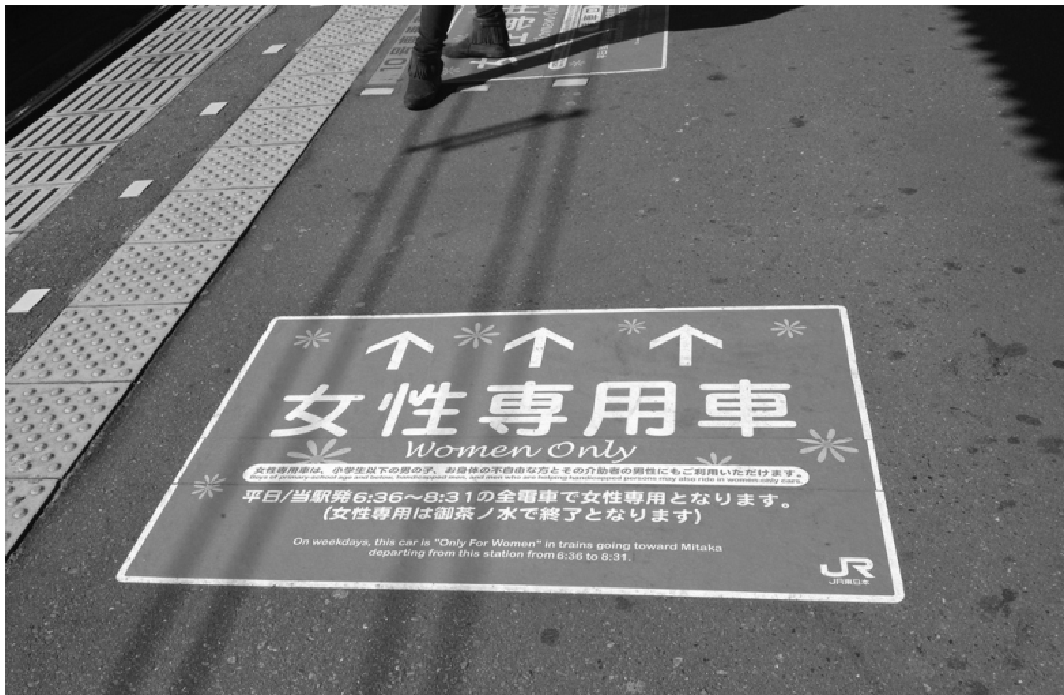
- Tokyo: High focus on Humanity and Detail (e.g., women-only compartments, silent cabins).
- Hong Kong: Known for Efficiency and Multi-culture (e.g., "MTR Shops," artistic station designs).
- Shenzhen: Characterized as Modern and Clean, but with emerging "chaos" due to rapid growth.
Future Outlook: A Cyclical, Dynamic Design System
The paper concludes that design is no longer a static "one-and-done" task. As basic functional needs are met, user expectations naturally migrate up the pyramid toward emotional and identity-based needs.
The INDO model creates a closed-loop system: Design -> User Interaction -> SNS Image Generation -> Data Mining -> New Design Opportunity.
Limitations & Critical Analysis
While the model is groundbreaking, the authors acknowledge several hurdles:
- Semantic Noise: Differentiating between a real complaint and an advertisement or "interference information" on SNS remains difficult.
- Platform Limits: Short character limits (like Twitter’s 140 characters) restrict the depth of sentiment.
- Cultural Nuance: The "Needs Pyramid" must be recalibrated for different cultural contexts, as what signifies "Respect" in Tokyo might differ in Shenzhen.
Final Takeaway: This work signals a paradigm shift. Designers are moving from being "creators of objects" to "analysts of social systems," where the most important design tool isn't a pencil, but an algorithm capable of listening to the city's digital heartbeat.